
How Long Does Chest Congestion Last After Quitting Smoking?
Understanding the Duration of Chest Congestion Post-Quitting Smoking
Introduction
Quitting smoking is a significant step towards improving one's health, but it often comes with challenges. Chest congestion is one of the common symptoms experienced by individuals who have recently quit smoking. In this article, we will explore how long chest congestion typically lasts after quitting smoking and provide insights into managing this symptom effectively.
What is Chest Congestion?
Chest congestion refers to the feeling of tightness or fullness in your chest, often accompanied by difficulty in breathing. It is usually a result of mucus buildup in the airways, which can be triggered by various factors, including smoking.
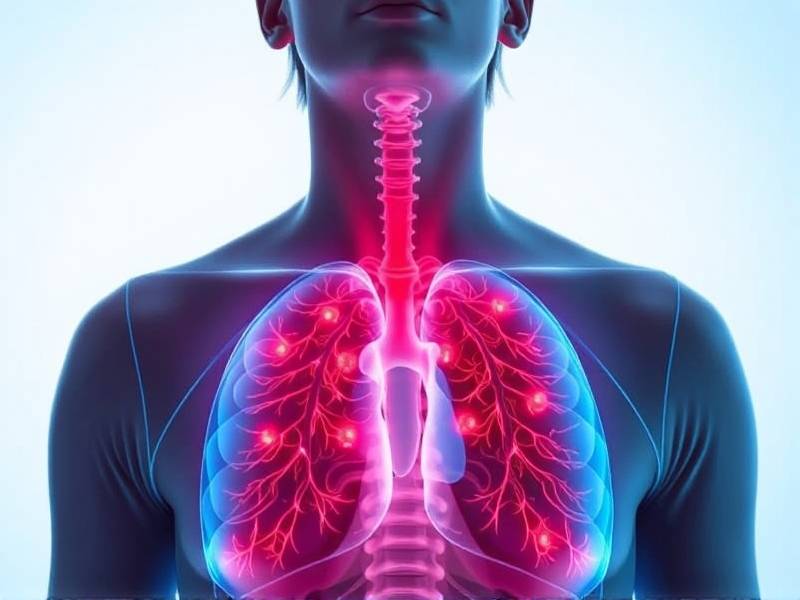
How Long Does Chest Congestion Last After Quitting Smoking?
The duration of chest congestion after quitting smoking can vary from person to person. Generally, it may last from a few days to a few weeks. However, some individuals might experience it for several months.
Early Weeks
In the first few weeks after quitting smoking, your body starts to heal and remove the accumulated tar and mucus from your lungs. During this period, you may notice an increase in coughing and phlegm production as your body tries to clear out these substances. Chest congestion during this phase is quite common.
Weeks 1-4
By the end of the first month post-quit, most people start experiencing relief from chest congestion. The lungs continue to clear out mucus, and you might notice an improvement in your breathing.

Weeks 5-8
During these weeks, most individuals experience significant improvement in their respiratory health. Chest congestion should become less frequent and intense as your body continues to heal.
Beyond 8 Weeks
For some people, chest congestion may persist beyond eight weeks. If it does not improve or if you experience severe symptoms like shortness of breath or persistent coughing, it is advisable to consult a healthcare professional.
Managing Chest Congestion Post-Quitting Smoking
Here are some tips to help manage chest congestion after quitting smoking:
- Stay Hydrated: Drinking plenty of fluids helps thin out mucus and makes it easier for your body to expel it.
- Humidify Your Environment: Using a humidifier can help reduce dryness in your airways and alleviate chest congestion.
- Ginger Tea: Ginger has natural anti-inflammatory properties that can help reduce inflammation and soothe your respiratory tract.
- Deep Breathing Exercises: Practice deep breathing exercises regularly to improve lung function and reduce chest congestion.
- Avoid Irritants: Stay away from smoke-filled environments or allergens that can exacerbate chest congestion.
Conclusion
Chest congestion is a common symptom experienced by individuals who have recently quit smoking. While it may take several weeks for chest congestion to resolve completely after quitting smoking, adopting healthy habits can help alleviate symptoms and promote lung healing. Remember that seeking medical advice when necessary is crucial for ensuring a smooth recovery journey post-quit.