
How to Heal Your Lungs After You Quit Smoking: Effective Tips and Strategies
How to Heal Your Lungs After You Quit Smoking: Effective Tips and Strategies
Introduction: Quitting smoking is a significant step towards a healthier life, but the journey doesn't end there. Your lungs have been subjected to years of smoke damage, and now it's time to give them a chance to heal. This article will provide you with effective tips and strategies to help your lungs recover after quitting smoking.
-
Stay Hydrated: Water is crucial for lung health. Drinking plenty of water helps flush out the toxins accumulated in your lungs due to smoking. Aim for at least 8 glasses of water daily.
-
Practice Deep Breathing Exercises: Deep breathing exercises can improve lung function and increase oxygen supply to your body. Try practices like pranayama or diaphragmatic breathing, which are known for their lung-healing benefits.
-
Get Regular Exercise: Physical activity enhances lung capacity and improves overall respiratory health. Engage in activities such as walking, jogging, cycling, or swimming regularly.
-
Avoid Secondhand Smoke: Secondhand smoke can delay the healing process of your lungs. Stay away from smoky environments and avoid being around smokers.
-
Consume Lung-Healthy Foods: A balanced diet rich in antioxidants can help protect your lungs from further damage and aid in their healing process. Include foods like leafy greens, berries, nuts, seeds, and garlic in your diet.
-
Use Steam Therapy: Steam therapy can help clear mucus from your airways and make it easier for your lungs to heal. Inhale steam by taking a hot shower or using a humidifier.
-
Seek Professional Help: If you're struggling with chronic coughs or shortness of breath after quitting smoking, consult a healthcare professional for personalized advice and treatment options.
-
Practice Mindfulness: Stress can worsen respiratory conditions, so it's essential to manage stress levels effectively after quitting smoking. Engage in mindfulness practices like meditation or yoga to keep stress at bay.
-
Monitor Your Progress: Keep track of any improvements in lung function or overall health as you continue on your journey towards better respiratory health.
-
Stay Motivated: Remember why you quit smoking in the first place – for better health and longevity! Staying motivated will keep you on track towards healing your lungs effectively.
Conclusion:
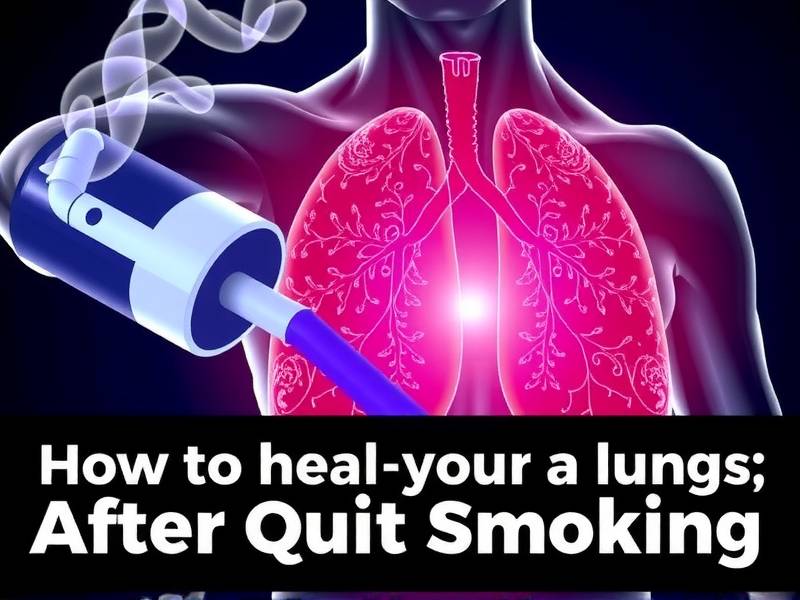
Healing your lungs after quitting smoking requires patience, dedication, and consistency. By following these effective tips and strategies, you can give yourself the best chance at restoring optimal lung function and improving overall well-being. Remember that progress may take time, but every step forward is a victory worth celebrating!