
How Does Your Body Heal When You Quit Smoking?
Introduction
Quitting smoking is a significant step towards a healthier life. As you make this decision, it's natural to wonder about the healing process your body will undergo. This article explores the various ways your body begins to mend itself after you quit smoking, providing insights into the transformative journey ahead.
Immediate Benefits
1. Improved Oxygen Supply
Within just 20 minutes of quitting, your blood pressure and heart rate start to drop. This is because your blood vessels begin to relax, allowing for improved oxygen flow throughout the body. Over time, this enhanced oxygen supply supports better overall health and vitality.
2. Reduced Risk of Heart Disease
The risk of heart disease begins to decrease within a few weeks after quitting smoking. Over time, your heart becomes stronger and more efficient at pumping blood, reducing the chances of heart attacks and strokes.
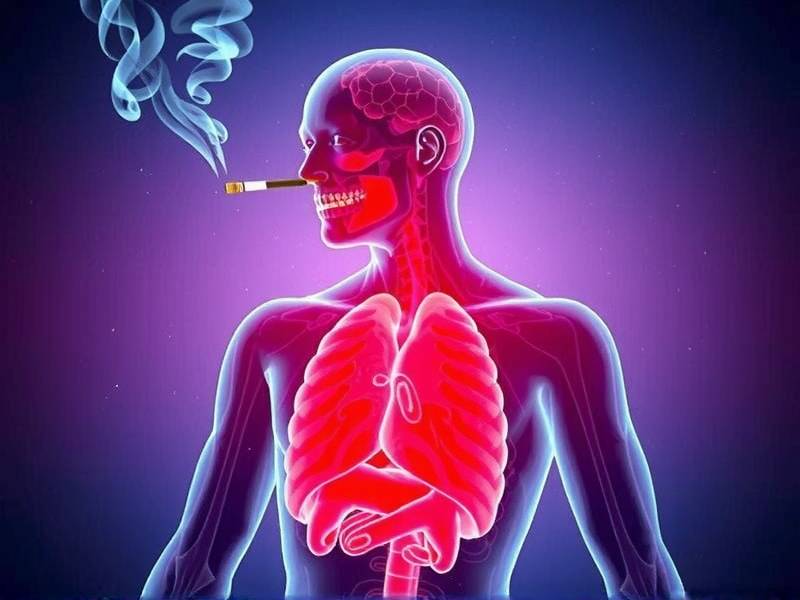
Short-Term Benefits
3. Lung Function Improvement
Within a few months of quitting smoking, your lung function starts to improve significantly. The cilia in your lungs, which help clear mucus and debris from airways, start to function better. This improvement can lead to better respiratory health and reduced symptoms of asthma or bronchitis.
4. Increased Energy Levels
Quitting smoking often results in increased energy levels as your body becomes more efficient at using oxygen and nutrients from food. You may notice an improvement in mood and overall well-being as well.
Long-Term Benefits
5. Reduced Risk of Cancer
The risk of developing various types of cancer decreases over time after quitting smoking. This includes lung cancer, throat cancer, bladder cancer, and more.
6. Improved Immune System Function
Your immune system becomes stronger as you quit smoking, making it more effective at fighting off infections and diseases.
The Healing Journey Continues
The healing process after quitting smoking is a continuous journey with varying timelines for different individuals. It's important to remember that progress may vary from person to person; some may notice immediate improvements while others may take longer.
Support Systems for Healing
1. Counseling and Therapy
Seeking professional help through counseling or therapy can provide emotional support during the quitting process.
2. Support Groups
Joining a support group can offer encouragement from others who have gone through similar experiences.
3. Nicotine Replacement Therapy (NRT)
Nicotine replacement therapy can help alleviate withdrawal symptoms by providing controlled doses of nicotine without the harmful effects of tobacco smoke.
Conclusion
Quitting smoking is an essential step towards better health for both the mind and body. By understanding how your body heals after quitting smoking, you can stay motivated throughout the journey towards a smoke-free life. Remember that each day without smoking brings you one step closer to improved health and longevity!