
Which Foods Can Really Help You Quit Smoking?
Introduction: The Battle Against Smoking
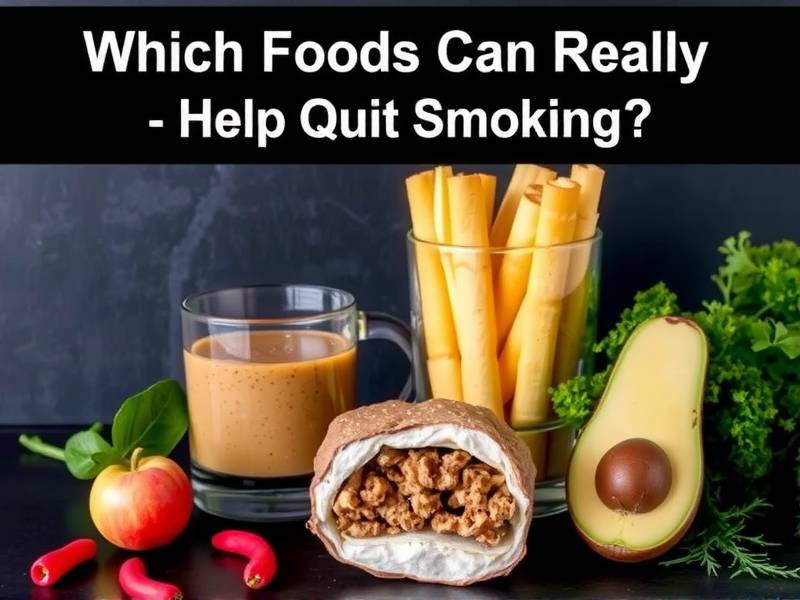
Quitting smoking is a challenging endeavor, but it's one that many people undertake for their health and well-being. While the journey to becoming smoke-free often involves willpower and support, did you know that certain foods can play a crucial role in aiding your quest to quit? In this article, we'll explore the top foods that may help you kick the habit for good.

1. Fruits High in Vitamin C
Vitamin C is known for its immune-boosting properties, but it also plays a role in reducing cravings and withdrawal symptoms. Citrus fruits like oranges, lemons, and grapefruits are rich in this essential nutrient. They can help improve your mood and reduce stress, both of which are common triggers for relapse.
2. Leafy Greens: Your Nutrient Powerhouse
Leafy greens such as spinach, kale, and collard greens are packed with vitamins and minerals that can support your body during withdrawal. They're also high in fiber, which can help keep your digestive system regular—a common side effect of quitting smoking.
3. Omega-3-Rich Foods: The Brain's Friend
Smokers often experience changes in their brain chemistry due to nicotine withdrawal. Foods rich in omega-3 fatty acids, such as salmon, walnuts, and flaxseeds, can help restore balance and improve cognitive function.
4. Dark Chocolate: Indulge Responsibly
We all know that chocolate is a treat for the soul, but dark chocolate has an added benefit—it contains antioxidants that may reduce stress levels. Choose dark chocolate with at least 70% cocoa to maximize these benefits while minimizing sugar intake.
5. Green Tea: A Brew of Calmness
Green tea is not only hydrating but also contains L-theanine, an amino acid that has been shown to reduce anxiety and improve mood. Sipping on a warm cup of green tea can be a soothing alternative to smoking during moments of temptation.
6. Almonds: The Crunchy Snack Solution
Almonds are not only crunchy; they're also packed with protein and healthy fats that can satisfy your hunger without the guilt of smoking-related cravings. Plus, they contain niacin (vitamin B3), which has been linked to reduced cravings.
Conclusion: A Smoker's Diet Strategy
Remember that while food can aid in your journey to quit smoking, it's not a magic bullet. Combining dietary changes with other strategies like nicotine replacement therapy or counseling can significantly increase your chances of success. By incorporating these foods into your diet, you're giving yourself an extra layer of support as you take on one of the most important challenges of your life—becoming smoke-free.
For more information on quitting smoking and maintaining a healthy lifestyle, be sure to check out resources from reputable health organizations dedicated to helping individuals break free from tobacco addiction.