
How Long Do Lungs Hurt After Quitting Smoking?
How Long Do Lungs Hurt After Quitting Smoking? Understanding the Journey to Better Health
Introduction: Quitting smoking is a significant step towards improving one's health, but it often comes with challenges. Many individuals worry about the duration of discomfort in their lungs after giving up the habit. This article aims to provide insights into how long lungs might hurt after quitting smoking and what you can do to alleviate the symptoms.
Understanding the Healing Process
-
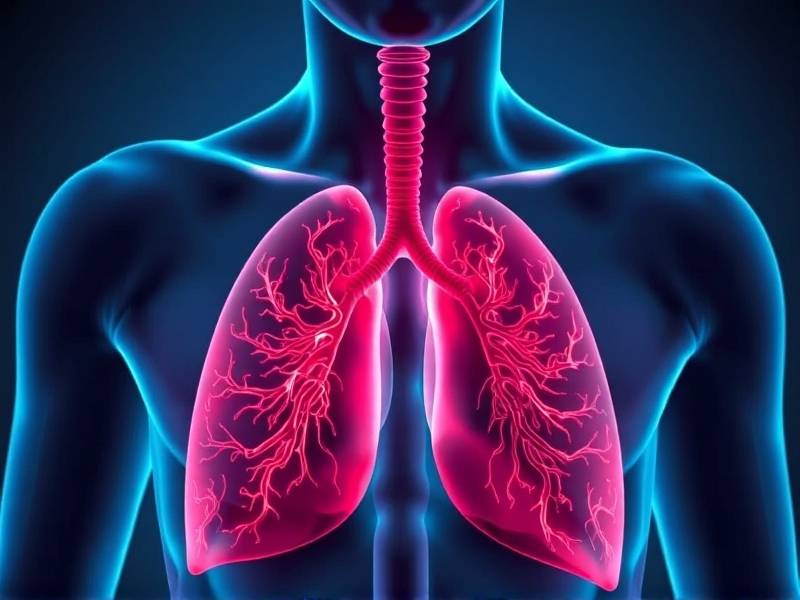
Immediate Changes After quitting smoking, your lungs start to heal almost immediately. Within 48 hours of your last cigarette, your sense of smell and taste begin to improve, and your body starts to clear out tar and other harmful substances.
-
Short-Term Discomfort In the first few weeks post-quit, you might experience some discomfort in your lungs. This is due to the inflammation caused by years of smoking. The symptoms can include coughing, wheezing, or a feeling of tightness in your chest.
-
Long-Term Healing The healing process can take several months or even years. Your lungs will continue to improve as they repair themselves from damage caused by smoking. It's important to be patient during this time and continue with a healthy lifestyle.
Symptoms and How Long They Last
-
Coughing Coughing is a common symptom that many ex-smokers experience after quitting. It can last for several weeks as your body clears out mucus from the airways. In some cases, it may take up to three months for coughing to subside.
-
Wheezing Wheezing is another symptom that may occur during the early stages of quitting smoking. It usually resolves within a few weeks but can persist in individuals with pre-existing respiratory conditions.
-
Chest Tightness Chest tightness can be unsettling but is generally short-lived, lasting from a few days to a couple of weeks after quitting.
-
Shortness of Breath Shortness of breath might occur when you engage in physical activity, especially if you're accustomed to smoking while exercising. This symptom should improve over time as your lung capacity increases.
How to Alleviate Discomfort
-
Stay Hydrated Drinking plenty of water helps thin mucus and makes it easier for your body to expel it.
-
Deep Breathing Exercises Practices such as deep breathing exercises can help relax your chest muscles and improve lung function.
-
Avoid Exposure to Irritants Stay away from secondhand smoke, dust, pollen, and other irritants that can exacerbate respiratory symptoms.
-
Seek Professional Help If you're experiencing severe discomfort or symptoms persist beyond several months, consult a healthcare professional for guidance.
Conclusion: The journey towards better health after quitting smoking involves patience and perseverance. While it's normal for lungs to hurt for a period after quitting, understanding the healing process and taking appropriate measures can help alleviate discomfort and promote recovery. Remember that every puff you don't take brings you one step closer to improved lung health and overall well-being.