
Do Vapes Really Help You Quit Smoking? A Comprehensive Guide to Effective Smoking Cessation Methods
Do Vapes Really Help You Quit Smoking? A Comprehensive Guide to Effective Smoking Cessation Methods
Introduction: The quest for a smoke-free life has led many smokers to explore alternative methods, including the use of vaporizers or vapes. But do vapes really help you quit smoking? This comprehensive guide will delve into the effectiveness of vapes as a smoking cessation tool, exploring various methods and providing insights to help you make an informed decision.
I. Understanding Vaping and Its Impact on Smoking Cessation
-
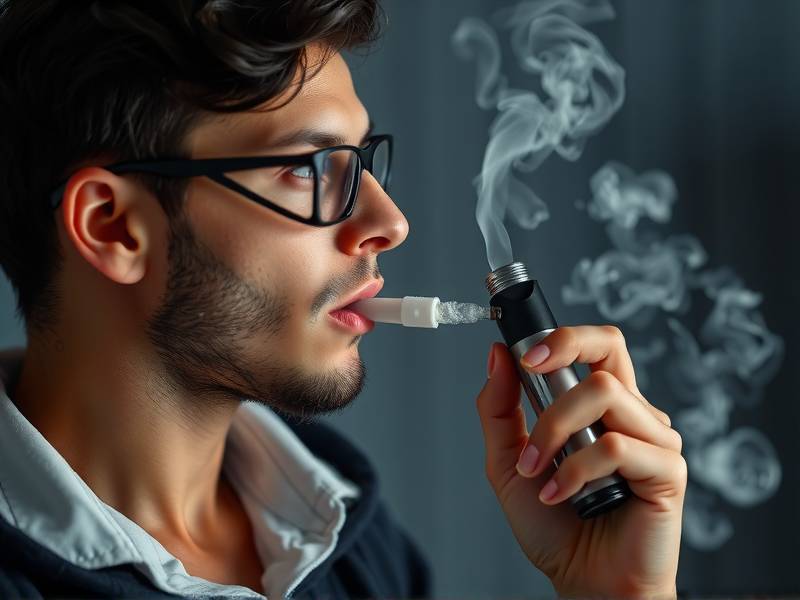
What is Vaping? Vaping refers to the inhalation and exhalation of vapor produced by an electronic cigarette or other vaporizing device. The device typically consists of a battery, a heating element, and a mouthpiece.
-
How Does Vaping Work? When you inhale from a vape, the heating element heats up the e-liquid, which then turns into vapor that you can inhale. This process provides users with nicotine and other chemicals found in traditional cigarettes.
-
The Impact of Vaping on Smoking Cessation While some individuals believe that vapes can help them quit smoking, others argue that it may actually worsen their addiction. Let's explore both perspectives:
A. Proponents of Vaping:
- Gradual Reduction in Nicotine Consumption: Many vapers claim that using a vape allows them to gradually reduce their nicotine intake until they are smoke-free.
- Simulated Experience: Some smokers find that vaping provides a similar sensation to smoking, making it easier for them to transition away from traditional cigarettes.
B. Critics of Vaping:
- Potential for Relapse: Some individuals may use vaping as a substitute for smoking rather than as an aid to quit.
- Unknown Long-term Effects: The long-term effects of using e-cigarettes are still under investigation, raising concerns about potential health risks.
II. Alternative Smoking Cessation Methods
-
Nicotine Replacement Therapy (NRT) NRT involves using nicotine-containing products such as gum, patches, lozenges, inhalers, or nasal sprays to help manage withdrawal symptoms.
-
Behavioral Therapies Behavioral therapies include counseling sessions and support groups aimed at helping individuals develop strategies to cope with cravings and avoid relapse.
-
Prescription Medications Prescription medications like Chantix (varenicline) and Zyban (bupropion) have been shown to increase the chances of quitting smoking by reducing cravings and withdrawal symptoms.
III. Choosing the Right Smoking Cessation Method
-
Assess Your Needs Consider your personal preferences, lifestyle factors, and previous attempts at quitting when choosing a smoking cessation method.
-
Seek Professional Advice Consult with healthcare providers or addiction specialists who can offer personalized recommendations based on your specific circumstances.
-
Be Patient and Persistent Quitting smoking is not an easy task; it requires time, effort, and perseverance. Don't get discouraged if you face setbacks along the way—keep trying different methods until you find what works best for you.
Conclusion: While there is ongoing debate about whether vapes can truly help you quit smoking, it's important to explore all available options when seeking a smoke-free life. By understanding the pros and cons of different methods and seeking professional advice when needed, you'll be better equipped to make an informed decision that suits your unique needs and preferences. Remember that quitting smoking is worth every effort—your health depends on it!