
How Long Does It Take to Heal After Quitting Smoking? The Truth You Need to Know
"How Long Does It Take to Heal After Quitting Smoking? The Truth You Need to Know"
Introduction: Quitting smoking is a significant step towards a healthier life, but it often raises questions about the healing process. Many smokers are curious about how long it takes for their bodies to recover after quitting. This article delves into the truth behind the healing timeline and provides valuable insights for those considering taking the leap towards a smoke-free lifestyle.
1. Immediate Benefits The moment you quit smoking, your body begins its healing journey. Within just 20 minutes, your heart rate and blood pressure start to drop, reducing the risk of heart disease and stroke. Additionally, carbon monoxide levels in your blood decrease significantly, improving oxygen flow to your organs.
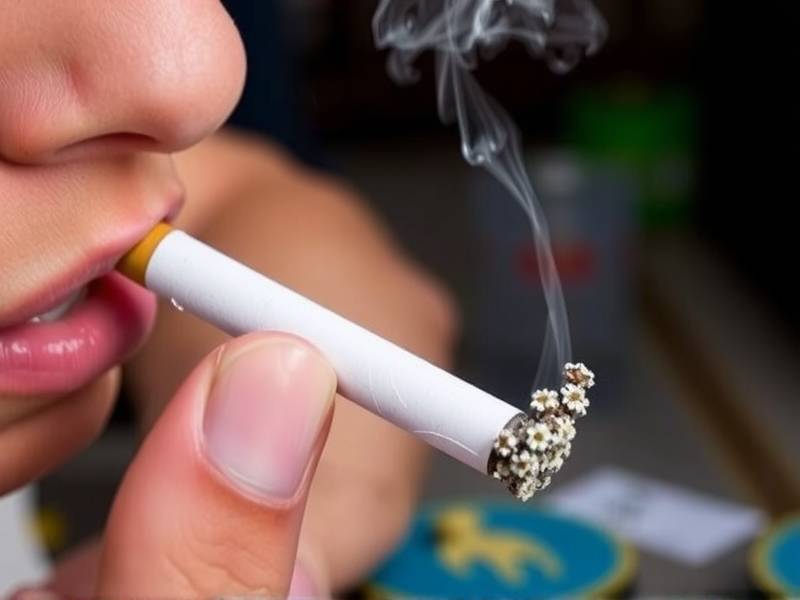
2. Short-Term Healing (1-3 Months) In the first few months after quitting, you may experience some withdrawal symptoms such as cravings, irritability, and anxiety. However, these symptoms usually diminish within a few weeks. During this period, your lungs begin to clear out mucus and debris accumulated from smoking, leading to improved breathing and increased lung capacity.
3. Medium-Term Healing (3-12 Months) Within three months of quitting, most of the initial withdrawal symptoms should have subsided. Your immune system starts to strengthen, reducing the risk of infections like colds and flu. Additionally, your heart disease risk decreases by 50%, and cataracts and lung cancer risk begin to decline.
4. Long-Term Healing (1 Year+)

After one year of quitting smoking:
- Your risk of heart disease is reduced by 70%.
- Your chances of suffering from stroke decrease significantly.
- Your lungs continue to improve, with a better sense of taste and smell.
- Your risk of developing various types of cancer continues to decrease.
5. The Importance of Support Systems
While the healing process varies from person to person, having a strong support system can make a significant difference. Seek help from friends, family members, or support groups dedicated to helping individuals quit smoking.
Conclusion:
Quitting smoking is a transformative decision that leads to numerous health benefits over time. While it may seem challenging at first, understanding the healing timeline can provide motivation and hope for those considering making this positive change in their lives. Remember that each individual's journey is unique; be patient with yourself as you navigate through this process towards a healthier future.