
Does Your Mouth Heal After You Quit Smoking?
The Healing Journey: How Your Mouth Recovers After Quitting Smoking
Introduction: Quitting smoking is a significant step towards improving your health, and one of the most noticeable changes you'll experience is the healing of your mouth. The question often arises, "Does your mouth heal after you quit smoking?" In this article, we will explore the process of mouth healing and how it contributes to your overall well-being.

Understanding the Impact of Smoking on Your Mouth
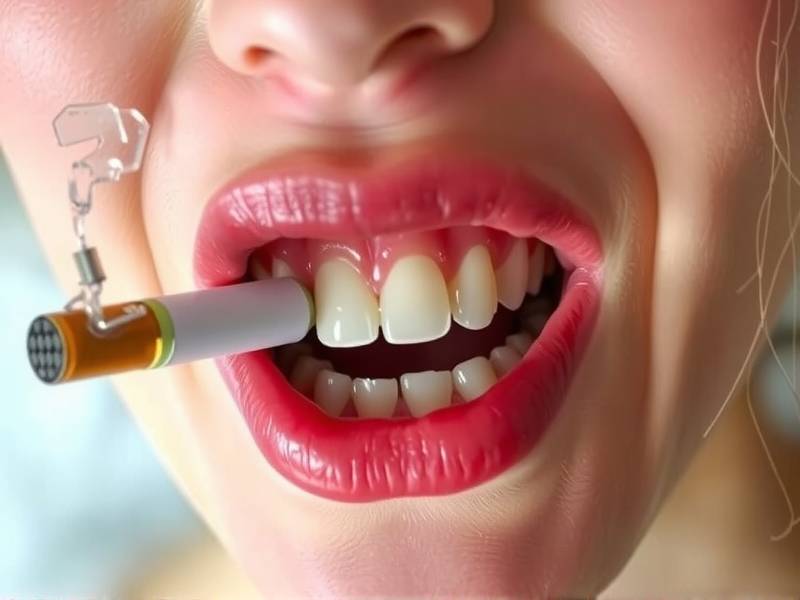
Smoking has a detrimental effect on oral health. It can lead to various issues, including stained teeth, bad breath, gum disease, and an increased risk of oral cancer. The chemicals in cigarettes damage the lining of your mouth, making it more susceptible to infections and slower to heal.
The Healing Process
When you quit smoking, your mouth begins its healing journey almost immediately. Here's what you can expect:
-
Improvement in Bad Breath: Within hours of quitting, your sense of smell and taste start to improve. This can make food taste better and reduce bad breath caused by smoking.
-
Gum Health: Gum disease is a common issue for smokers. After quitting, your gums have a chance to heal from the inflammation caused by smoking. This can lead to reduced bleeding when brushing and flossing.
-
Teeth Staining: The nicotine in cigarettes can cause teeth to become yellow or stained. As you quit smoking, your teeth may gradually start to regain their natural color.
-
Reduced Risk of Oral Cancer: Smoking is a leading cause of oral cancer. By quitting, you significantly reduce your risk of developing this serious condition.
Factors Affecting Healing Time
The time it takes for your mouth to heal after quitting smoking can vary from person to person. Several factors influence this process:
- Duration of Smoking: The longer you've smoked and the more cigarettes per day you've consumed, the longer it may take for your mouth to heal.
- Age and Overall Health: Younger individuals with good overall health tend to heal faster than older individuals or those with existing health issues.
- Dental Hygiene Practices: Maintaining good dental hygiene practices such as regular brushing, flossing, and dental check-ups can accelerate the healing process.
Tips for Accelerating Healing
To support the healing process in your mouth after quitting smoking:
- Regular Dental Check-ups: Visit your dentist regularly for professional cleanings and check-ups.
- Brush at Least Twice a Day: Brush with fluoride toothpaste at least twice a day.
- Floss Daily: Flossing helps remove food particles and plaque from between teeth.
- Avoid Harmful Substances: Avoid alcohol and other harmful substances that can hinder healing.
Conclusion:
The journey towards better oral health begins with quitting smoking. Your mouth has the potential to heal significantly after you stop smoking, leading to improved overall well-being and confidence in your smile. Embrace this transformation by adopting healthy habits and seeking professional dental care when needed.