
Why Do You Cough Up Mucus When You Quit Smoking? The Science Behind the Phenomenon
The Science Behind the Coughing Up Mucus: What Happens When You Quit Smoking?
Introduction: Quitting smoking is a significant step towards a healthier life, but it's not uncommon to experience unexpected symptoms, such as coughing up mucus. In this article, we'll explore the science behind this phenomenon and shed light on why it happens when you quit smoking.
Section 1: Understanding Mucus Production Subheading: What is Mucus and How is it Produced?

Mucus is a thick, sticky fluid that lines the respiratory tract. It plays a crucial role in protecting the lungs from harmful particles and pathogens. The body produces mucus to trap these irritants and help them move out of the respiratory system.
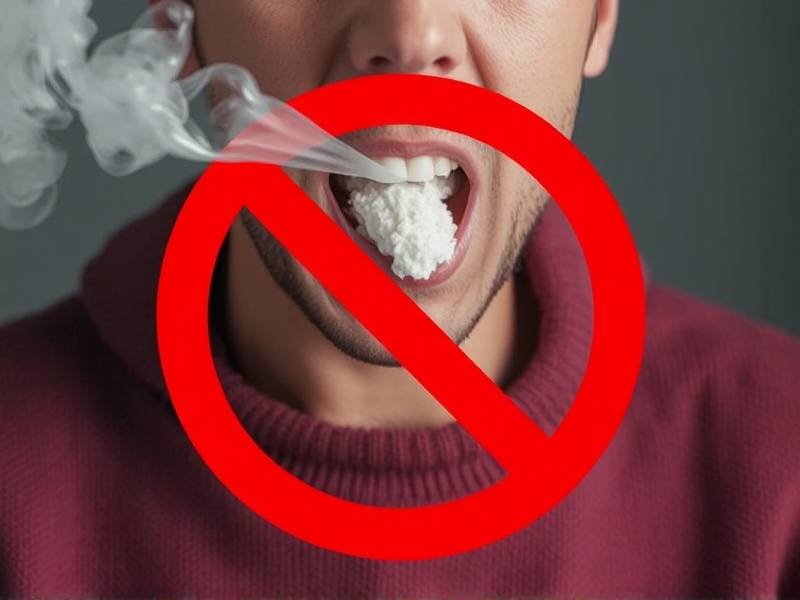
When you smoke, the harmful chemicals in tobacco smoke can irritate your airways and disrupt the normal production of mucus. This leads to an accumulation of mucus in your lungs, which can cause discomfort and coughing.
Section 2: The Body's Response to Quitting Smoking Subheading: How Does Quitting Smoking Affect Mucus Production?
When you quit smoking, your body starts healing itself from the damage caused by tobacco smoke. One of the first changes you may notice is an increase in mucus production.
This increase in mucus production is a sign that your body is trying to clear out the accumulated toxins from your respiratory system. As your lungs begin to recover, they produce more mucus to help remove these irritants.
Section 3: Coughing Up Mucus: A Temporary Side Effect Subheading: Is It Normal to Cough Up Mucus When You Quit Smoking?
Coughing up mucus when you quit smoking is a common side effect that typically resolves within a few weeks or months. This phenomenon can be attributed to several factors:
- Increased Ciliary Activity: The tiny hair-like structures called cilia that line your airways work to move mucus out of the lungs. When you quit smoking, these cilia start functioning better, leading to an increase in mucus production and coughing.
- Lung Cleaning Process: As mentioned earlier, quitting smoking triggers your body's natural healing process. During this time, your lungs are actively working to clear out toxins and debris accumulated over time.
- Reversal of Airway Inflammation: Smoking causes inflammation in your airways, which can lead to narrowing and increased resistance. Quitting smoking helps reduce inflammation, allowing for improved airflow and increased coughing as toxins are expelled.
Conclusion: Coughing up mucus when you quit smoking is a temporary side effect that signifies your body's ongoing healing process. By understanding the science behind this phenomenon, you can be better prepared for this common challenge on your journey towards a smoke-free life.
Remember that seeking support from healthcare professionals or joining support groups can provide additional guidance and motivation during this transitional period.
(Note: This article aims to provide general information on why coughing up mucus occurs when quitting smoking. For personalized advice or concerns related to health issues, consult with a healthcare professional.)