
How Long Until Your Lungs Clear Up After Quitting Smoking?
The Journey to Clearer Lungs: How Long After Quitting Smoking?
Introduction: Quitting smoking is a significant step towards improving one's health. However, many individuals who have quit smoking are curious about how long it takes for their lungs to clear up. This article delves into the topic, providing insights and information based on scientific research and expert opinions.
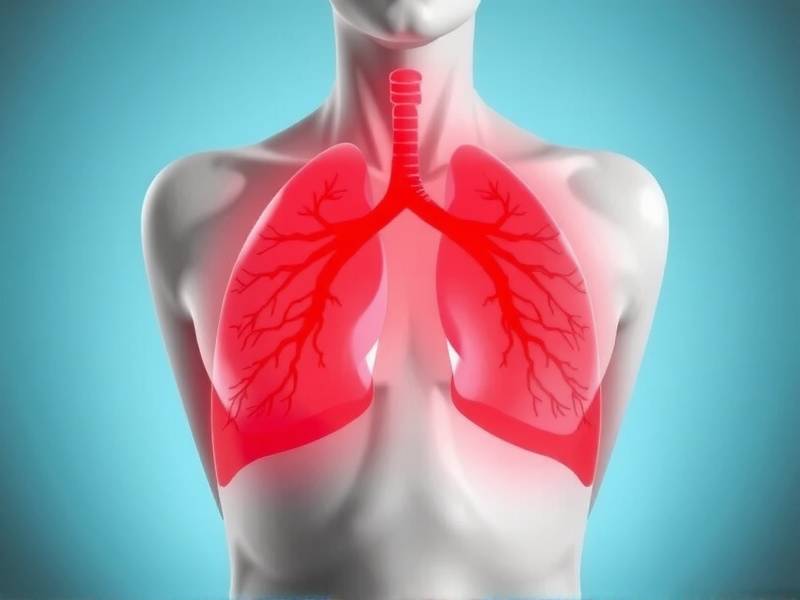
How Long Does it Take for Lungs to Clear Up After Quitting Smoking?
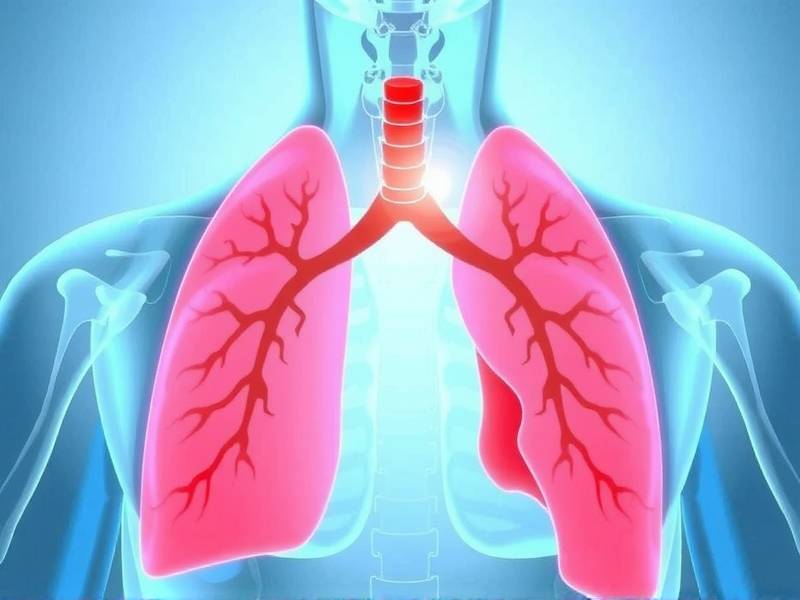
-
Immediate Benefits: When you quit smoking, your body starts repairing itself almost immediately. Within minutes of quitting, your blood pressure and pulse rate begin to drop, and carbon monoxide levels in your blood start to decrease. These changes are crucial as they reduce the risk of heart disease and stroke.
-
Short-Term Recovery: Within the first few weeks after quitting, you may experience an improvement in lung function. Your respiratory rate may slow down, and you might notice that you can breathe more comfortably while performing daily activities. Research indicates that within 2-12 weeks of quitting, lung function can improve by up to 10%.
-
Long-Term Recovery: The recovery process continues over several months and years after quitting smoking. The following milestones can be expected:
- After 1-9 months: The cilia in your lungs start to regrow, which helps remove mucus and bacteria from your airways.
- After 1-5 years: The risk of heart disease decreases by half compared to a smoker.
- After 5-15 years: The risk of stroke decreases significantly.
- After 10 years: The risk of lung cancer decreases by about half compared to a smoker.
- After 15 years: Your risk of coronary heart disease is similar to that of someone who has never smoked.
Factors Affecting Lung Recovery:
Several factors can influence how long it takes for your lungs to clear up after quitting smoking:
- Duration of Smoking: The longer you smoked, the longer it may take for your lungs to recover fully.
- Amount Smoked: The more cigarettes you smoked daily, the more significant the changes in lung function may be.
- Genetic Factors: Your genetic makeup can affect how quickly your body recovers from smoking damage.
Conclusion:
Quitting smoking is a transformative decision that leads to numerous health benefits over time. While the recovery process for lungs varies among individuals, it generally takes several months or even years for them to clear up completely after quitting smoking. Remember that every day without smoking brings you closer to healthier lungs and overall well-being.
References: [1] American Lung Association [2] Centers for Disease Control and Prevention (CDC) [3] National Institute on Drug Abuse (NIDA)