
How Do Your Lungs Heal After Quitting Smoking?
The Journey to Lung Recovery
Quitting smoking is a significant step towards improving your health. As you take this bold move, you might be curious about the healing process of your lungs. This article delves into how your lungs begin to heal after you quit smoking and the incredible transformation that unfolds over time.
Immediate Benefits
The moment you quit smoking, your body starts to respond positively. Within 20 minutes, your heart rate and blood pressure drop. Within 12 hours, carbon monoxide levels in your blood decrease, and within 48 hours, nerve endings start regenerating.
Short-Term Recovery
Within the first few weeks of quitting, you'll notice a significant improvement in lung function. Your breath will become easier as your lungs start to clear out the mucus and tar accumulated from smoking. You'll also experience an increase in lung capacity and a reduction in coughing and shortness of breath.

Long-Term Healing
Over the long term, the healing process continues as your lungs undergo remarkable changes:
Reduced Risk of Chronic Diseases
Quitting smoking significantly reduces your risk of developing chronic obstructive pulmonary disease (COPD), emphysema, and lung cancer. Over time, these risks decrease even further.
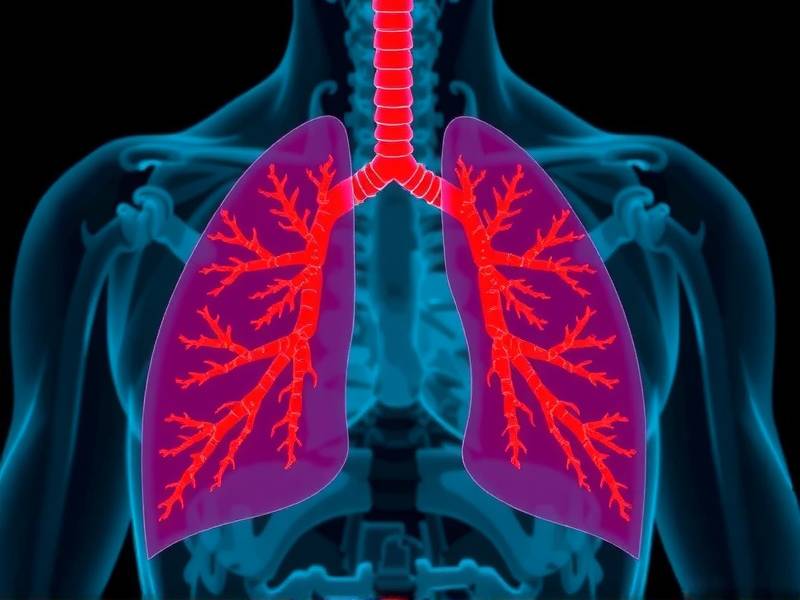
Improved Oxygen Supply
Your lungs become more efficient at absorbing oxygen from the air into your bloodstream. This improved oxygen supply enhances overall energy levels and physical performance.
Enhanced Immune System
Smoking weakens the immune system. Quitting smoking helps strengthen it, making it easier for your body to fight off infections and diseases.
Increased Cilia Function
Cilia are tiny hair-like structures in your airways that help remove mucus and trapped particles from the lungs. Smoking damages these cilia; however, they start to regenerate after quitting smoking, leading to better lung function.
The Power of Patience
Lung healing is a gradual process that requires patience. It's essential to understand that while improvements may be noticeable within weeks or months after quitting, complete recovery can take years or even decades.
Tips for a Successful Recovery
- Stay smoke-free: Avoid secondhand smoke exposure as well.
- Exercise regularly: Physical activity improves lung function.
- Maintain a healthy diet: A balanced diet supports overall health.
- Manage stress: Stress can trigger cravings; find healthy ways to cope.
- Seek support: Joining a support group or consulting with a healthcare professional can provide guidance and motivation.
Conclusion
Your lungs have an incredible ability to heal after quitting smoking. By taking this vital step towards better health, you're not only improving your quality of life but also setting an example for others who may be considering quitting themselves. Remember that every day without a cigarette brings you one step closer to healthier lungs and a longer life.