
When Will My Cough Go Away After Quitting Smoking?
The Journey to Recovery: When Will My Cough Disappear After Quitting Smoking?
Introduction: Quitting smoking is a significant step towards a healthier life. However, the process can be challenging, especially when it comes to dealing with withdrawal symptoms. One common concern among smokers is the persistent cough that lingers even after quitting. In this article, we will explore the factors contributing to this cough and provide insights into when it is likely to subside.
Understanding the Cough: The cough that follows quitting smoking is often a result of the body's healing process. When you smoke, the chemicals in tobacco irritate your lungs and airways, causing inflammation and mucus production. As you stop smoking, your body starts to heal, but it takes time for the inflammation to subside and for your lungs to return to normal function.
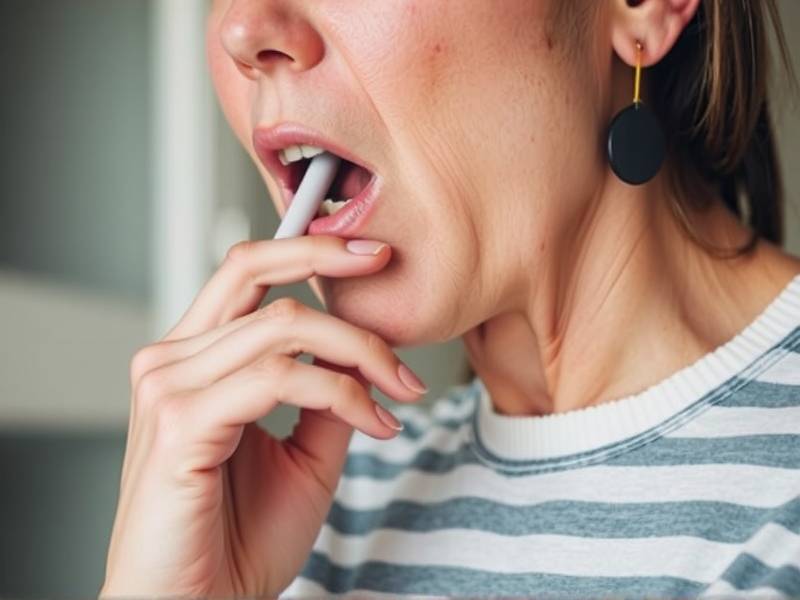
Factors Influencing Cough Duration: The duration of the cough after quitting smoking can vary from person to person. Several factors can influence how long it takes for your cough to disappear:

- Length of Smoking Habit: The longer you have smoked, the longer it may take for your lungs to recover from the damage caused by tobacco.
- Number of Cigarettes Per Day: Smokers who smoked more cigarettes per day may experience a more severe cough as their bodies try to heal.
- Presence of Other Health Conditions: Individuals with pre-existing respiratory conditions like asthma or bronchitis may find that their cough persists longer.
- Environmental Factors: Exposure to secondhand smoke or pollution can exacerbate symptoms.
When Can I Expect My Cough to Disappear? While there is no one-size-fits-all answer, here are some general guidelines:
- Weeks 1-2: You may experience an increase in mucus production and a hacking cough as your body begins to expel tar and toxins from your lungs.
- Weeks 3-4: Your cough should start to decrease in intensity as your lungs continue healing.
- Weeks 5-8: Most individuals find their cough subsiding significantly during this period.
- Weeks 9-12: By now, many people have noticed a significant improvement in their respiratory health and cough reduction.
It's important to note that these timelines are not set in stone. Recovery times can vary widely depending on individual factors.
Tips for Managing Cough Symptoms: While waiting for your cough to disappear, here are some tips that may help alleviate symptoms:
- Stay Hydrated: Drink plenty of fluids like water or herbal tea throughout the day.
- Use Saltwater Gargle: Mix half a teaspoon of salt with warm water and gargle several times a day.
- Steam Therapy: Inhale steam from a hot shower or boil water in a pot with essential oils like eucalyptus or peppermint.
- Avoid Irritants: Minimize exposure to allergens such as dust, pollen, and smoke.
Conclusion: Quitting smoking is an excellent decision for your health, but dealing with withdrawal symptoms like coughing can be frustrating. Understanding that these symptoms are part of the healing process can provide some comfort during this time. By following healthy habits and allowing time for recovery, most individuals find their cough subsiding within a few months after quitting smoking. Remember, seeking support from healthcare professionals can also help you navigate through this journey towards better health.