
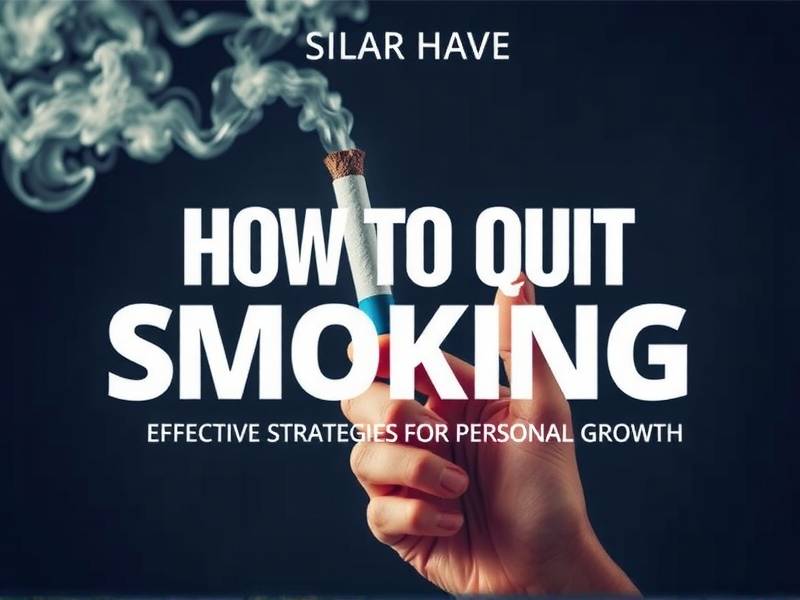
How to Quit Smoking: Effective Strategies for Personal Growth
Introduction: The Journey to a Healthier You
Quitting smoking is a significant step towards personal growth and overall well-being. It's not just about breaking a habit; it's about reclaiming your health, improving your quality of life, and setting a positive example for those around you. This article delves into some effective strategies that can help you on your journey to becoming smoke-free.
Understanding the Challenge
Before diving into the strategies, it's crucial to understand why quitting smoking is so challenging. Nicotine addiction is powerful, and the psychological and physical symptoms of withdrawal can be overwhelming. However, by acknowledging these challenges, you're already one step closer to overcoming them.
The Psychological Factor
The psychological aspects of smoking are often overlooked. Many smokers find comfort in the ritual of smoking, which can be associated with stress relief or social situations. Recognizing this can help you find alternative coping mechanisms.
Building Your Quit Plan
A well-thought-out plan is key to successful quitting. Here are some steps to consider:
1. Set a Clear Goal
Decide on a specific quit date and mark it on your calendar. Make it realistic and achievable.
2. Identify Your Triggers
Understand what situations or emotions make you want to smoke and plan how you'll deal with them.
3. Choose Your Quit Method
There are many methods available, from nicotine replacement therapy (NRT) to cold turkey. Research which method suits you best.
Strategies for Success
Now that you have a plan, let's explore some strategies that can help you stay on track:
1. Nicotine Replacement Therapy (NRT)
NRT products like gum, patches, lozenges, inhalers, and nasal sprays provide controlled doses of nicotine without the harmful effects of tobacco smoke.
2. Behavioral Changes
Adjust your daily routine to minimize triggers and reward yourself for milestones in your quit journey.
3. Support Systems
Seek support from friends, family, or support groups dedicated to helping people quit smoking.
4. Alternative Coping Mechanisms
Find healthy ways to cope with cravings or stress that don't involve smoking.
Utilizing Technology
In today's digital age, technology can be a powerful ally in your quest to quit smoking:
1. Apps and Trackers
Use apps designed specifically for quitting smoking to track your progress and provide motivation.
2. Online Communities
Join online forums or social media groups where members share their experiences and offer support.
The Role of Mindfulness
Mindfulness practices can help manage cravings by keeping you grounded in the present moment:
1. Meditation
Practice meditation regularly to reduce stress and increase self-awareness.
2. Breathing Exercises
Deep breathing exercises can help calm your mind during times of temptation.
Celebrate Your Successes
Every step towards quitting is a victory worth celebrating:

1. Acknowledge Progress
Recognize even small achievements along the way.
2. Reward Yourself
Treat yourself when you reach significant milestones in your journey.
Conclusion: Embrace Personal Growth
Quitting smoking is not just about breaking an addiction; it's about embracing personal growth and transformation. By adopting these strategies and maintaining a positive mindset, you'll be well on your way to a healthier life free from tobacco烟雾的束缚。 Remember, every day without smoking is a day closer to being smoke-free—congratulate yourself for every step forward!