
Does Acupuncture Really Work for Quitting Smoking?
Does Acupuncture Really Work for Quitting Smoking?
Introduction: Quitting smoking is a challenging endeavor for many, with numerous methods available to help in the journey. One of the alternative treatments gaining popularity is acupuncture. But does it really work? Let's delve into the world of acupuncture and its potential effectiveness in smoking cessation.
Understanding Acupuncture: Acupuncture is an ancient Chinese practice that involves inserting very thin needles into specific points on the body. These needles are believed to stimulate the body's natural healing processes and reduce pain and stress. In recent years, it has been explored as a complementary therapy for various health conditions, including quitting smoking.
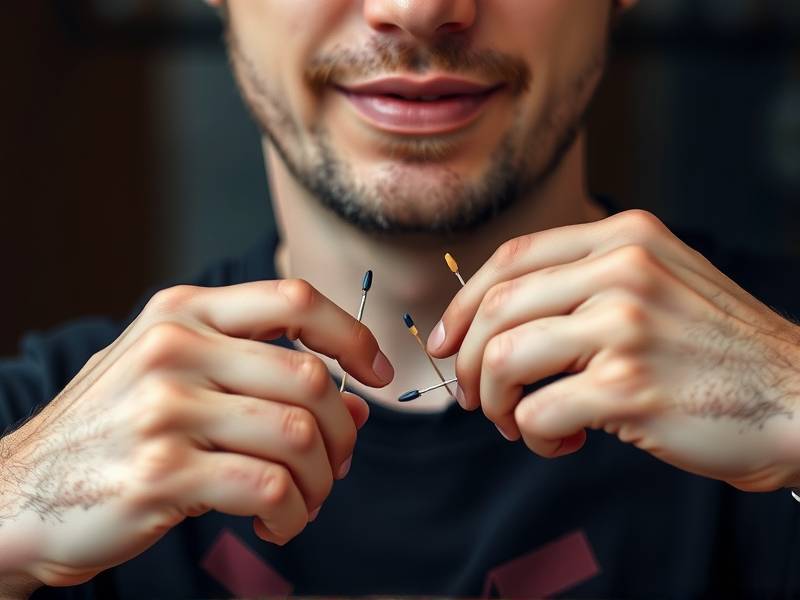
How Acupuncture Aids Smoking Cessation: The idea behind using acupuncture for smoking cessation is that it can help alleviate withdrawal symptoms and reduce cravings. Here's how it works:

-
Stress Reduction: Smoking often serves as a coping mechanism for stress and anxiety. Acupuncture may help lower stress levels by targeting specific points in the body that regulate emotions and relaxation.
-
Nerve Stimulation: The needles used in acupuncture stimulate nerves, which can disrupt the brain's nicotine receptors, reducing cravings.
-
Improved Sleep: Smoking can disrupt sleep patterns, leading to increased irritability and cravings. Acupuncture may help improve sleep quality, reducing these negative effects.
-
Pain Relief: Withdrawal symptoms from quitting smoking can include headaches, sore throat, and joint pain. Acupuncture may alleviate these symptoms by promoting endorphin release.
Scientific Evidence: While anecdotal evidence supports acupuncture's effectiveness in quitting smoking, scientific research provides a more concrete understanding of its potential benefits.
A study published in the Journal of Traditional Chinese Medicine found that acupuncture significantly increased the quit rate compared to placebo treatment among smokers who wanted to quit (1). Another study published in the American Journal of Public Health reported that individuals who received acupuncture were 28% more likely to remain smoke-free after one year (2).
Combining Acupuncture with Other Methods: It's important to note that while acupuncture can be an effective tool for quitting smoking, it is often most effective when combined with other strategies such as counseling or nicotine replacement therapy (NRT).
Conclusion: Acupuncture has shown promising results as a complementary therapy for quitting smoking. While individual experiences may vary, combining this ancient practice with other methods can increase your chances of success in your quest to quit smoking. If you're considering acupuncture as part of your journey towards a smoke-free life, consult with a licensed acupuncturist to determine if it might be right for you. (1) Journal of Traditional Chinese Medicine - https://www.jtcm.net/ (2) American Journal of Public Health - https://www.ajph.org/