
How Effective Is Laser Therapy in Helping People Quit Smoking?
Unveiling the Efficiency of Laser Therapy in Smoking Cessation
Introduction: Smoking remains a prevalent health concern worldwide, with numerous attempts to quit by individuals who struggle with the habit. Among the various methods available for smoking cessation, laser therapy has gained attention as a non-invasive alternative. This article delves into the effectiveness of laser therapy in helping people quit smoking, drawing from recent research and expert opinions.

Understanding Laser Therapy: Laser therapy, also known as cold laser therapy or low-level laser therapy (LLLT), involves using low-intensity lasers to stimulate specific points on the body. The process aims to alleviate withdrawal symptoms and reduce cravings associated with quitting smoking.
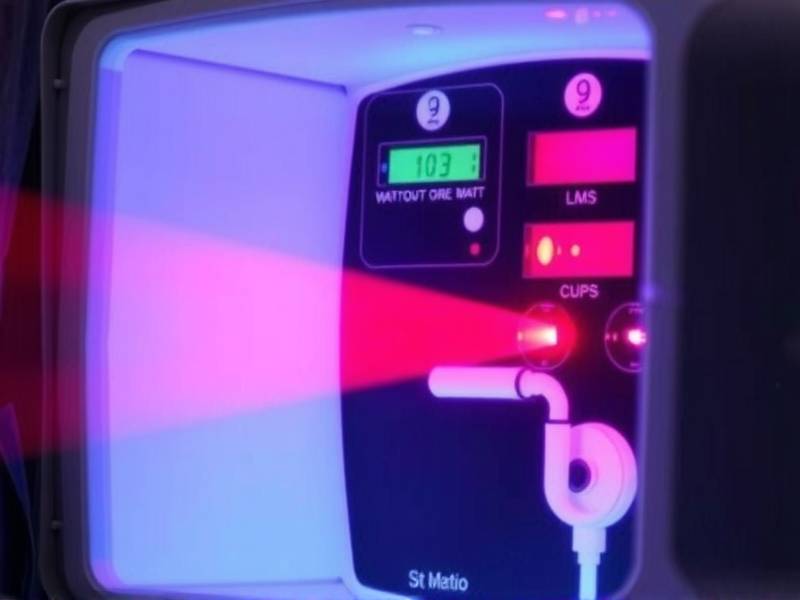
How Does Laser Therapy Work? During laser therapy sessions, a low-level laser is directed at specific acupuncture points on the body. These points are believed to be connected to nicotine addiction and stress reduction. The laser energy stimulates these points, promoting relaxation and potentially reducing withdrawal symptoms such as anxiety and irritability.
The Science Behind Laser Therapy: Several studies have explored the effectiveness of laser therapy in smoking cessation. One study published in the Journal of Alternative and Complementary Medicine found that participants who received laser therapy showed a higher success rate in quitting smoking compared to those who received sham treatment or no treatment at all.
Another study conducted at the University of Alberta indicated that participants who underwent laser therapy reported reduced cravings for nicotine and improved overall mood compared to those who received nicotine replacement therapy (NRT) alone.
The Advantages of Laser Therapy: Laser therapy offers several advantages over traditional methods such as NRT or behavioral interventions:
- Non-invasive: Unlike other smoking cessation methods, laser therapy does not involve needles or medications, making it suitable for individuals with needle phobia or those who prefer non-pharmacological approaches.
- Minimal Side Effects: Laser therapy is generally well-tolerated with minimal side effects compared to NRT or prescription medications.
- Customizable: The number of sessions required can be tailored based on individual needs, allowing flexibility in treatment duration.
- Cost-effective: While initial costs may be higher than some other methods, long-term savings can be realized by avoiding the expenses associated with tobacco products.
Challenges and Limitations: Despite its potential benefits, there are some challenges and limitations associated with laser therapy:
- Limited Evidence: While some studies have shown promising results, more research is needed to establish its long-term efficacy and compare it with other cessation methods.
- Cost: The cost of laser therapy sessions can be higher than alternative methods such as NRT or behavioral interventions.
- Accessibility: Availability of qualified practitioners may vary depending on geographic location.
Conclusion: Laser therapy appears to be a promising option for individuals seeking assistance in quitting smoking. Its non-invasive nature, minimal side effects, and potential benefits make it an attractive choice for those looking for alternative smoking cessation methods. However, further research is necessary to fully understand its long-term efficacy and compare it with other widely accepted approaches.
Remember that quitting smoking is a complex process that requires commitment and support from healthcare professionals. While laser therapy may provide additional support for some individuals, combining it with other strategies such as counseling or NRT may enhance chances of successful quitting.
For more information on smoking cessation options and resources available near you, visit reputable websites like smokefree.gov or talk to your healthcare provider today!