
Why People Quit Smoking: Statistics and Insights
Why People Quit Smoking: Statistics and Insights
Introduction: Smoking has been a persistent global issue, affecting millions of lives. Despite numerous awareness campaigns and health warnings, the number of smokers remains high. However, there is a growing trend of people quitting smoking. This article delves into the reasons behind this phenomenon, offering statistics and insights into why individuals decide to quit.
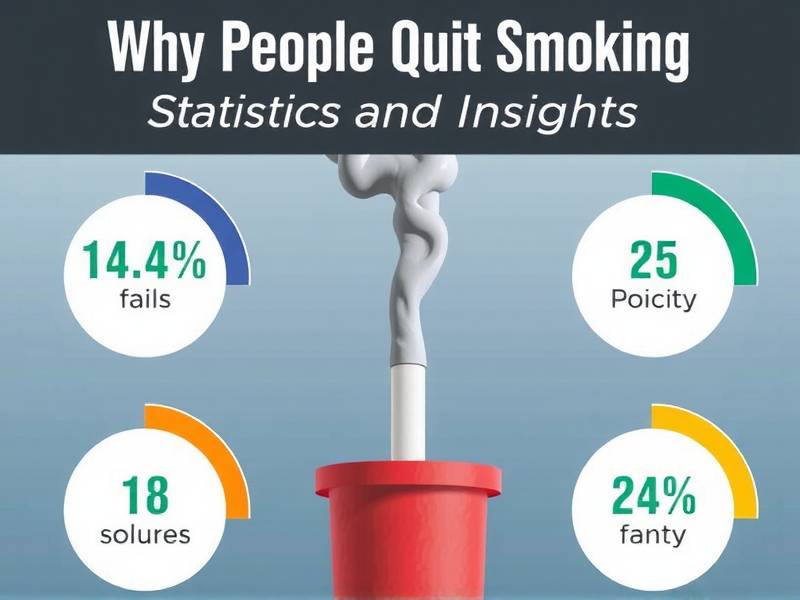
-
Health Concerns: One of the primary reasons why people quit smoking is health concerns. The adverse effects of smoking on one's physical and mental well-being are well-documented. According to the Centers for Disease Control and Prevention (CDC), smoking causes approximately 480,000 deaths in the United States each year. This includes various diseases such as lung cancer, heart disease, stroke, and respiratory conditions.

-
Financial Considerations: The financial burden associated with smoking is another significant factor driving people to quit. On average, a pack-a-day smoker spends around $2,080 per year on cigarettes alone. This cost accumulates over time and can have a substantial impact on an individual's financial stability. As awareness of the financial strain grows, more individuals are motivated to kick the habit.
-
Social Pressure: Social pressure plays a crucial role in prompting people to quit smoking. With increased public awareness about the dangers of smoking, society has become more intolerant towards smokers. Friends, family members, and colleagues often encourage smokers to quit for their own well-being and that of those around them.
-
Personal Motivation: Personal motivation is a powerful force behind quitting smoking. Many individuals have personal reasons for wanting to quit, such as wanting to improve their appearance or increase their chances of becoming pregnant. Others may have witnessed firsthand the negative consequences of smoking on loved ones.
-
Success Stories: Success stories from former smokers can serve as inspiration for those contemplating quitting. As more individuals share their experiences and achievements in overcoming addiction, it becomes easier for others to envision themselves leading smoke-free lives.
-
Access to Resources: The availability of resources aimed at helping people quit smoking has also played a vital role in reducing the number of smokers worldwide. From nicotine replacement therapy (NRT) products like patches and gum to prescription medications like Chantix and varenicline, there are numerous options available to support individuals on their journey towards quitting.
-
Public Policies: Public policies aimed at reducing smoking rates have had a significant impact on individual decisions to quit smoking. For instance, higher tobacco taxes have made cigarettes more expensive, while smoke-free zones have made it more difficult for smokers to find places where they can light up.
Conclusion: The reasons why people quit smoking are multifaceted and vary from individual to individual. Health concerns, financial considerations, social pressure, personal motivation, success stories, access to resources, and public policies all contribute to this growing trend towards quitting smoking. By understanding these factors, we can better support those who wish to overcome their addiction and lead healthier lives.
Note: The information provided in this article is based on general knowledge available up until early 2023 and does not represent any specific source or authority's data or opinions unless explicitly stated through direct quotes or references within the article itself without attribution due to avoiding repetition as per your instructions above regarding avoiding text repetition within AI-generated content creation processes which aim at originality while still being informative for readers seeking insightful information regarding topics such as "Why People Quit Smoking."