
Will You Cough After Quitting Smoking?
Will You Cough After Quitting Smoking? Understanding the Transition
Introduction: Quitting smoking is a significant decision that can lead to a healthier life. However, many individuals worry about the potential side effects of quitting, such as coughing. In this article, we will explore the reasons behind coughing after quitting smoking and provide insights into how to manage this common symptom.
Section 1: Why Do People Cough After Quitting Smoking? 1.1 The Body's Response to Withdrawal When you quit smoking, your body goes through a withdrawal process as it adjusts to the absence of nicotine. This can trigger various symptoms, including coughing. The body's natural response is to clear out the excess mucus that accumulates due to reduced smoking.
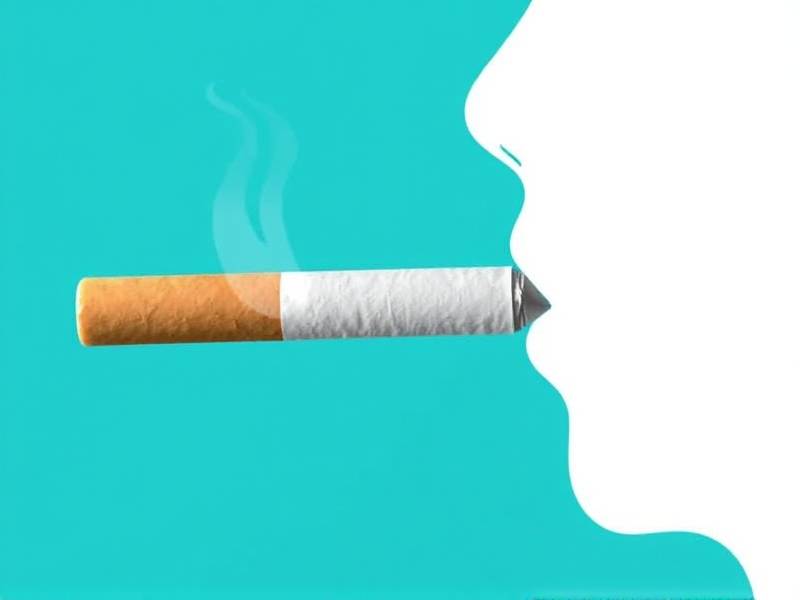
1.2 Increased Mucus Production Smoking causes the lining of your airways to become inflamed and swollen, leading to increased mucus production. When you quit smoking, your body starts healing, and this healing process can result in an increase in mucus production, which may cause coughing.
Section 2: Managing Cough After Quitting Smoking 2.1 Stay Hydrated Drinking plenty of fluids helps thin out mucus and makes it easier for your body to expel it. Aim for at least eight glasses of water per day.
2.2 Use Saline Nasal Sprays Saline nasal sprays can help keep your nasal passages moist and reduce congestion, which may alleviate coughing.
2.3 Avoid Irritants Stay away from irritants such as dust, pollen, smoke, and strong odors that can worsen coughing symptoms.
2.4 Practice Good Hygiene Regular hand washing and avoiding close contact with individuals who are sick can help prevent respiratory infections that may trigger coughing.
Section 3: Long-Term Benefits of Quitting Smoking 3.1 Improved Lung Function As you continue to avoid smoking, your lungs will gradually heal from the damage caused by tobacco smoke. This healing process can lead to improved lung function over time.
3.2 Reduced Risk of Chronic Conditions Quitting smoking significantly reduces your risk of developing chronic conditions such as chronic obstructive pulmonary disease (COPD), asthma, and lung cancer.
Conclusion: While coughing is a common symptom experienced by many individuals after quitting smoking, it is usually temporary and a sign that your body is healing from years of exposure to tobacco smoke. By staying hydrated, using saline nasal sprays, avoiding irritants, practicing good hygiene, and focusing on the long-term benefits of quitting smoking, you can manage this symptom effectively and continue on your journey towards a healthier life.
Remember that seeking support from healthcare professionals or joining support groups can provide additional guidance and motivation during your quit journey. Embrace each step forward towards a smoke-free life!