
What to Eat to Help You Quit Smoking: A Guide to Nutritious Meals That Support Your Quitting Journey
Introduction: Nourishing Your Way to a Smoke-Free Life
Embarking on a journey to quit smoking is a significant step towards improving your health and well-being. While the decision to quit is crucial, what you eat during this time can play an equally vital role. This guide explores the importance of nutrition in supporting your quitting journey and offers suggestions for nutritious meals that can help you on your path to becoming smoke-free.
The Role of Nutrition in Quitting Smoking
1. Boosting Immune System
Quitting smoking can weaken your immune system, making you more susceptible to illnesses. A balanced diet rich in vitamins and minerals can help strengthen your immune response.
2. Reducing Withdrawal Symptoms
Cravings and withdrawal symptoms are common challenges when trying to quit smoking. Eating certain foods can help alleviate these symptoms by providing essential nutrients and energy.
3. Supporting Lung Health
Smoking damages the lungs, so it's essential to consume foods that support lung function and repair. A diet rich in antioxidants can help reduce oxidative stress caused by smoking.
Nutritious Meals for Smokers
1. Fresh Fruits and Vegetables
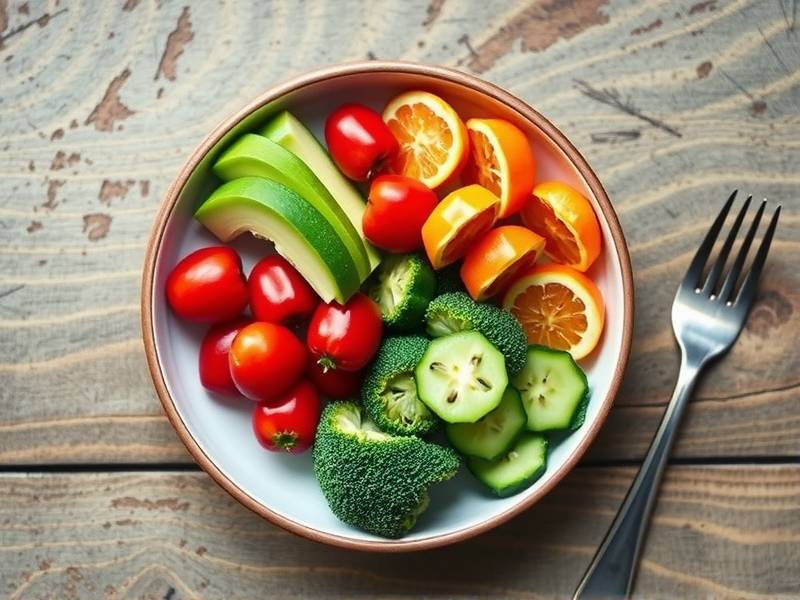
Fruits and vegetables are packed with essential vitamins, minerals, and antioxidants that support overall health. Aim for a variety of colors to ensure you're getting a wide range of nutrients.
Example: A vibrant salad with mixed greens, cherry tomatoes, cucumber, carrots, bell peppers, and a vinaigrette dressing.
2. Lean Proteins
Protein helps maintain muscle mass and provides energy while quitting smoking. Choose lean sources such as chicken breast, turkey, fish, tofu, or legumes.
Example: Grilled chicken breast with quinoa and steamed broccoli.
3. Whole Grains
Whole grains provide fiber, which helps keep you feeling full longer and supports digestive health. Incorporate whole grains like brown rice, whole wheat bread, or oatmeal into your meals.
Example: Oatmeal topped with fresh berries and nuts for breakfast.
4. Healthy Fats
Healthy fats are important for brain function and overall well-being. Include sources like avocados, nuts, seeds, olive oil, or fatty fish like salmon or mackerel in your diet.
Example: Avocado toast with poached eggs on top of whole grain bread.
5. Hydration
Staying hydrated is crucial when trying to quit smoking as it helps flush out toxins from the body. Drink plenty of water throughout the day or try infused water with slices of lemon or cucumber for added flavor.
Tips for Successful Meal Planning
- Plan Your Meals: Preparing meals ahead of time can help reduce temptation.
- Snack Wisely: Choose healthy snacks like nuts or fruit when cravings strike.
- Stay Consistent: Eat regular meals at consistent times each day.
- Limit Processed Foods: Avoid high-sugar or high-fat processed foods that may exacerbate withdrawal symptoms.
- Seek Professional Advice: Consult a nutritionist or healthcare provider if needed for personalized dietary recommendations.
Conclusion: Nourish Your Body as You Quit Smoking
Embarking on a smoke-free life requires determination and support from all aspects of your life – including nutrition! By incorporating nutritious meals into your daily routine during your quitting journey, you'll be taking an essential step towards better health and well-being. Remember that quitting smoking is not just about avoiding tobacco; it's about embracing a healthier lifestyle that includes proper nutrition for long-term success!