
Can Blood Tests Really Tell When You Quit Smoking?
Can Blood Tests Really Tell When You Quit Smoking?
Introduction: Quitting smoking is a significant decision that can lead to numerous health benefits. However, many smokers often wonder if there is a reliable way to determine when they have successfully quit smoking. One possible solution that has gained attention is the use of blood tests. In this article, we will explore whether blood tests can indeed tell when you have quit smoking.
Understanding the Role of Blood Tests in Smoking Cessation Blood tests are medical procedures that involve analyzing blood samples for various purposes, including detecting the presence of certain substances or measuring specific levels of chemicals in the body. When it comes to quitting smoking, blood tests can play a crucial role by providing insights into your body's nicotine levels and overall health.
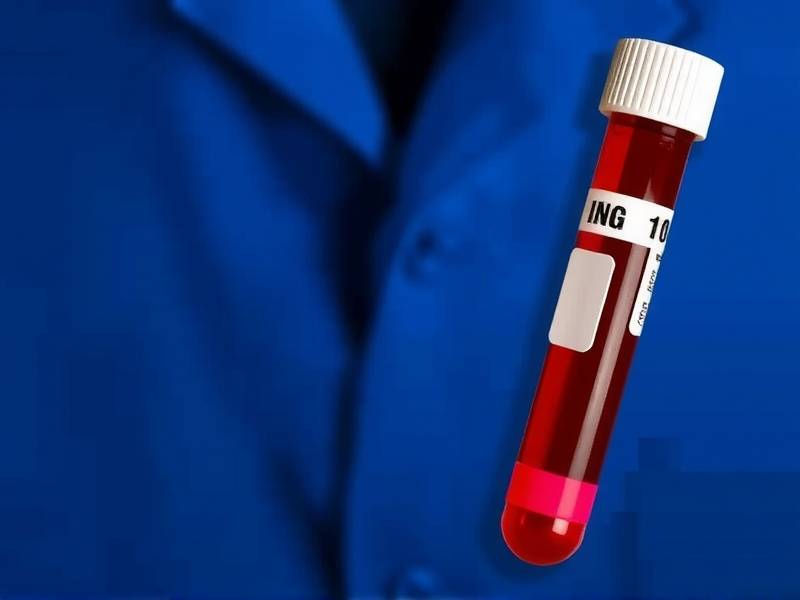
Detecting Nicotine Levels: The Key Indicator One of the primary reasons why blood tests are used to determine smoking cessation is their ability to detect nicotine levels in the bloodstream. Nicotine is a highly addictive substance found in tobacco products, and its presence in the body can be easily measured through a simple blood test.
How Blood Tests Work When you quit smoking, your body undergoes a series of changes as it attempts to rid itself of nicotine and other harmful chemicals. Blood tests can track these changes by measuring the levels of cotinine – a byproduct of nicotine metabolism – in your bloodstream.
The Timeframe for Detecting Cotinine Levels It's important to note that cotinine levels can remain detectable in the bloodstream for varying periods depending on several factors, including your individual metabolism and how much you smoked before quitting. Generally, cotinine levels start to decline rapidly within hours after quitting but may still be detectable for up to several weeks or even months.
Interpreting Blood Test Results Blood test results will indicate whether cotinine is present in your system, providing an indication of recent smoking activity. However, it's essential to consider other factors when interpreting these results:
- Cotinine Levels: Higher cotinine levels suggest recent smoking activity.
- Timeframe: Lower cotinine levels may indicate that you have been smoke-free for some time.
- Other Factors: Certain medications or exposure to secondhand smoke can also affect cotinine levels.
Conclusion: In conclusion, while blood tests can provide valuable information about nicotine and cotinine levels in your bloodstream, they should not be solely relied upon as evidence of successful smoking cessation. It's crucial to combine these results with self-reported abstinence from tobacco use and other supporting evidence such as behavioral changes and improved health outcomes.
Remember that quitting smoking is a journey with its own set of challenges and milestones. Celebrate every step along the way and consult with healthcare professionals for personalized support and guidance on your path towards a smoke-free life.