
How Fast Do Your Lungs Heal After Quitting Smoking? The Science Behind the Recovery Process
How Fast Do Your Lungs Heal After Quitting Smoking? The Science Behind the Recovery Process
Introduction: Quitting smoking is a significant step towards improving one's health, and many individuals are eager to know how quickly their lungs can recover. The healing process of the lungs after quitting smoking is a fascinating topic that combines scientific research with personal experiences. In this article, we will delve into the science behind lung recovery and provide you with valuable insights.
I. The Immediate Benefits of Quitting Smoking Upon quitting smoking, your body begins to undergo immediate changes. Within 20 minutes of your last cigarette, your heart rate and blood pressure start to drop, reducing the risk of heart disease. Additionally, carbon monoxide levels in your blood begin to decrease, allowing more oxygen to reach your organs.
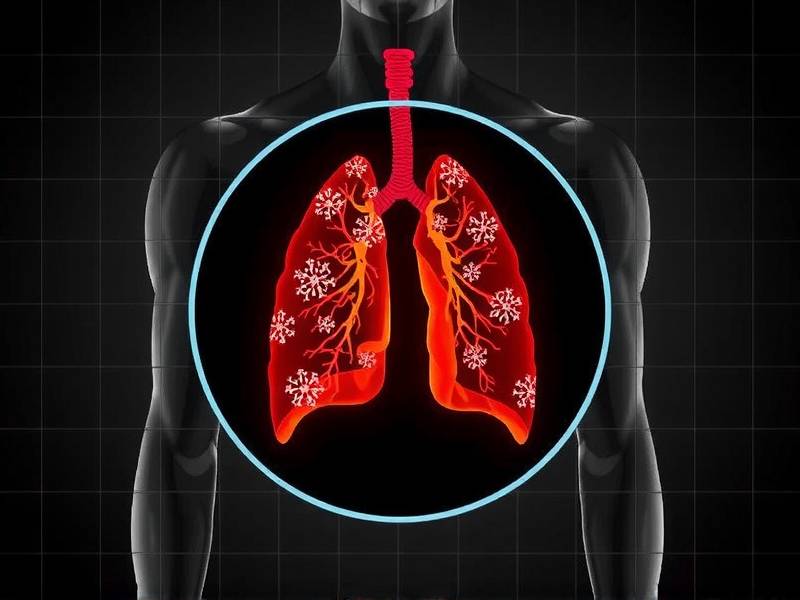
II. Short-term Lung Recovery In the first few weeks after quitting smoking, you may notice a significant improvement in lung function. Studies have shown that within 2-12 weeks, the cilia (tiny hair-like structures in the lungs) start to regain their ability to clear mucus and debris from the airways. This helps reduce coughing and shortness of breath.
III. Medium-term Lung Recovery Within 1-9 months after quitting smoking, your lungs continue to heal as inflammation decreases and lung capacity improves. This period is characterized by a gradual reduction in respiratory symptoms such as wheezing and chronic bronchitis.
IV. Long-term Lung Recovery The long-term benefits of quitting smoking on lung health are substantial. After 1-5 years without smoking, the risk of stroke decreases significantly compared to continuing smokers. Between 5-15 years post-quitting, the risk of developing chronic obstructive pulmonary disease (COPD) is reduced by half compared to smokers.
V. Factors Influencing Lung Recovery Several factors can influence how quickly your lungs heal after quitting smoking:
A. Duration of Smoking: Individuals who smoked for longer periods may experience a slower recovery process compared to those who smoked for shorter durations. B. Amount of Smoking: Higher daily cigarette consumption can lead to more severe lung damage and a longer recovery period. C. Genetic Factors: Some individuals may have a genetic predisposition that affects their ability to recover from smoking-related damage. D. Environmental Factors: Exposure to secondhand smoke or air pollution can exacerbate lung damage and delay recovery.
VI. Maintaining a Healthy Lifestyle To enhance lung recovery after quitting smoking, it is essential to maintain a healthy lifestyle:
A. Regular Exercise: Engaging in physical activities such as walking, jogging, or swimming can improve lung capacity and overall fitness. B. Healthy Diet: Consuming fruits, vegetables, whole grains, lean proteins, and low-fat dairy products can provide essential nutrients for lung repair. C. Avoiding Exposure: Minimize exposure to secondhand smoke and air pollution by staying away from smoky environments or using air purifiers at home.
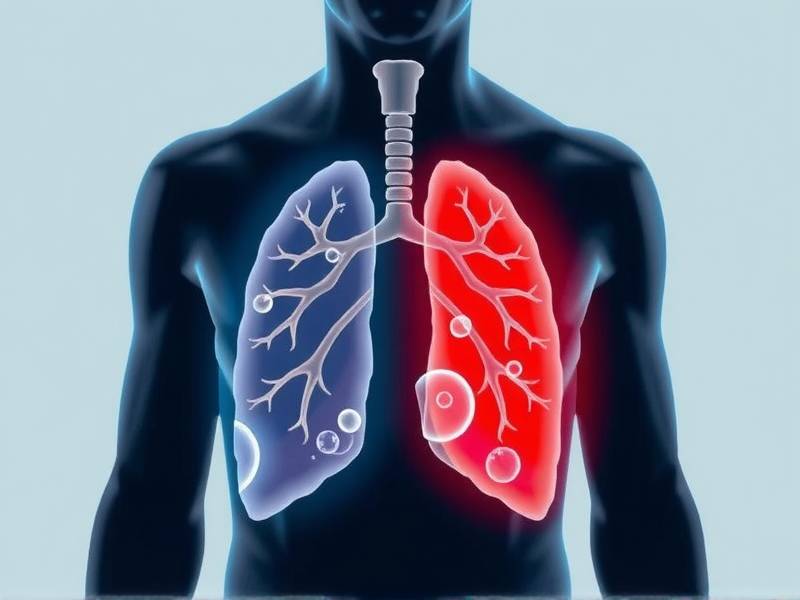
Conclusion: The journey towards healing your lungs after quitting smoking is both rewarding and challenging. By understanding the science behind lung recovery and maintaining a healthy lifestyle, you can accelerate this process and enjoy improved respiratory health over time. Remember that every puff you avoid contributes positively to your body's healing process – take pride in every step towards becoming smoke-free!