
How Long After Quitting Smoking Will Cravings Go Away? The Inside Scoop on Craving Reduction
The Journey to Freedom: How Long Until Cravings Fade After Quitting Smoking?
Subheading: Understanding the Timeline for Craving Reduction
Introduction: The decision to quit smoking is a monumental step towards a healthier life. Yet, the struggle with cravings can seem insurmountable. Many smokers wonder, "How long after quitting smoking will cravings go away?" This article delves into the science behind craving reduction, offering insights and hope for those on their quitting journey.
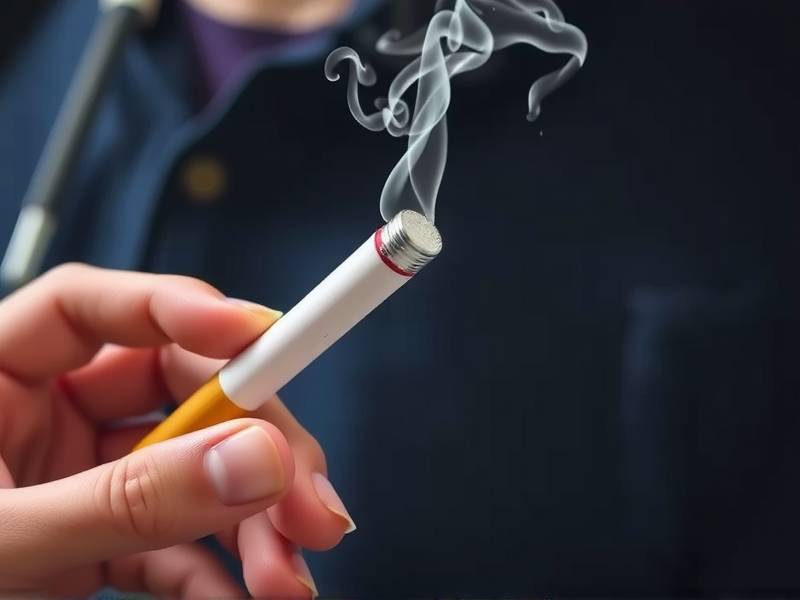
Cravings: What They Are and Why They Persist Cravings are intense desires for nicotine that occur when your body adjusts to the absence of this addictive substance. These cravings can be powerful and can last for varying durations. It's important to understand that they are a natural response to withdrawal, not a reflection of your strength or willpower.
The Timeline for Craving Reduction
-
Immediate Relief In the first few days after quitting, you may experience immediate relief from many symptoms of withdrawal, including irritability and restlessness. However, cravings are likely to peak within 48 hours after your last cigarette.
-
Peak Cravings Cravings typically reach their peak within the first three days post-quit. This is when most people find it most challenging to resist temptation.
-
Gradual Reduction Over Weeks After the initial peak, cravings tend to diminish gradually over the following weeks. Most people notice that their desire for nicotine lessens as time passes.
-
Month Two and Beyond By the second month post-quit, many individuals report that their cravings have significantly decreased in intensity and frequency.
-
Long-Term Reduction After several months of abstinence, cravings often become infrequent and manageable. Some ex-smokers even report occasional cravings years later but find them easier to overcome due to increased resilience.
Strategies for Managing Cravings
-
Identify Triggers Understanding what triggers your cravings (e.g., social settings, stress) can help you develop strategies to avoid or cope with these situations more effectively.
-
Substitute Activities Engage in activities that distract you from your cravings, such as taking a walk, practicing deep breathing exercises, or calling a supportive friend.
-
Seek Support Joining a support group or seeking professional help can provide valuable guidance and encouragement throughout your quit journey.
-
Consider Medication or Therapy Prescription medications like bupropion (Zyban) or varenicline (Chantix) can help reduce withdrawal symptoms and curb cravings in some individuals.
Conclusion: Quitting smoking is an individualized process with varying timelines for craving reduction. By understanding what causes cravings and implementing effective coping strategies, you can navigate this challenging phase more successfully on your path towards a smoke-free life.