
Does Your Chest Hurt When You Quit Smoking? The Truth About Smoking Cessation
Understanding the Connection Between Quitting Smoking and Chest Pain
Quitting smoking is a significant step towards improving your health. However, it's not uncommon to experience various withdrawal symptoms during the process. One of these symptoms is chest pain, which can be concerning for many smokers. In this article, we'll explore the reasons behind chest pain when you quit smoking and delve into the truth about smoking cessation.
Common Causes of Chest Pain During Smoking Cessation
1. Withdrawal Symptoms
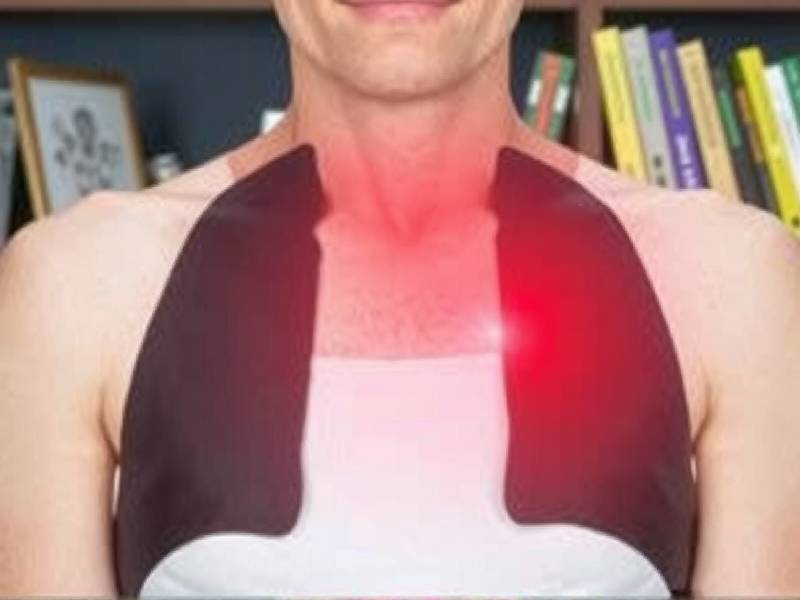
When you stop smoking, your body goes through a period of adjustment as it tries to rid itself of nicotine and other harmful substances. This can lead to various withdrawal symptoms, including chest pain. The pain may feel like a tightness or discomfort in your chest.
2. Anxiety and Stress
Stopping smoking can also cause increased anxiety and stress levels. These emotional factors can contribute to chest pain, as they may trigger muscle tension or spasms in the chest area.

3. Airway Constriction
Nicotine causes your airways to narrow, making breathing more difficult for smokers. When you quit smoking, this constriction can temporarily worsen before improving as your lungs heal.
4. Increased Heart Rate and Blood Pressure
Quitting smoking often leads to an increase in heart rate and blood pressure due to the body's response to nicotine withdrawal. This increase in cardiovascular activity can sometimes manifest as chest pain.
How Long Does Chest Pain Last After Quitting Smoking?
The duration of chest pain after quitting smoking varies from person to person. In most cases, the discomfort subsides within a few days or weeks as your body adjusts to its new nicotine-free state.
Managing Chest Pain During Smoking Cessation
To manage chest pain during smoking cessation, consider the following tips:
1. Practice Relaxation Techniques
Relaxation techniques such as deep breathing exercises, meditation, and yoga can help reduce anxiety and stress levels, which may contribute to chest pain.
2. Stay Hydrated
Drinking plenty of water helps flush out toxins from your body and keeps your airways moistened.
3. Engage in Physical Activity
Regular exercise improves lung function and reduces anxiety levels. However, avoid strenuous activities that may exacerbate chest pain.
4. Seek Professional Help if Needed
If you experience persistent or severe chest pain while quitting smoking, consult with a healthcare professional for guidance on managing your symptoms.
The Benefits of Quitting Smoking for Your Chest Health
By quitting smoking, you're taking a significant step towards improving your overall health, including the health of your lungs and heart:
- Reduced Risk of Heart Disease: Smokers are at a higher risk for heart disease due to narrowed blood vessels caused by nicotine.
- Improved Lung Function: Over time, quitting smoking allows your lungs to heal and improve their function.
- Lower Risk of Respiratory Diseases: Chronic bronchitis and emphysema are less likely when you quit smoking.
In conclusion, experiencing chest pain when you quit smoking is not uncommon but typically resolves within a short period as your body adjusts to its new nicotine-free state. By managing stress levels, staying hydrated, engaging in physical activity, and seeking professional help if needed, you can alleviate this discomfort during the process of quitting smoking. Remember that the long-term benefits of quitting far outweigh any temporary challenges you may face along the way!