
How Clean Are Your Lungs After Quitting Smoking?
The Transformation of Your Lungs Post Smoking Cessation: A Comprehensive Insight
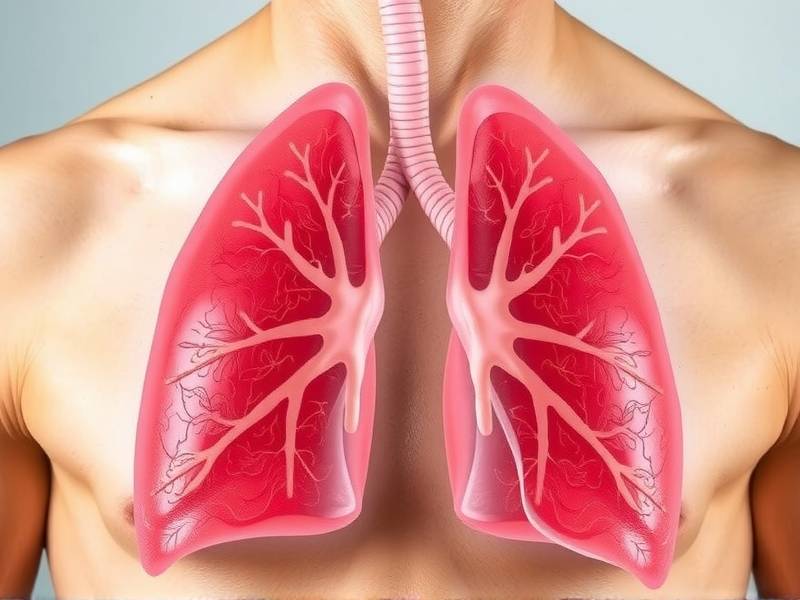
Introduction: The decision to quit smoking is a significant step towards a healthier life. While many people are aware of the benefits that quitting smoking brings to their overall health, few are fully aware of the remarkable transformation that occurs in their lungs after quitting. This article delves into how clean your lungs can become after you quit smoking, providing you with valuable insights into this critical aspect of your health journey.
I. Understanding Lung Function and Smoking
-
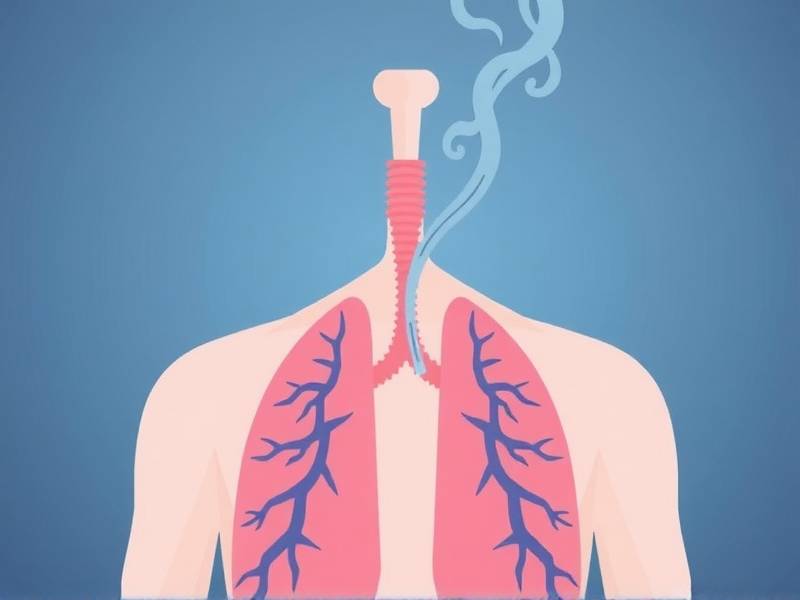
The Impact of Smoking on Lungs: Smoking introduces numerous harmful chemicals into the lungs, leading to inflammation, scarring, and damage to the alveoli (air sacs). These changes can impair lung function and lead to various respiratory conditions.
-
How Quitting Smoking Helps: Quitting smoking reduces the risk of developing lung diseases such as chronic obstructive pulmonary disease (COPD) and lung cancer. It also allows the lungs to start healing and regaining their normal function.
II. The Timeline of Lung Recovery Post Smoking Cessation
A. Immediate Benefits: Within hours of quitting smoking, carbon monoxide levels in your blood start to decrease, improving oxygen flow throughout your body.
B. Short-Term Improvements: After a few weeks, coughing and shortness of breath may decrease as your cilia (hair-like structures in your lungs) begin to regain their ability to clear mucus and debris.
C. Medium-Term Improvements: After several months, lung capacity may increase as inflammation decreases and alveolar damage starts to heal.
D. Long-Term Improvements: After several years without smoking, the risk of developing lung cancer decreases significantly compared to a smoker's risk. Additionally, lung function may continue improving over time.
III. Key Factors Influencing Lung Recovery
A. Timeframe for Healing: The time it takes for your lungs to recover varies among individuals depending on factors like age, overall health status, duration of smoking, and intensity of exposure.
B. Supportive Measures: Engaging in regular physical activity, maintaining a healthy diet, avoiding secondhand smoke exposure, and seeking medical advice can all contribute to faster lung recovery post-smoking cessation.
IV. Conclusion
Your lungs are an essential organ responsible for breathing and oxygenating your body's tissues. Quitting smoking is a crucial step towards restoring their health and functionality. By understanding the timeline and key factors influencing lung recovery post-smoking cessation, you can better appreciate the value of this life-changing decision.
Remember that every puff counts—quit now for cleaner lungs tomorrow!