
Can Quitting Smoking Really Make It Hard to Breathe? The Truth About the Short-Term Effects
Can Quitting Smoking Really Make It Hard to Breathe? The Truth About the Short-Term Effects
Introduction: The decision to quit smoking is a significant step towards a healthier lifestyle. However, many smokers are apprehensive about the short-term effects of quitting, particularly regarding breathing difficulties. This article aims to shed light on the truth about the short-term effects of quitting smoking on breathing.
Understanding the Concern: It's not uncommon for individuals contemplating quitting smoking to worry about experiencing breathing problems. After all, smoking is known to damage the respiratory system over time. But can quitting smoking really make it hard to breathe?

The Immediate Impact: When you quit smoking, your body starts healing immediately. In the first few days, you may notice an increase in mucus production as your lungs begin to clear out tar and other harmful substances accumulated over time. This excess mucus can lead to a feeling of tightness in your chest and make it seem like you're having trouble breathing.
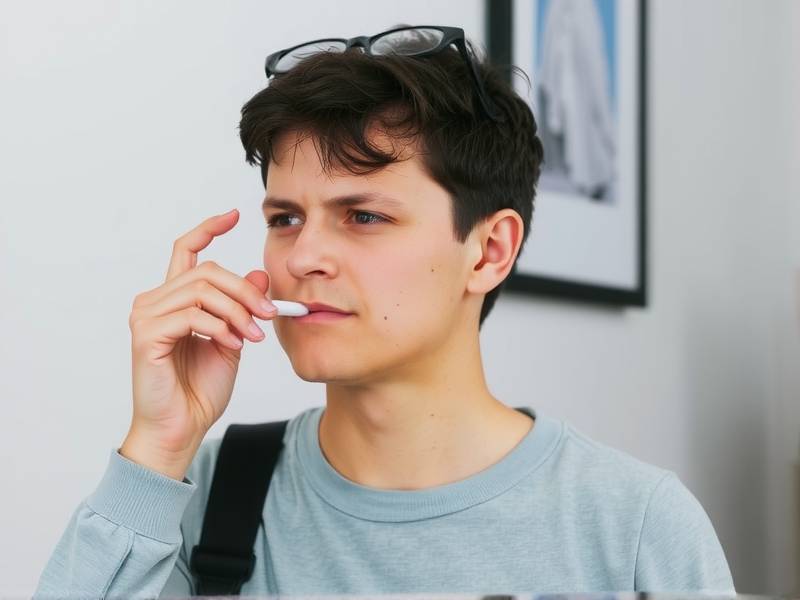
The Role of Nicotine Withdrawal: Nicotine withdrawal is another factor that can contribute to breathing difficulties when you quit smoking. Nicotine is a stimulant that affects your respiratory system by increasing heart rate and blood pressure. When you stop using nicotine, these effects reverse, which can lead to symptoms such as palpitations and shortness of breath.
The Good News: While these symptoms may be unsettling, they are typically short-lived and will improve significantly within a few weeks. As your body continues to heal from the damage caused by smoking, you'll notice improvements in lung function and breathing capacity.
Long-Term Benefits: It's important to remember that while quitting smoking may cause some temporary discomfort, the long-term benefits are substantial. Within just a few months after quitting, you'll likely experience improved lung capacity and reduced risk of respiratory infections. Over time, your lungs will continue to heal, leading to better overall health and quality of life.
Tips for Managing Short-Term Effects: To manage short-term breathing difficulties when quitting smoking:
- Stay hydrated – drinking plenty of water can help thin mucus.
- Use steam therapy – inhaling steam from hot water or a humidifier can help loosen mucus.
- Practice deep breathing exercises – these can help improve lung capacity.
- Seek support – joining a support group or talking with a healthcare professional can provide guidance and encouragement.
Conclusion: While it's true that quitting smoking may cause some temporary breathing difficulties due to nicotine withdrawal and lung healing, these symptoms are usually mild and short-lived. By understanding the process and seeking support when needed, you can navigate this phase successfully and enjoy the long-term benefits of living smoke-free. Remember, every puff counts – take that first step towards better health today!