
What Happens to Your Lungs 1 Year After Quitting Smoking?
The Remarkable Transformation of Your Lungs One Year Post-Quitting Smoking
Introduction: Quitting smoking is a monumental decision that brings about numerous health benefits. One of the most significant transformations occurs in the lungs, as they begin to heal and regenerate. This article delves into the remarkable changes that take place in your lungs one year after you quit smoking.
I. The Immediate Impact of Quitting Smoking
-
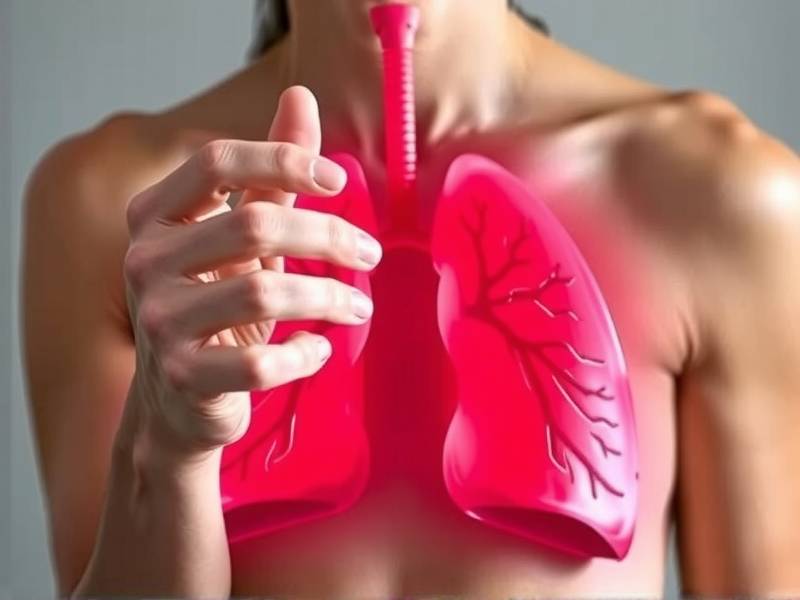
Improved Oxygen Levels Within hours of quitting smoking, your body starts to experience improved oxygen levels. This is due to the immediate reduction in carbon monoxide levels in your bloodstream, allowing your lungs to function more efficiently.
-
Reduced Inflammation The inflammation caused by smoking decreases as you quit. This leads to a reduction in mucus production and helps clear out trapped particles in your lungs.
II. The Progression of Lung Health After One Year
A. Enhanced Lung Capacity One year after quitting smoking, your lung capacity improves significantly. Studies have shown that ex-smokers can expect a 10% increase in lung capacity compared to when they were smoking.
B. Decreased Risk of Chronic Obstructive Pulmonary Disease (COPD) COPD is a progressive lung disease caused by long-term exposure to irritants like tobacco smoke. By quitting smoking, you reduce your risk of developing COPD by half within one year.
C. Lower Risk of Lung Cancer The risk of developing lung cancer decreases with each year you remain smoke-free. One year post-quitting, this risk is already lower than for current smokers.
III. Other Health Benefits
A. Improved Immune System Your immune system becomes stronger as you quit smoking, making it easier for your body to fight off infections and diseases.
B. Better Heart Health Quitting smoking improves blood circulation and reduces the risk of heart disease and stroke.
IV. Tips for Maintaining Lung Health Post-Quitting Smoking
- Regular Exercise: Engage in activities that help improve lung function, such as walking or cycling.
- Avoid Secondhand Smoke: Protect yourself from exposure to secondhand smoke.
- Stay Hydrated: Drink plenty of water to help flush out toxins from your body.
- Consider Professional Support: Seek help from healthcare professionals or support groups if needed.
Conclusion: One year after quitting smoking, your lungs undergo remarkable changes that contribute to better overall health and well-being. By embracing a smoke-free lifestyle, you can continue reaping these benefits while reducing the risk of serious health issues like COPD and lung cancer.
Remember that every day without a cigarette brings you one step closer to a healthier life – both for yourself and those around you who care about you!