
Do You Experience Shortness of Breath When You Quit Smoking?
Overcoming Shortness of Breath: A Guide for Smokers Quitting the Habit
Understanding Shortness of Breath After Quitting Smoking
When you decide to quit smoking, one of the common physical sensations you might experience is shortness of breath. This can be quite unsettling, but it's a sign that your body is beginning to heal and improve its oxygen-carrying capacity. Let's delve into what causes this symptom and how you can manage it effectively.
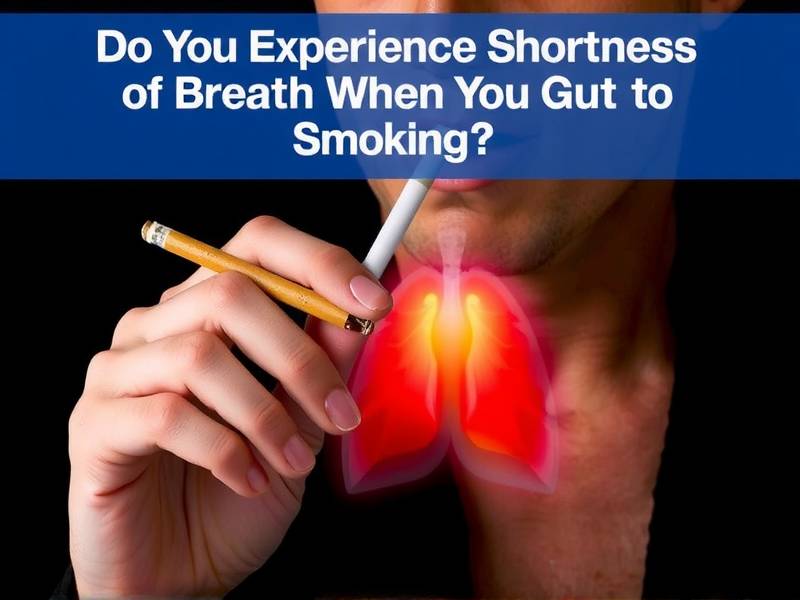
What Causes Shortness of Breath After Quitting Smoking?
1. Improved Oxygen Levels As your body adjusts to not having nicotine, it starts to use oxygen more efficiently. This can lead to a temporary sensation of breathlessness as your lungs work harder to process the increased oxygen flow.
2. Lung Clean-Up Quitting smoking triggers your lungs to start cleaning out the tar and mucus that have accumulated over years of smoking. This can cause coughing and a temporary decrease in lung function, making breathing feel more difficult.
3. Stress and Anxiety The act of quitting smoking can also bring on stress and anxiety, which can affect your breathing patterns. It's important to recognize these emotions and find healthy ways to cope.
4. Physical Activity Increased physical activity after quitting smoking is encouraged, but it may initially cause shortness of breath due to the body's increased demand for oxygen.
Managing Shortness of Breath
1. Gradual Increase in Activity If you're feeling short of breath during exercise or daily activities, start with light activities and gradually increase the intensity as your body adapts.

2. Breathing Exercises Practicing deep breathing exercises can help improve lung capacity and reduce shortness of breath. Techniques like diaphragmatic breathing are particularly beneficial.
3. Hydration Drinking plenty of water helps keep mucus thin and easier to expel from the lungs, which can alleviate some symptoms.
4. Rest When Needed If you're feeling particularly breathless, don't hesitate to rest. Give your body time to recover and adjust.
5. Seek Professional Advice If shortness of breath persists or worsens, it's important to consult with a healthcare professional who can provide personalized advice or refer you for further evaluation.
Support Systems Are Key
Quitting smoking is a challenging journey, but having a support system in place can make it easier. Consider joining a support group or seeking help from friends, family, or a counselor who understands what you're going through.
Final Thoughts
Remember that shortness of breath after quitting smoking is often a temporary side effect that signifies your body is on the path to healing. By taking proactive steps and seeking support when needed, you can navigate this phase successfully and enjoy the many health benefits that come with being smoke-free.
For more information on quitting smoking and managing related health issues, resources like National Cancer Institute provide valuable insights into how best to overcome these challenges. Stay strong; each step towards quitting brings you closer to better health!