
How Long Does It Take for Lung Function to Improve After Quitting Smoking?
The Journey to Health: How Long Until Your Lung Function Improves Post-Quitting Smoking?
Introduction: The decision to quit smoking is a monumental step towards a healthier life. One of the most pressing questions for many smokers is, "How long does it take for lung function to improve after quitting smoking?" Understanding this timeline can provide motivation and hope for those embarking on this transformative journey.
Understanding Lung Function and Smoking Before diving into the timeline, it's essential to understand the impact of smoking on lung function. Smoking introduces harmful chemicals into the lungs, leading to inflammation, damage to lung tissue, and a reduced ability to oxygenate the blood effectively.
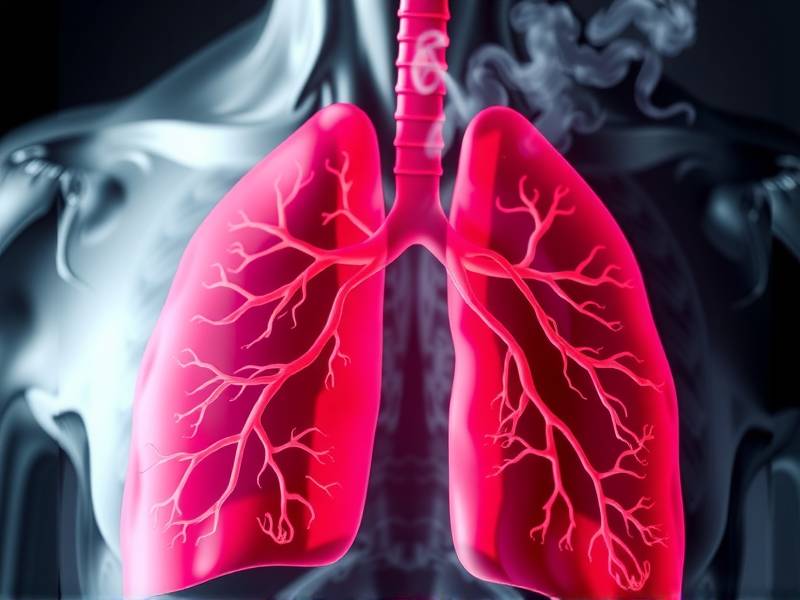
The Initial Phase: Immediate Improvements It's important to note that improvements in lung function can start almost immediately after quitting smoking. Here's what you can expect:
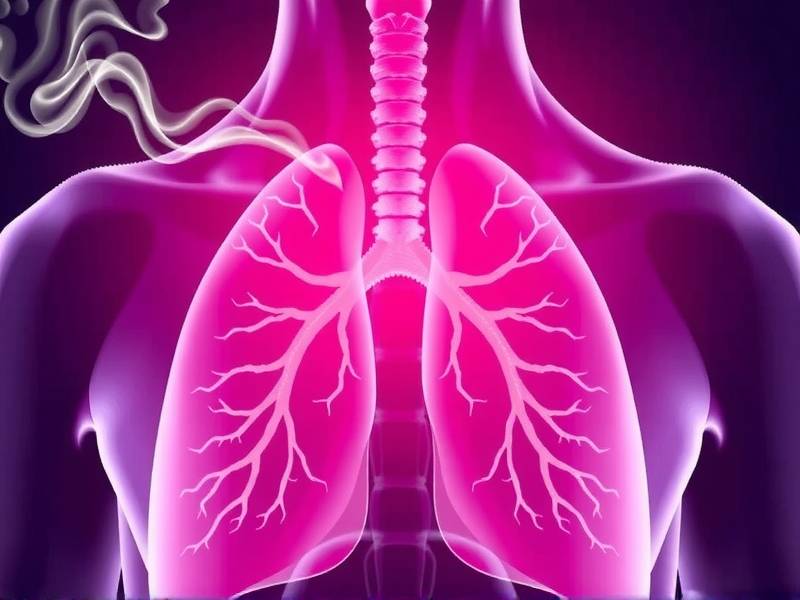
- First 24 Hours: Within 24 hours of quitting, carbon monoxide levels in your blood drop significantly.
- First Week: Your lungs begin to clear out mucus and debris that have accumulated due to smoking.
- First Month: You may notice an increase in lung capacity as your body heals from the damage caused by smoking.
The Middle Phase: Gradual Improvements Over the next few months and years, your lungs continue to heal and improve:
- First 3-9 Months: Coughing decreases as your respiratory system continues to clear out tar and debris.
- First Year: Risk of heart disease starts to decline as lung function continues to improve.
- 5 Years Post-Quitting: The risk of stroke decreases significantly.
The Long-Term Phase: Continuing Benefits Long-term benefits of quitting smoking are substantial:
- 10 Years Post-Quitting: The risk of cancer of the mouth, throat, esophagus, bladder, and pancreas decreases significantly.
- 15 Years Post-Quitting: The risk of coronary heart disease is similar to that of a non-smoker.
Factors Influencing Improvement It's important to remember that everyone's body reacts differently. Several factors can influence how quickly your lung function improves:
- Duration and intensity of smoking history
- Overall health before quitting
- Presence of other respiratory conditions
- Environmental factors
Conclusion: Quitting smoking is a gradual process with immediate and long-term benefits for your health. While there is no exact timeline for when all improvements will be noticed, understanding that progress is ongoing can provide hope and encouragement during this challenging journey. Embrace each step towards better health, knowing that every day without a cigarette brings you closer to breathing easier and living healthier.