
How Long Does It Take for Sperm to Return to Normal Health After Quitting Smoking?
The Journey to Normal Sperm Health: How Long After Quitting Smoking?
Introduction: Quitting smoking is a significant step towards better health, and its benefits extend beyond just the lungs. For many, the question arises: how long does it take for sperm to return to normal health after quitting smoking? This article delves into the topic, offering insights into the timeline and factors influencing sperm recovery.
Understanding Sperm Health and Smoking: Smoking has been proven to have detrimental effects on reproductive health, particularly affecting sperm quality. The chemicals in cigarettes can lead to reduced sperm count, motility, and overall vitality. Therefore, quitting smoking is crucial for those aiming to improve their fertility.
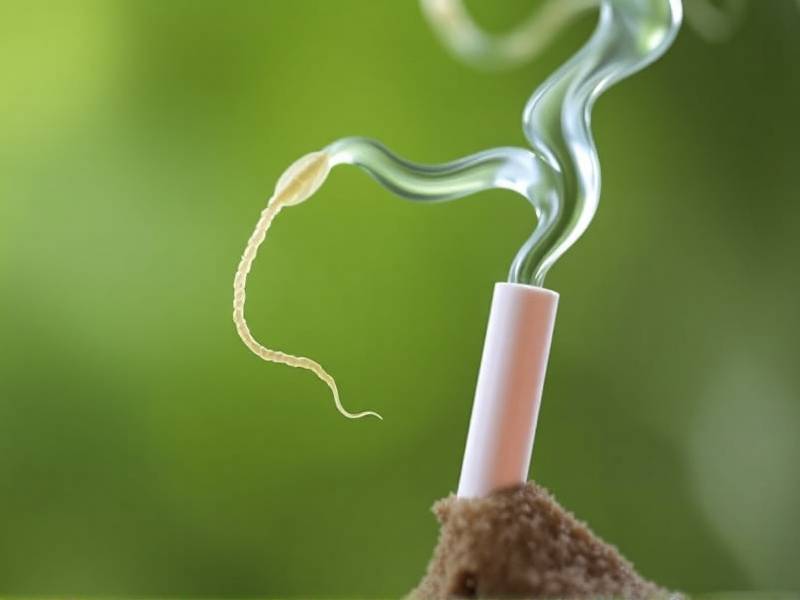
The Timeline for Sperm Recovery: The timeline for sperm recovery after quitting smoking varies from individual to individual. While some men may notice improvements within a few months, others may require up to a year or more. Here are some key points:
-
Initial Improvements: Within the first three months of quitting smoking, there may be slight improvements in sperm quality. However, these changes may not be significant enough for conception purposes.
-
Moderate Improvements: After six months of abstinence from smoking, most men will experience moderate improvements in sperm count and motility.
-
Optimal Recovery: It typically takes about one year for sperm health to return to normal levels after quitting smoking. During this period, it is essential for men to maintain a healthy lifestyle and avoid other potential reproductive health risks.
Factors Influencing Sperm Recovery: Several factors can influence the rate at which sperm returns to normal health after quitting smoking:
-
Age: Younger men tend to recover faster than older men due to their inherent reproductive potential.
-
Overall Health: Men with good overall health may experience quicker improvements in sperm quality.
-
Duration of Smoking: The longer an individual has smoked, the longer it may take for their reproductive system to recover.

-
Exposure to Other Toxins: Men who are exposed to other harmful substances alongside smoking may experience delayed recovery.
-
Lifestyle Choices: Adopting a healthy lifestyle that includes regular exercise, a balanced diet, and adequate sleep can enhance the recovery process.
Conclusion: Quitting smoking is a vital step towards improving reproductive health and ensuring optimal fertility. While the timeline for sperm recovery varies among individuals, most men can expect significant improvements within one year of quitting smoking. By adopting a healthy lifestyle and addressing other potential risk factors, men can enhance their chances of restoring normal sperm health promptly.
Remember that seeking medical advice is essential if you're experiencing fertility issues or have concerns about your reproductive health after quitting smoking. With patience and dedication, you can embark on a journey towards better sperm health and increased chances of conception!