
Will Your Chest Hurt After You Quit Smoking?
The Reality of Chest Pain After Quitting Smoking: What You Need to Know
Introduction: Quitting smoking is a significant step towards a healthier life, but it often comes with its own set of challenges. One common concern among smokers who are contemplating quitting is whether they will experience chest pain after stopping. In this article, we will explore the reasons behind chest pain after quitting smoking and provide you with the necessary information to alleviate your concerns.
Section 1: Understanding Chest Pain Chest pain can occur for various reasons, and it is crucial to differentiate between normal discomfort and something more serious. When you quit smoking, your body undergoes several changes that may lead to chest pain.

Subsection 1.1: The Impact of Smoking on Your Lungs Smoking damages the delicate tissues in your lungs, leading to inflammation and narrowing of the airways. When you quit smoking, your body starts repairing itself, which can cause some discomfort in the process.
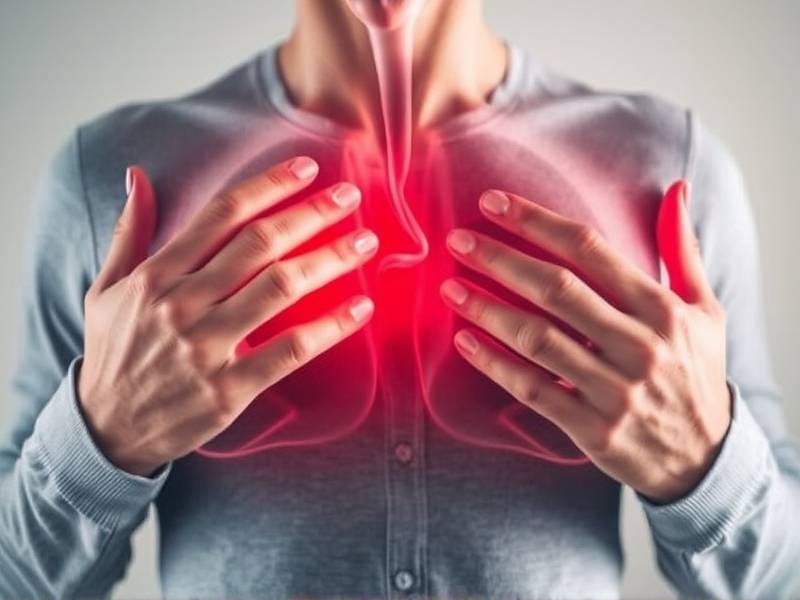
Subsection 1.2: Nicotine Withdrawal Nicotine withdrawal symptoms can also contribute to chest pain. Nicotine is a stimulant that affects the nervous system, and when you stop using it, your body may react with withdrawal symptoms such as anxiety, irritability, and even chest pain.
Section 2: Managing Chest Pain After Quitting Smoking While chest pain after quitting smoking is not uncommon, there are ways to manage it effectively.
Subsection 2.1: Gradual Smoking Cessation Instead of quitting cold turkey, consider a gradual approach. Gradually reducing your smoking frequency can help minimize withdrawal symptoms and reduce the likelihood of experiencing chest pain.
Subsection 2.2: Staying Hydrated Drinking plenty of water can help flush out toxins from your body and alleviate chest discomfort.
Subsection 2.3: Engaging in Physical Activity Regular exercise can improve lung function and reduce stress levels associated with nicotine withdrawal.
Section 3: When to Seek Medical Attention In some cases, chest pain after quitting smoking may be a sign of a more serious condition that requires medical attention.
Subsection 3.1: Persistent or Severe Pain If you experience persistent or severe chest pain that does not improve over time or worsens with physical activity, seek medical advice immediately.
Subsection 3.2: Shortness of Breath or Other Symptoms If you notice shortness of breath or other symptoms such as coughing up blood or fever alongside chest pain, seek medical attention promptly.
Conclusion: Quitting smoking is an essential step towards improving your health; however, it's essential to be aware of potential side effects such as chest pain after quitting. By understanding the reasons behind this discomfort and implementing effective strategies for managing it, you can minimize its impact on your journey towards a smoke-free life. Remember to consult with healthcare professionals if you have any concerns about your health during this transition period.