
Will My Lungs Heal When I Quit Smoking?
The Journey to Healthy Lungs: Can Smoking Quitters Heal?
Introduction: The question of whether one's lungs can heal after quitting smoking is a common concern among smokers looking for hope and motivation. This article delves into the science behind lung healing, offering insights and reassurance for those considering the quit-smoking journey.
I. Understanding the Damage Caused by Smoking Smoking is a leading cause of lung damage, leading to chronic conditions such as chronic obstructive pulmonary disease (COPD) and lung cancer. The toxic substances in cigarettes, including tar and nicotine, cause inflammation and scarring in the lungs over time.
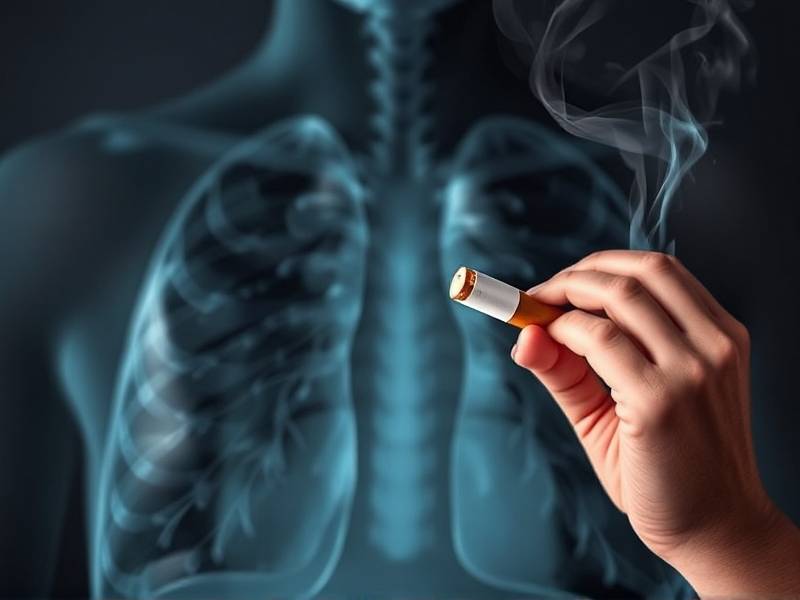
II. How Lungs Heal After Quitting Smoking The good news is that your lungs have an incredible capacity to heal themselves when you quit smoking. Here's a look at the process:
A. Immediate Benefits: Within 20 minutes of quitting, your blood pressure starts to drop, and your heart rate slows down. Within 12 hours, carbon monoxide levels in your blood return to normal.
B. Short-Term Healing: Over the next few weeks, your lungs begin to clear out mucus and debris accumulated from smoking. Your breathing improves as your lung capacity increases.
C. Long-Term Healing: Within 1-2 years after quitting, your risk of heart disease decreases significantly. After 5-15 years without smoking, your risk of stroke drops by half, and your chances of developing cancer decrease.
III. Factors Affecting Lung Healing While quitting smoking is the most crucial step in healing your lungs, other factors can influence the process:
A. Age: Younger individuals tend to heal faster than older ones. B. Duration of Smoking: Longer smoking durations may result in more extensive damage. C. Overall Health: Individuals with better overall health may experience faster healing. D. Environmental Factors: Exposure to pollutants can hinder lung healing.
IV. Support Systems for Quitting Smoking Quitting smoking is challenging; however, there are various support systems available:
A. Nicotine Replacement Therapy (NRT): Gum, patches, lozenges, or inhalers can help alleviate withdrawal symptoms. B. Medications: Prescription medications like varenicline or bupropion can increase success rates. C. Support Groups: Joining a support group provides encouragement and accountability. D. Professional Help: Consulting a healthcare provider can offer personalized advice and guidance.
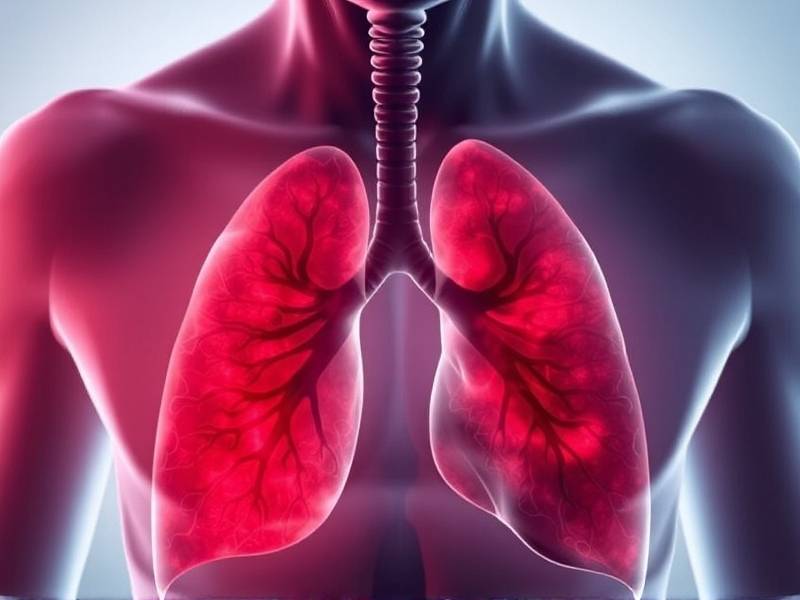
Conclusion: The journey towards healthy lungs after quitting smoking is possible with dedication and support systems in place. While healing takes time, it's an achievable goal worth pursuing for improved health and quality of life.
Remember that every puff counts – both on the road to addiction and on the path towards recovery! Take control of your health today by taking that first step towards quitting smoking!