
Can Cholesterol Tests Be Inaccurate If You Quit Smoking?
Understanding the Accuracy of Cholesterol Tests Post-Quitting Smoking
Introduction: Quitting smoking is a significant step towards improving one's health, and many individuals who take this leap are eager to see the immediate benefits. One common concern is whether cholesterol tests can be inaccurate after someone has quit smoking. This article aims to explore this topic, providing insights into how smoking affects cholesterol levels and whether test results might be affected after cessation.
How Smoking Impacts Cholesterol Levels
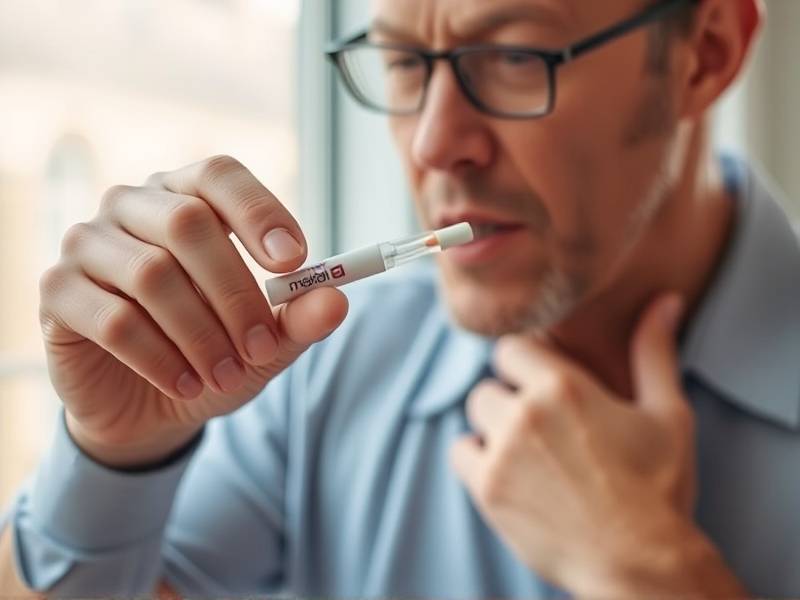
Cholesterol is a waxy substance that is found in the fats in your blood. There are two main types of cholesterol: low-density lipoprotein (LDL), often referred to as "bad" cholesterol, and high-density lipoprotein (HDL), known as "good" cholesterol. Smoking can significantly affect these levels:
- Bad Cholesterol Increase: Smoking increases the levels of LDL cholesterol, which can lead to the buildup of plaque in your arteries.
- Good Cholesterol Decrease: It also decreases HDL cholesterol, which helps remove LDL from your bloodstream.
Can Cholesterol Tests Be Inaccurate After Quitting Smoking?
The question of whether cholesterol tests can be inaccurate after quitting smoking arises due to the rapid changes that occur in cholesterol levels following cessation. Here's what you need to know:
1. Immediate Changes:
- Within days of quitting, HDL levels may start to increase.
- LDL levels might remain elevated for several weeks or even months.
2. Test Accuracy Concerns:
- The initial period after quitting may lead to fluctuations in test results.
- A single test might not accurately reflect your new, improved lipid profile.
3. Timing Is Key:
- It's generally recommended to wait at least 3-6 months after quitting smoking before retesting your cholesterol levels.
- This waiting period allows for more consistent and reliable results.
Why Wait?
Waiting for several months post-cessation offers several advantages:

- Consistency: It ensures that any changes in cholesterol levels are not due to temporary fluctuations caused by recent smoking.
- Reliability: It provides a more accurate picture of your cardiovascular health.
- Motivation: Seeing positive changes in your test results can be a powerful motivator for maintaining your smoke-free lifestyle.
Conclusion: In conclusion, while it's natural to wonder if cholesterol tests can be inaccurate after quitting smoking, understanding how smoking affects cholesterol levels and the timing of retesting can help alleviate concerns. By waiting 3-6 months post-cessation, you can ensure that any improvements in your lipid profile are accurately reflected in your test results. Remember, quitting smoking is a significant step towards better health, and regular monitoring through reliable tests is an important part of maintaining that progress.