
Why You Gain Weight When You Quit Smoking: The Science Behind the Phenomenon
Why You Gain Weight When You Quit Smoking: The Science Behind the Phenomenon
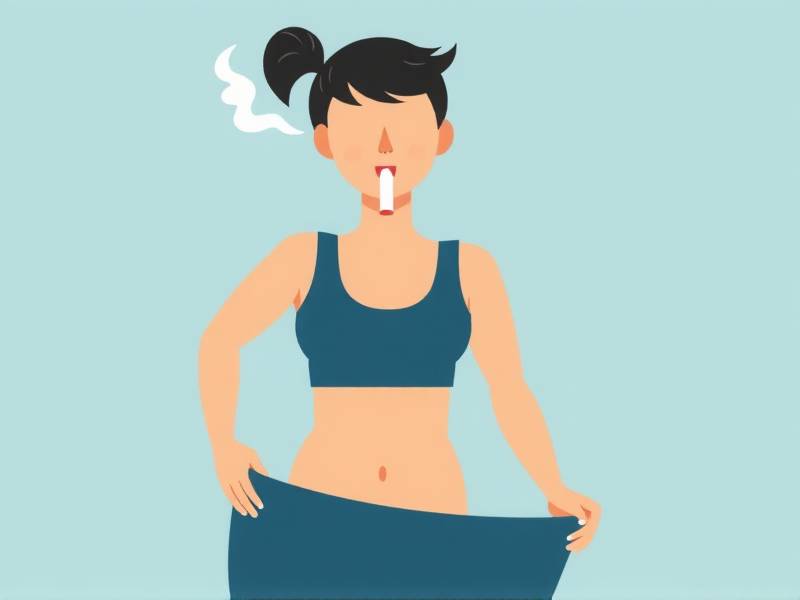
Introduction: Quitting smoking is a significant step towards improving your health. However, many individuals find that they gain weight after quitting. This article explores the science behind why this happens and offers insights into managing weight gain while maintaining a smoke-free lifestyle.
1. Metabolism Changes When you quit smoking, your body's metabolism undergoes changes that can contribute to weight gain. Smoking affects the hormones responsible for regulating metabolism, leading to slower metabolic rates. As a result, when you stop smoking, your body may start storing more calories as fat.

2. Increased Appetite Nicotine withdrawal can trigger an increase in appetite and cravings for high-calorie foods. The body may also release more ghrelin, a hormone that stimulates hunger. This combination can make it challenging to maintain your usual calorie intake and lead to weight gain.
3. Reduced Physical Activity Smokers often engage in more physical activity than non-smokers due to the need for breaks to smoke. Quitting smoking can result in a decrease in physical activity levels, which contributes to weight gain.
4. Stress and Emotional Eating Quitting smoking can be stressful, and some individuals turn to emotional eating as a coping mechanism. Stress hormones can increase appetite and lead to overeating, further contributing to weight gain.
5. Taste Changes Smoking alters the taste perception of food, making it less enjoyable or satisfying without nicotine. This change can lead to an increased desire for sweeter or saltier foods, which are typically higher in calories.
How to Manage Weight Gain After Quitting Smoking:
1. Stay Active Engage in regular physical activity to boost your metabolism and manage weight gain effectively. Incorporate both aerobic exercises and strength training into your routine.
2. Monitor Your Diet Be mindful of your calorie intake and choose healthier options that are rich in nutrients but low in calories. Focus on whole foods such as fruits, vegetables, lean proteins, and whole grains.
3. Seek Support Joining a support group or seeking counseling can help you cope with stress and emotional eating during the quitting process.
4. Substitute Nicotine Withdrawal with Healthy Habits Find alternative ways to deal with cravings or stress, such as deep breathing exercises or engaging in hobbies that keep you occupied.
Conclusion: Gaining weight after quitting smoking is a common concern for many individuals seeking a smoke-free life. Understanding the science behind this phenomenon allows you to take proactive steps towards managing weight gain effectively while maintaining your commitment to quitting smoking for good.