
When Do You Need to Quit Smoking When Pregnant?
The Crucial Decision: When Should Pregnant Women Quit Smoking?
Introduction: Pregnancy is a pivotal time in a woman's life, where the health of both the mother and the developing fetus is paramount. One of the most significant health risks during pregnancy is smoking, which can have devastating effects on both mother and baby. This article delves into the critical question: when do pregnant women need to quit smoking?
Understanding the Risks

Subheading: The Consequences of Smoking During Pregnancy
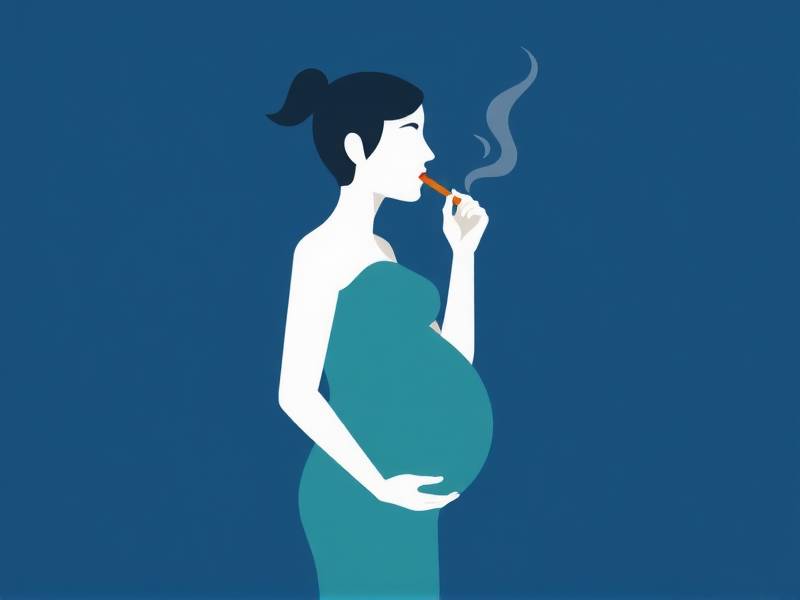
Smoking during pregnancy poses numerous risks to both the mother and her baby. These include:
- Increased risk of miscarriage and stillbirth
- Premature birth
- Low birth weight
- Increased risk of developmental issues, including learning disabilities and behavioral problems
- Higher chance of Sudden Infant Death Syndrome (SIDS)
Subheading: How Smoking Impacts Your Baby
The chemicals in cigarettes can cross the placenta, affecting your baby's growth and development. Here are some specific impacts:
- Reduced oxygen supply to your baby's brain and other organs
- Increased risk of congenital abnormalities, such as cleft lip or palate
- Higher likelihood of respiratory infections in infancy
When Should You Quit?
Subheading: The Ideal Time to Quit
The best time to quit smoking during pregnancy is as soon as possible. Research shows that quitting even late in pregnancy can significantly reduce these risks.
Subheading: Benefits of Quitting at Different Stages
- Early Pregnancy: Reduces the risk of miscarriage and birth defects.
- Second Trimester: Helps prevent preterm labor and low birth weight.
- Third Trimester: Reduces the risk of complications during delivery and increases your baby's chances for a healthy start in life.
Strategies for Quitting
Subheading: Tips for Successful Smoking Cessation
Quitting smoking can be challenging, but here are some strategies that may help:
- Seek support from friends, family, or a support group.
- Consult with your healthcare provider about nicotine replacement therapy or medication options.
- Identify triggers that make you want to smoke and find ways to avoid them.
- Practice relaxation techniques like deep breathing or meditation.
Conclusion:
The decision to quit smoking during pregnancy is one that can have profound effects on both mother and child. By understanding the risks, knowing when to quit, and implementing effective strategies, pregnant women can take an essential step towards a healthier future for themselves and their babies. Remember, it's never too late to quit; every day without smoking is a step towards better health for you and your little one.