
How Long Does Nicotine Stay in Your System After Quitting Smoking?
The Nicotine Detox Journey: How Long Does It Take?
Introduction: Quitting smoking is a significant step towards a healthier life. However, many smokers often wonder about the timeline of nicotine withdrawal and its effects on their bodies. In this article, we'll explore how long nicotine stays in your system after quitting smoking and what you can expect during the detox process.
How Long Does Nicotine Stay in Your System?
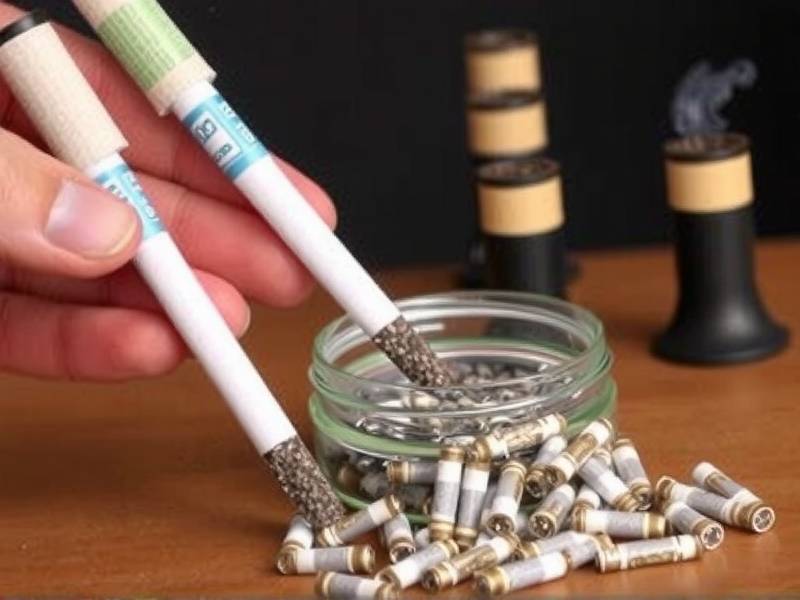
Nicotine's half-life, which is the time it takes for the body to eliminate half of the nicotine present in your system, varies from person to person. On average, it takes around 1 to 3 days for nicotine to be completely eliminated from your body. However, the traces of nicotine can be detected in your urine for up to 3 weeks after quitting smoking.
The Detox Process:
-
Immediate Withdrawal Symptoms: After you quit smoking, you may experience immediate withdrawal symptoms within the first few hours or days. These symptoms include cravings, irritability, anxiety, headaches, and difficulty sleeping.
-
Short-Term Withdrawal Symptoms (1-3 weeks): During the first few weeks after quitting smoking, you may still experience some withdrawal symptoms. These symptoms can include increased appetite, weight gain, and mood swings.
-
Long-Term Withdrawal Symptoms (weeks to months): As your body continues to detoxify from nicotine, you might experience long-term withdrawal symptoms such as depression or anxiety. These symptoms can persist for several weeks or months but usually become less intense over time.
Factors Influencing Nicotine Detox:
-
Nicotine Consumption: The amount of nicotine consumed daily affects how long it takes for your body to eliminate it completely. Smokers who smoked heavily may take longer to detoxify compared to those who smoked lightly.
-
Body Metabolism: Your metabolism plays a crucial role in how quickly your body eliminates nicotine. People with a faster metabolism might experience shorter withdrawal symptoms compared to those with a slower metabolism.
-
Age and Gender: Younger individuals tend to have faster metabolisms and may recover more quickly from nicotine withdrawal compared to older individuals. Additionally, women might experience more severe withdrawal symptoms than men due to hormonal differences.

-
Genetic Factors: Genetic variations can also influence how quickly someone's body eliminates nicotine.
Tips for Managing Withdrawal Symptoms:
- Stay Hydrated: Drinking plenty of water can help flush out toxins from your body.
- Eat Healthy: A balanced diet rich in fruits, vegetables, whole grains, and lean proteins can support your body's healing process.
- Exercise Regularly: Physical activity can boost your mood and reduce stress levels.
- Seek Support: Joining a support group or talking to a therapist can provide emotional support during the detox process.
- Consider Medications: Consult with a healthcare professional about prescription medications that may help alleviate withdrawal symptoms.
Conclusion:
Quitting smoking is an essential step towards better health; however, understanding how long nicotine stays in your system can help you manage withdrawal symptoms effectively during the detox process. By adopting healthy lifestyle habits and seeking support when needed, you'll increase your chances of successfully overcoming nicotine addiction and enjoying a smoke-free life.
Note: This article is intended for informational purposes only and should not replace professional medical advice or treatment recommendations from healthcare providers.