
Do Lungs Regenerate When You Quit Smoking?
The Journey to Health: Can Lungs Regenerate After Quitting Smoking?
Introduction: The act of quitting smoking is a significant step towards improving one's health. Many smokers are often curious about the potential for lung regeneration after they quit. In this article, we will explore the science behind lung regeneration and provide insights into the recovery process.
Section 1: Understanding Lung Regeneration Subheading: What is Lung Regeneration?
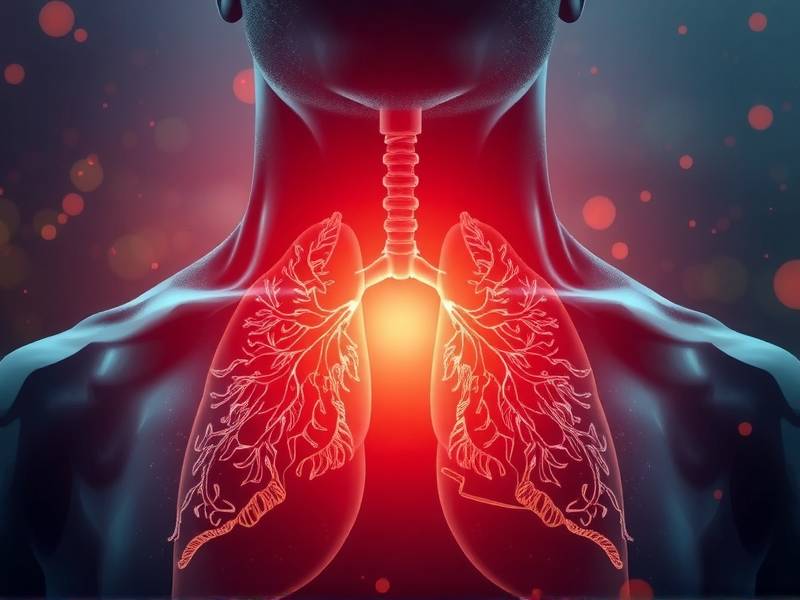
Lung regeneration refers to the process by which damaged lung tissue is repaired and replaced with new tissue. While it is a natural process, the extent of regeneration can vary from person to person.
Subheading: Can Lungs Regenerate After Quitting Smoking?
Yes, lungs can regenerate to some extent after quitting smoking. However, the rate and degree of regeneration depend on various factors such as age, overall health, and duration of smoking.
Section 2: The Impact of Smoking on Lungs Subheading: How Does Smoking Damage Lungs?
Smoking causes damage to the lungs by releasing harmful chemicals that inflame and scar lung tissue. Over time, this damage can lead to chronic obstructive pulmonary disease (COPD), emphysema, and other respiratory issues.
Subheading: Immediate Benefits of Quitting Smoking
When you quit smoking, your lungs begin to heal immediately. Within just 48 hours, your body starts to eliminate carbon monoxide levels, which improves oxygen flow in your bloodstream.
Section 3: The Recovery Process Subheading: How Long Does It Take for Lungs to Regenerate?
The recovery process can vary from individual to individual. While some may notice improvements within a few weeks or months, others may take several years.
Subheading: Factors Influencing Lung Regeneration
Several factors can influence the rate of lung regeneration after quitting smoking:
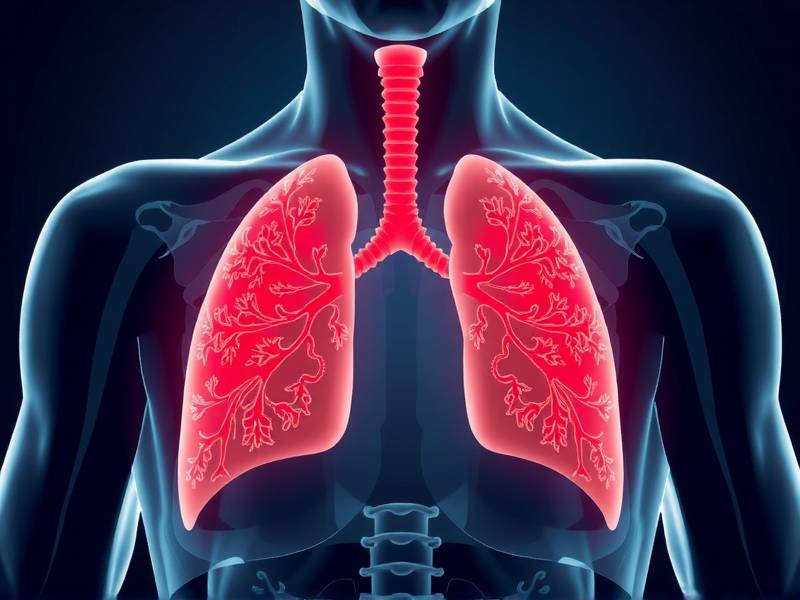
- Age: Younger individuals tend to have a better chance of regenerating lung tissue compared to older individuals.
- Overall Health: People with better overall health may experience quicker recovery.
- Duration of Smoking: Longer smoking durations can lead to more severe damage and slower recovery.
Section 4: Tips for Successful Quitting Subheading: Strategies for Overcoming Withdrawal Symptoms
Quitting smoking can be challenging due to withdrawal symptoms like cravings and irritability. Here are some tips that may help:
- Seek support from friends, family, or support groups.
- Use nicotine replacement therapy (NRT) or prescription medications if needed.
- Stay active and engage in hobbies that keep your mind off smoking.
- Set realistic goals and celebrate milestones along the way.
Conclusion: While lungs have the potential to regenerate after quitting smoking, it's important to understand that complete restoration may not be possible for everyone. By adopting a healthy lifestyle and seeking support when needed, you can improve your chances of experiencing positive outcomes in your lung health journey. Remember that every step towards quitting is a step towards a healthier life!