
What Happens When You Suddenly Quit Smoking: A Guide to the Physical and Mental Changes
"What Happens When You Suddenly Quit Smoking: A Comprehensive Guide to Physical and Mental Changes"
Introduction: Quitting smoking is a significant decision that can lead to profound changes in your life. Whether you're considering quitting or have already made the leap, understanding the physical and mental transformations that occur when you suddenly quit smoking is crucial. This guide will explore the immediate effects of quitting, the challenges you may face, and the long-term benefits that await.
Immediate Physical Changes
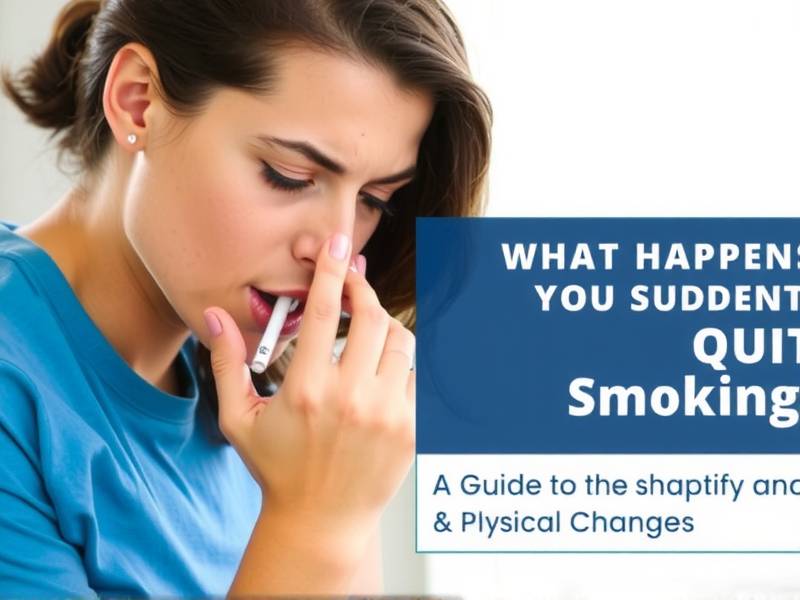
1. Improved Oxygen Levels One of the first noticeable changes when you quit smoking is an improvement in oxygen levels. Smoking restricts blood flow and reduces oxygen supply to your body's tissues. Within hours of quitting, your heart rate and blood pressure begin to normalize, leading to better oxygen delivery throughout your body.
2. Enhanced Taste and Smell Within a few days to weeks after quitting, your taste buds and sense of smell will start to improve. You'll notice flavors more vividly and enjoy food with greater pleasure.
3. Reduced Inflammation Chronic smoking causes inflammation in various parts of your body. Quitting can reduce this inflammation, potentially lowering your risk of heart disease and other chronic conditions.
4. Increased Energy Levels Cigarettes contain nicotine, which acts as a stimulant. Without nicotine, you may initially experience withdrawal symptoms like fatigue or irritability. However, within a few weeks of quitting, many people report increased energy levels.
Mental Changes After Quitting Smoking
1. Withdrawal Symptoms The first few days after quitting can be challenging due to withdrawal symptoms such as cravings, irritability, anxiety, and depression. These symptoms are temporary but can be managed with support from friends, family, or professionals.
2. Improved Concentration Within a few days of quitting smoking, many people notice an improvement in their concentration levels due to reduced nicotine-induced distractions.
3. Enhanced Mood Quitting smoking has been linked to improved mood over time as individuals adjust to life without nicotine's negative effects on brain chemistry.

4. Increased Self-Esteem Successfully quitting smoking can boost self-esteem and confidence as individuals take pride in their decision-making abilities and commitment to better health.
Long-Term Benefits
1. Reduced Risk of Chronic Diseases Long-term benefits of quitting include a lower risk of developing chronic diseases such as heart disease, stroke, cancer, and respiratory conditions.
2. Improved Quality of Life As your health improves over time after quitting smoking, you'll likely notice an overall improvement in your quality of life.
Conclusion: Quitting smoking is not just about breaking a habit; it's about embarking on a transformative journey that impacts both your physical and mental well-being positively. Understanding the immediate effects and long-term benefits can help keep you motivated during challenging times.