
Do Your Lungs Get More Congested After Quitting Smoking?
Unveiling the Truth: Do Your Lungs Get More Congested After Quitting Smoking?
Introduction: Quitting smoking is a significant step towards improving one's health, but it often raises questions about the immediate aftermath. Many former smokers wonder if their lungs become more congested after kicking the habit. In this article, we delve into the science behind this concern and provide insights based on recent studies.
Understanding Lung Congestion Post-Quitting Smoking
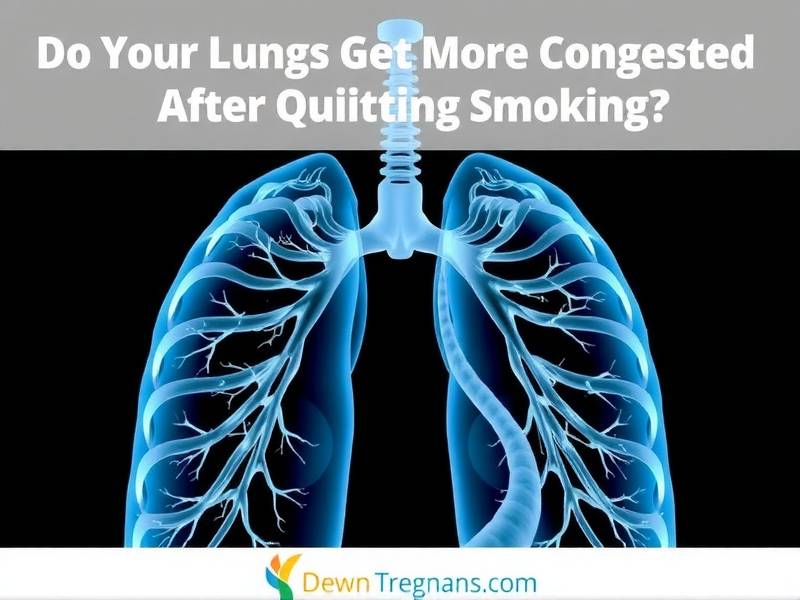
What is Lung Congestion? Lung congestion refers to the accumulation of mucus or fluid in the airways, leading to difficulty breathing. It can be caused by various factors, including smoking, allergies, infections, and environmental pollutants.
The Role of Smoking in Lung Congestion: Smoking damages the delicate lining of the airways and can lead to chronic bronchitis and emphysema. These conditions are characterized by inflammation and excessive mucus production, which can cause persistent congestion.
Does Quitting Make Things Worse?
The Short-Term Experience: In the short term, many people experience increased coughing and mucus production after quitting smoking. This is due to the body's natural response to removing toxins that have been accumulated over time.
The Long-Term Outlook: However, research suggests that over time, quitting smoking can lead to a reduction in lung congestion. The body begins to heal itself as it clears out tar and other harmful substances. This healing process can take weeks or even months.
What Studies Reveal
A study published in the Journal of Thoracic Disease found that within six months of quitting smoking, participants experienced a significant decrease in respiratory symptoms such as coughing and wheezing.
Another study from the American Journal of Respiratory and Critical Care Medicine indicated that former smokers who quit for at least 15 years had lung function similar to never-smokers.
Tips for Managing Post-Quitting Symptoms
- Stay Hydrated: Drinking plenty of water helps thin mucus and make it easier to cough up.
- Use Humidifiers: Adding moisture to your indoor environment can help keep your airways moist.
- Exercise Regularly: Physical activity improves lung function and helps clear out excess mucus.
- Avoid Triggers: Stay away from allergens or irritants that could exacerbate congestion.
Conclusion: While it's true that you may experience increased lung congestion when you first quit smoking, this is typically a temporary phase. Over time, your lungs will begin to heal, leading to improved respiratory health. Remember that quitting smoking is a long-term commitment to better health, and every step you take towards cessation is a step towards healthier lungs.