
Is Chest Pain Normal After Quitting Smoking?
Understanding the Transition
Quitting smoking is a significant life decision that can lead to numerous health benefits. However, the journey towards a smoke-free life isn't always smooth. Many individuals experience various withdrawal symptoms, and one of the most common concerns is chest pain. This article aims to explore whether chest pain is a normal occurrence after quitting smoking and what it might indicate.
What Causes Chest Pain After Quitting Smoking?
Withdrawal Symptoms
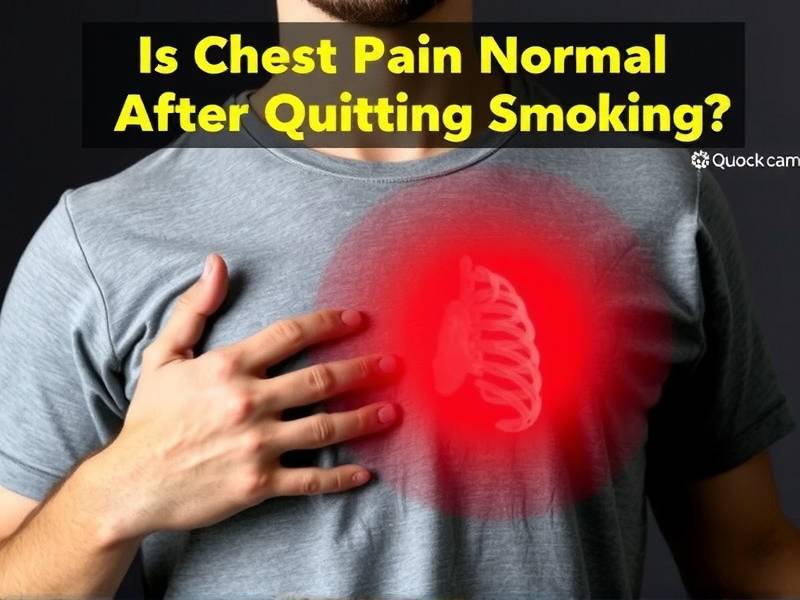
When you stop smoking, your body undergoes changes as it adjusts to the absence of nicotine. Chest pain can be one of these withdrawal symptoms. Nicotine, a stimulant, affects the cardiovascular system by increasing heart rate and blood pressure. As you quit, these effects diminish, but the body may initially react with discomfort.
Nicotine Withdrawal and Blood Vessels
Nicotine causes blood vessels to constrict, which can lead to chest tightness or pain as your body adjusts to its reduced presence. This sensation is often described as a mild form of angina.
Other Factors
It's also important to consider other factors that could contribute to chest pain after quitting smoking:
- Respiratory Changes: The lungs start to clear out mucus and debris that have accumulated over years of smoking.
- Increased Heart Rate: A temporary increase in heart rate can sometimes cause discomfort.
- Stress: Quitting smoking can be stressful, and stress itself can cause chest pain.
When Should You Be Concerned?
While some chest pain after quitting smoking is normal and typically resolves within a few weeks or months, there are instances where it could be a sign of something more serious:
- Persistent Pain: If chest pain persists for an extended period or worsens over time.
- Accompanying Symptoms: Such as shortness of breath, palpitations, or dizziness.
- History of Heart Disease: Individuals with pre-existing heart conditions may experience more severe symptoms.
Seeking Medical Advice
If you experience chest pain after quitting smoking and it doesn't improve within a few days or if you have any concerns about your health, it's essential to seek medical advice. A healthcare professional can assess your symptoms and provide appropriate guidance.
Tips for Managing Chest Pain
Here are some tips that might help manage chest pain while you're quitting smoking:
- Stay Hydrated: Drinking plenty of water can help with respiratory changes.
- Exercise Regularly: Physical activity can reduce stress and improve cardiovascular health.
- Practice Relaxation Techniques: Techniques like deep breathing or meditation can help manage anxiety.
Conclusion
Chest pain after quitting smoking is often a normal part of the process as your body adjusts to life without nicotine. However, it's crucial to monitor any persistent or worsening symptoms and consult with a healthcare professional when necessary. Remember that every step towards quitting smoking is a step towards better health.