
Will My Lungs Repair If I Quit Smoking?
The Promise of Healing: Will My Lungs Repair If I Quit Smoking?
Introduction: Smoking is a well-known health hazard, and the damage it can do to the body is extensive. One of the most common concerns among smokers looking to quit is whether their lungs can fully repair themselves after giving up the habit. This article delves into the science behind lung repair and offers hope for those seeking to improve their health.
Understanding Lung Damage from Smoking
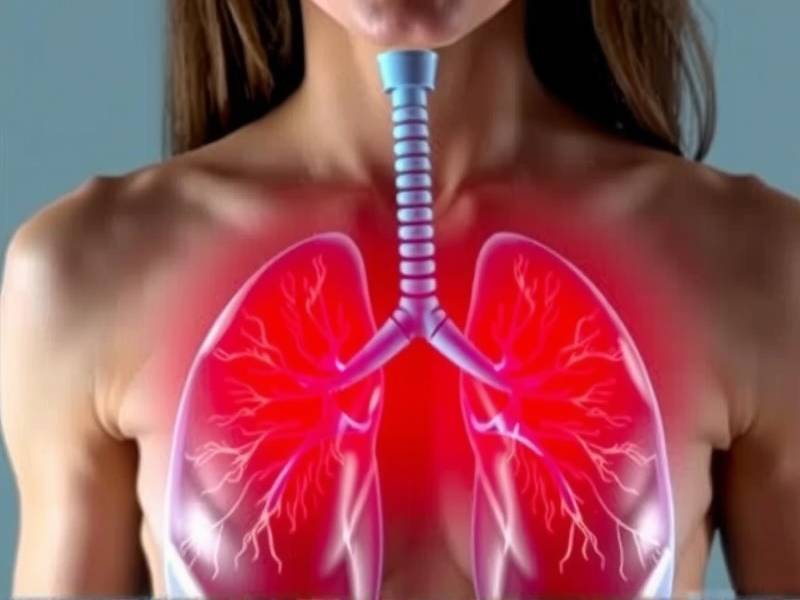
Smoking causes significant damage to the lungs, leading to conditions such as chronic bronchitis, emphysema, and lung cancer. The primary culprits are the harmful chemicals found in cigarettes, which irritate and inflame lung tissue over time.
The Healing Process
When you quit smoking, your body begins an incredible healing process. Here's what happens:
-
Cilia Begin to Function Again: Cilia are tiny hair-like structures in your lungs that help trap dirt and germs. Smoking paralyzes these cilia, but within days of quitting, they start to move again, improving your ability to clear mucus and reduce infections.
-
Inflammation Decreases: The inflammation caused by smoking starts to subside shortly after quitting. Over time, this can lead to a decrease in symptoms like coughing and shortness of breath.
-
Airflow Improves: Within a few weeks of quitting, you may notice improved airflow in your lungs. This can result in better breathing and reduced shortness of breath.
-
Oxygen Levels Increase: Over time, oxygen levels in your blood increase as your body repairs lung tissue damaged by smoking.
The Timeframe for Repair
While some improvements can be seen relatively quickly after quitting smoking, full repair may take years or even decades:
- Within 1-9 months: A significant decrease in coughing and phlegm production.
- Within 1-2 years: A reduction in risk of heart disease.
- Within 5-15 years: A reduction in risk of stroke.
- After 10-20 years: The risk of dying from lung cancer is about half that of a continuing smoker.
Maintaining a Healthy Lifestyle
While quitting smoking is crucial for lung repair, maintaining a healthy lifestyle further supports this process:
- Exercise Regularly: Physical activity helps improve lung function and overall health.
- Eat a Balanced Diet: A diet rich in fruits, vegetables, whole grains, lean proteins, and healthy fats provides essential nutrients for healing.
- Stay Hydrated: Drinking plenty of water helps keep your respiratory system functioning properly.
- Avoid Secondhand Smoke: Exposing yourself to secondhand smoke can delay or reverse the healing process.
Conclusion: Quitting smoking offers hope for repairing damaged lungs over time. While it's not an overnight process, making this life-changing decision can lead to improved health and quality of life. Embrace the journey towards better breathing by adopting a healthy lifestyle alongside your commitment to quit smoking forever!