
Does Lung Function Really Return to Normal After Quitting Smoking?
The Truth Behind Lung Function Recovery After Smoking Cessation
Introduction: The decision to quit smoking is a significant step towards a healthier life. Many smokers are often motivated by the promise of improved lung function. But does lung function really return to normal after quitting smoking? Let's explore this topic in detail.
I. Understanding Lung Function Before we delve into the effects of quitting smoking on lung function, it's essential to understand what lung function entails. Lung function refers to how well your lungs can move air in and out of your body. This process involves several components, such as breathing capacity, oxygen transfer, and gas exchange.
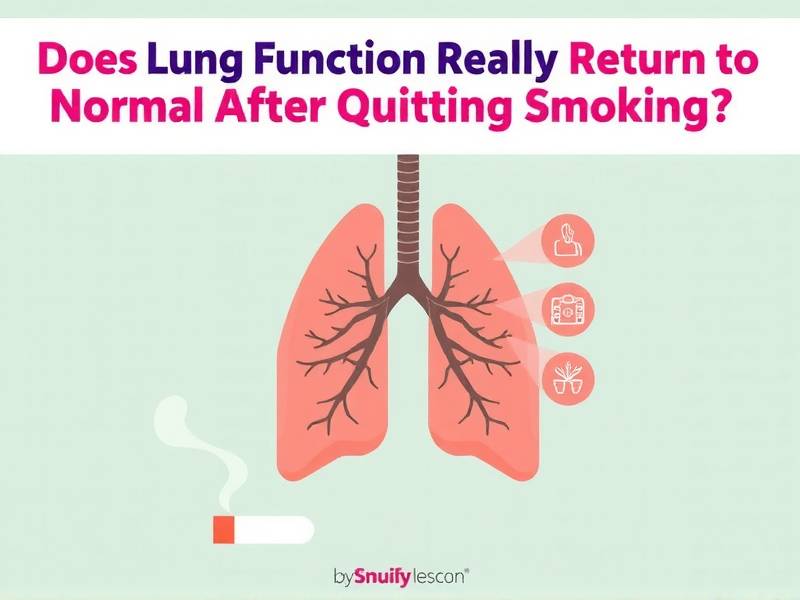
II. The Impact of Smoking on Lung Function Smoking is a leading cause of chronic obstructive pulmonary disease (COPD), emphysema, and other respiratory issues. The harmful chemicals in tobacco smoke can cause inflammation, damage to the alveoli (air sacs), and reduce the elasticity of lung tissue.
III. The Promise of Recovery Many people believe that quitting smoking can reverse the damage caused by smoking and restore lung function to normal levels. While complete recovery may not be possible for everyone, there is hope for significant improvement.
IV. The Process of Recovery The recovery process varies from person to person but generally involves the following stages:
A. Early Stages: Within days or weeks after quitting, you may notice an improvement in your breathing capacity as your body starts to heal. B. Intermediate Stages: Over several months to a year, your lungs may continue to clear mucus and debris accumulated during smoking. C. Long-Term Stages: After several years of not smoking, your risk for COPD and other respiratory issues decreases significantly.
V. Factors Influencing Recovery Several factors can affect how well your lungs recover after quitting smoking:
A. Duration of Smoking: The longer you smoked, the more time it may take for your lungs to recover. B. Number of Cigarettes Per Day: Higher cigarette consumption can lead to more severe damage and a longer recovery period. C. Genetic Factors: Some individuals may have a genetic predisposition that affects their ability to recover from smoking-related damage. D. Environmental Factors: Exposure to secondhand smoke or air pollution can further complicate the recovery process.
VI. Conclusion While complete recovery from smoking-related lung damage is not guaranteed for everyone, quitting smoking can significantly improve lung function over time. It's essential to consult with healthcare professionals for personalized advice and support throughout this journey.
Remember, every puff counts – taking that first step towards quitting can lead to better health outcomes and a higher quality of life.
References:
- American Lung Association (https://www.lung.org)
- Centers for Disease Control and Prevention (https://www.cdc.gov)