
How Do I Stop Eating So Much After Quitting Smoking?
Overcoming the Post-Quitting Smoking Snack Attack: Strategies for Mindful Eating
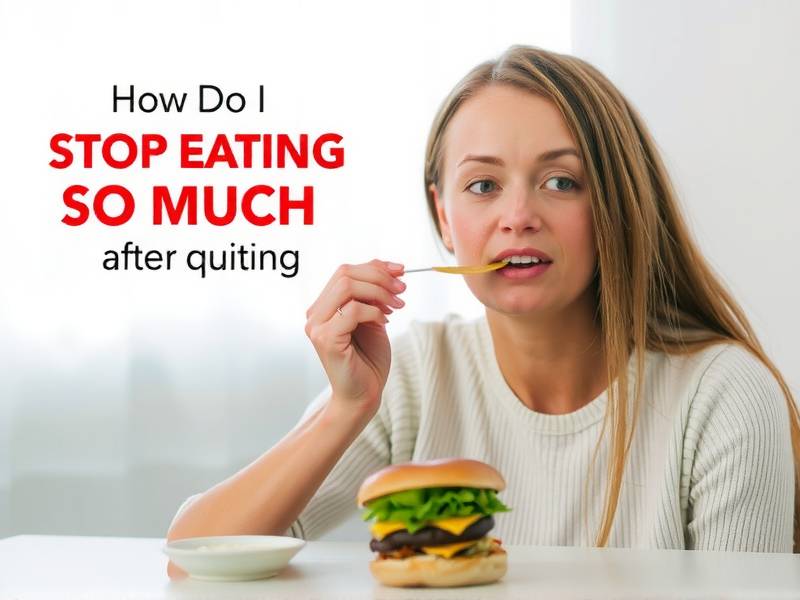
Introduction: Congratulations on taking the bold step to quit smoking! It's a journey filled with challenges, and one common issue many quitters face is an increase in snacking. The act of quitting smoking often leads to a heightened sense of hunger and a desire for comfort foods. In this article, we'll explore why this happens and provide you with practical strategies to manage your snacking habits effectively.
Understanding the Link Between Smoking and Snacking

-
Hunger Hormones and Nicotine Withdrawal When you quit smoking, your body experiences changes in hormones like ghrelin and leptin, which regulate hunger and satiety. Nicotine withdrawal can also trigger stress, which can lead to increased cravings for food.
-
The Role of Rituals Smoking often becomes a ritual associated with eating. Without the cigarette, you might find yourself reaching for snacks out of habit.
Strategies to Control Post-Quitting Snacking
-
Mindful Eating Practices Before indulging in a snack, ask yourself if you're actually hungry or just bored or stressed. Practice mindful eating by focusing on the taste, texture, and smell of your food.
-
Healthy Snacking Alternatives Swap out high-calorie snacks for healthier options like fresh fruits, vegetables with hummus, or nuts and seeds. These choices can satisfy your hunger without derailing your health goals.
-
Regular Meal Times Establishing regular meal times helps keep your blood sugar stable and reduces the urge to snack impulsively.
-
Stay Hydrated Sometimes thirst can be mistaken for hunger. Drink plenty of water throughout the day to stay hydrated.
-
Exercise Physical activity can help reduce stress and improve mood, which in turn can reduce snacking triggered by stress or boredom.
-
Avoid Trigger Foods Be aware of foods that trigger overeating for you and try to avoid them when you're feeling particularly vulnerable.
-
Seek Support Joining a support group or finding an accountability partner can provide encouragement as you navigate this new phase of life without cigarettes.
Conclusion: Quitting smoking is a significant achievement, but it's important to recognize that it's not just about giving up tobacco—it's about adopting new healthy habits that will last a lifetime. Managing post-quitting snacking is part of this process. By understanding the reasons behind your snacking habits and implementing these strategies, you can enjoy your newfound freedom from smoking while maintaining a balanced diet.
Remember, change takes time, so be patient with yourself as you adjust to life without cigarettes and develop new routines that support your health goals.