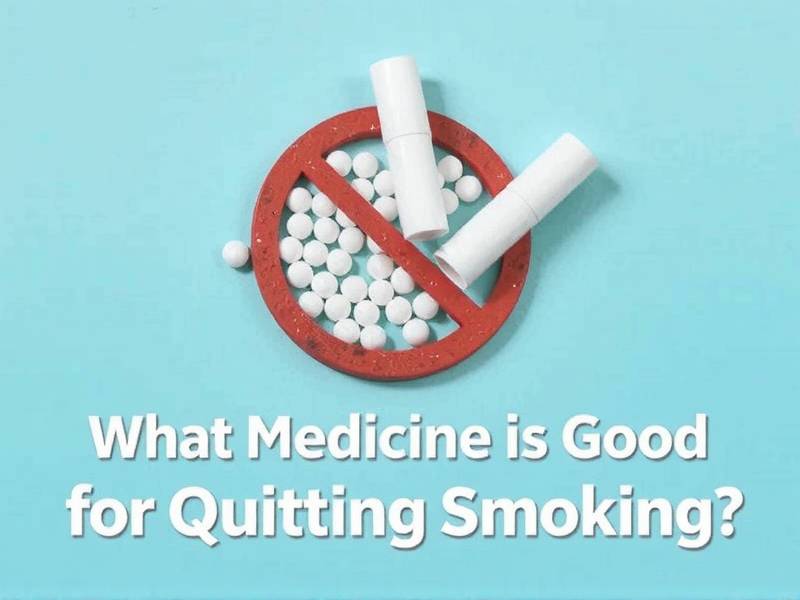
What Medicine Is Good for Quitting Smoking?
Introduction
The journey to quit smoking can be challenging, but with the right tools and resources, it's possible to overcome this addiction. One of the most effective ways to support your quit attempt is by using medication. This article explores various medications that have been proven to aid in smoking cessation and provides insights into how they can help you on your journey.
Nicotine Replacement Therapy (NRT)
Nicotine replacement therapy is a popular choice for many smokers looking to quit. This treatment involves using nicotine-containing products such as gum, lozenges, patches, inhalers, or nasal sprays. By delivering controlled doses of nicotine, NRT helps alleviate withdrawal symptoms and reduce cravings.
How NRT Works
When you stop smoking, your body experiences withdrawal symptoms due to the absence of nicotine. NRT provides a substitute source of nicotine that can help ease these symptoms. The goal is to gradually reduce your reliance on nicotine while managing withdrawal symptoms until you no longer need the medication.
Types of NRT
- Gum: Offers immediate relief when chewed and delivers a slow release of nicotine.
- Lozenges: Dissolve in the mouth and provide a sustained release of nicotine.
- Patches: Stick to the skin and deliver a steady supply of nicotine throughout the day.
- Inhalers: Mimic the hand-to-mouth action of smoking while delivering nicotine directly to the lungs.
- Nasal Sprays: Administered through the nose, providing rapid absorption into the bloodstream.
Prescription Medications
Prescription medications can be an effective option for those who struggle with quitting smoking. These drugs work by altering brain chemistry or reducing cravings and withdrawal symptoms.
Bupropion (Zyban)
Bupropion is an antidepressant that has been approved for use in smoking cessation. It works by increasing levels of norepinephrine and dopamine in the brain, which are neurotransmitters associated with pleasure and reward.
Varenicline (Chantix)
Varenicline is another prescription medication used to help people quit smoking. It works by binding to nicotine receptors in the brain, reducing its effects on cravings and withdrawal symptoms.
Combination Therapy
Combining different types of medications can increase your chances of quitting smoking successfully. For example, using both NRT and prescription medication may provide more comprehensive support during your quit attempt.
Alternative Treatments
While prescription medications are widely used, some individuals may prefer alternative treatments that do not involve pharmaceuticals. These options include:
- Acupuncture: Stimulating specific points on the body with needles may help alleviate withdrawal symptoms.
- Herbal Supplements: Certain herbs like St. John's Wort or green tea have been used traditionally as natural remedies for quitting smoking.
- Mindfulness Techniques: Practices like meditation or deep breathing exercises can help manage stress and cravings without relying on medication.
Conclusion
Quitting smoking is a significant step towards improving your health and well-being. Using medication such as NRT or prescription drugs can provide essential support during this process. Remember that what works for one person may not work for another; it's important to explore different options and consult with healthcare professionals before making a decision. With determination and proper support, you can successfully overcome this addiction and embrace a healthier lifestyle.