
Will Chronic Bronchitis Go Away After Quitting Smoking?
The Road to Recovery: Will Chronic Bronchitis Disappear After Smoking Cessation?
Introduction
Chronic bronchitis is a common condition among smokers, often causing significant discomfort and health issues. For many, the question arises: Will chronic bronchitis go away after quitting smoking? This article delves into the relationship between smoking and chronic bronchitis, providing insights into the potential for recovery post-cessation.
Understanding Chronic Bronchitis
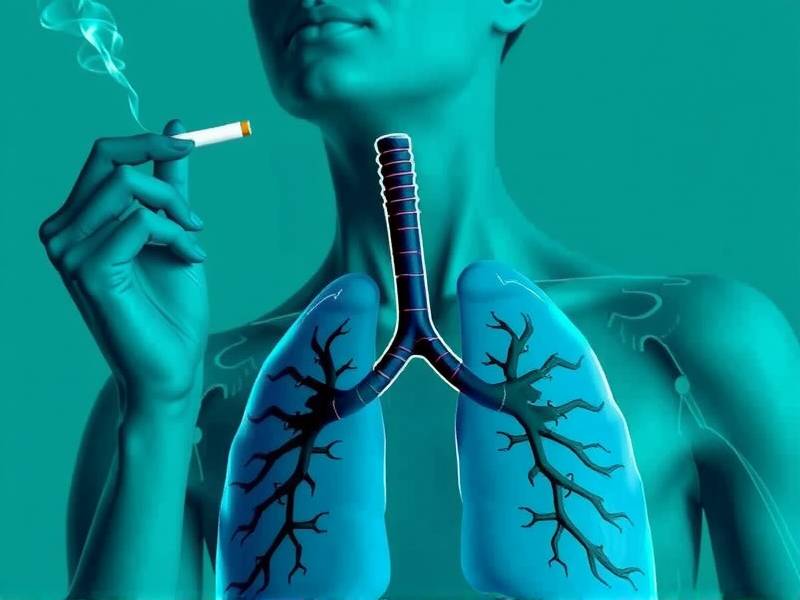
Chronic bronchitis is a form of chronic obstructive pulmonary disease (COPD), characterized by inflammation of the bronchi (airways) and excessive mucus production. This condition leads to persistent cough with mucus, shortness of breath, and other respiratory symptoms. While it can be caused by various factors, smoking is a leading cause of chronic bronchitis.
The Impact of Smoking on the Lungs
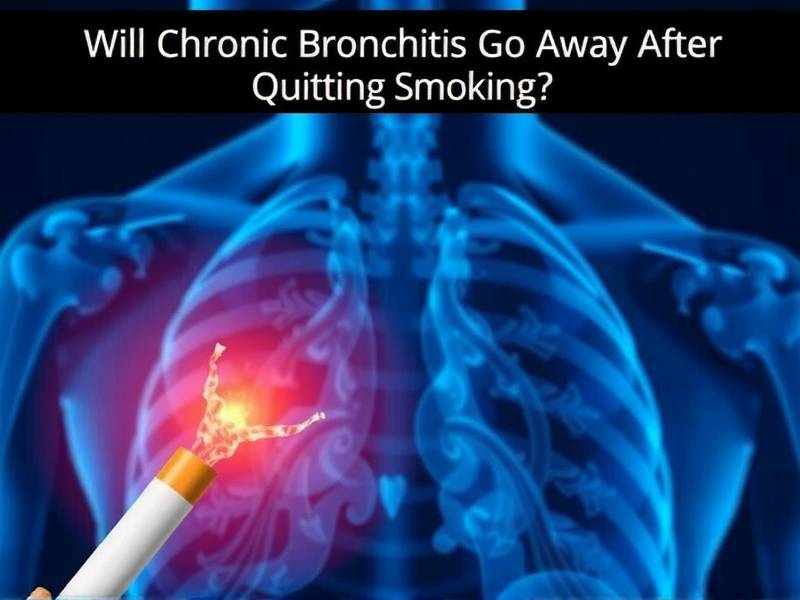
Smoking damages the delicate lining of the lungs, leading to inflammation and increased mucus production. Over time, this damage can worsen and lead to chronic conditions like chronic bronchitis. The toxic substances in cigarettes, such as tar and nicotine, further exacerbate lung damage.
The Path to Recovery: Quitting Smoking
Quitting smoking is crucial for individuals suffering from chronic bronchitis. As you stop smoking, your lungs begin to heal gradually. Here's how:
-
Reduced Inflammation: Within a few weeks after quitting smoking, your lungs start to reduce inflammation.
-
Improved Oxygen Supply: Within a few months after quitting, your oxygen levels improve as your blood vessels dilate.
-
Decreased Mucus Production: Over time, your lungs may produce less mucus as they heal.
-
Enhanced Lung Function: With continued abstinence from smoking, lung function can improve significantly.
Will Chronic Bronchitis Go Away?
While quitting smoking is essential for managing chronic bronchitis symptoms and preventing further damage to your lungs, it's important to note that complete recovery may not always be possible. The extent of recovery depends on various factors:
-
Severity of the Condition: Individuals with mild chronic bronchitis may experience significant improvement after quitting smoking.
-
Duration of Smoking: Those who have smoked for longer periods may face more challenges in recovering from lung damage.
-
Overall Health Status: Individuals with other health issues may experience slower recovery rates.
Seeking Professional Help
It's essential to consult with healthcare professionals for personalized advice on managing chronic bronchitis after quitting smoking. They can provide guidance on medication options, lifestyle changes, and support groups that can aid in your journey towards better health.
Conclusion
Quitting smoking is a critical step towards improving lung health and managing chronic bronchitis symptoms. While complete recovery may not always be achievable for everyone, taking this significant step can lead to improved quality of life and reduced risk of complications associated with this condition. Embrace the journey towards better health by seeking support from healthcare professionals and staying committed to a smoke-free lifestyle.