
Can Lungs Really Get Better After Quitting Smoking?
Introduction: The Quest for a Healthier Lung
When it comes to quitting smoking, one of the most compelling reasons is the promise of improved lung health. But can lungs truly get better after quitting smoking? Let's delve into this question and explore the science behind it.
The Immediate Impact: Healing Begins Quickly
Contrary to popular belief, the journey to healthier lungs starts almost immediately after you quit smoking. Within just 20 minutes of your last cigarette, your blood pressure and heart rate begin to drop, as does the carbon monoxide level in your blood. This is just the beginning.
A Month Later: Breathing Improves
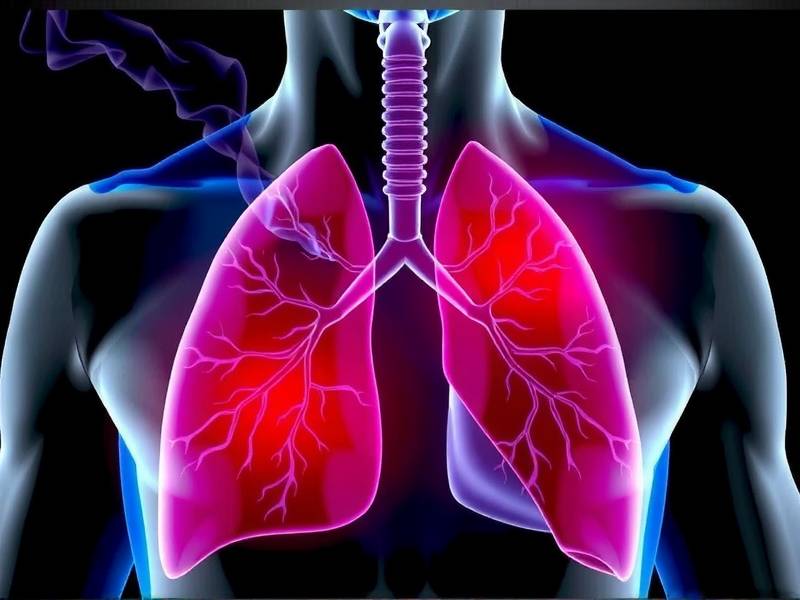
After about a month of not smoking, your lung function starts to improve. This is because your respiratory system begins to heal from the damage caused by years of smoking. You might find yourself taking deeper breaths and feeling more energetic.
One Year On: Reduced Risk of Chronic Conditions
One year after quitting, your risk of developing chronic obstructive pulmonary disease (COPD) decreases significantly. COPD is a progressive lung disease that makes breathing difficult, and smoking is a leading cause.
Five Years and Beyond: Continued Improvement
Five years after quitting, your risk of stroke drops by about 50%, and your risk of cancer decreases as well. Your lungs continue to heal, and you may notice further improvements in lung capacity and overall health.
The Role of Nutrition and Exercise
While quitting smoking is crucial for lung health, it's also important to support this process with healthy lifestyle choices. Good nutrition and regular exercise can help speed up recovery and further improve lung function.
Conclusion: A Path to Healthier Lungs
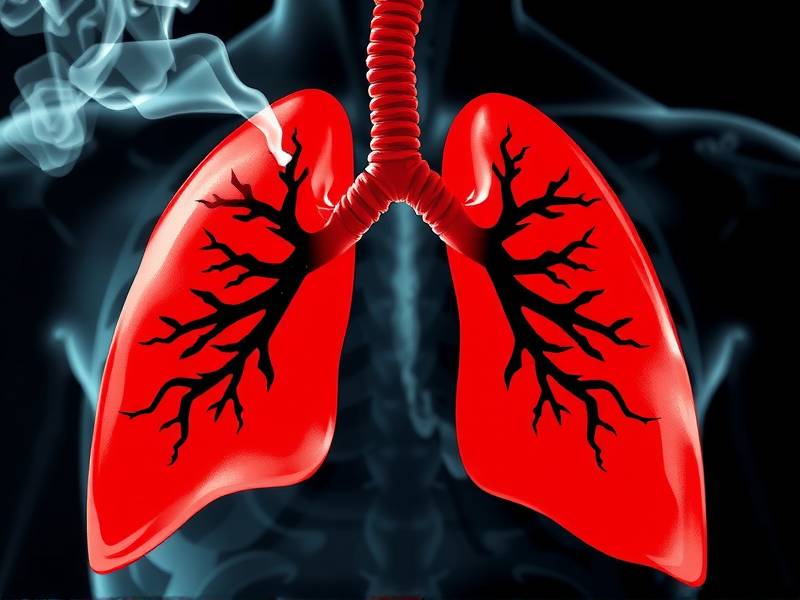
In conclusion, there's no doubt that lungs can really get better after quitting smoking. It's a journey that requires dedication but offers significant benefits for both physical health and quality of life. So if you're considering quitting or have already started, keep in mind that every puff counts—both for better or worse—and that there's always hope for healthier lungs ahead.