
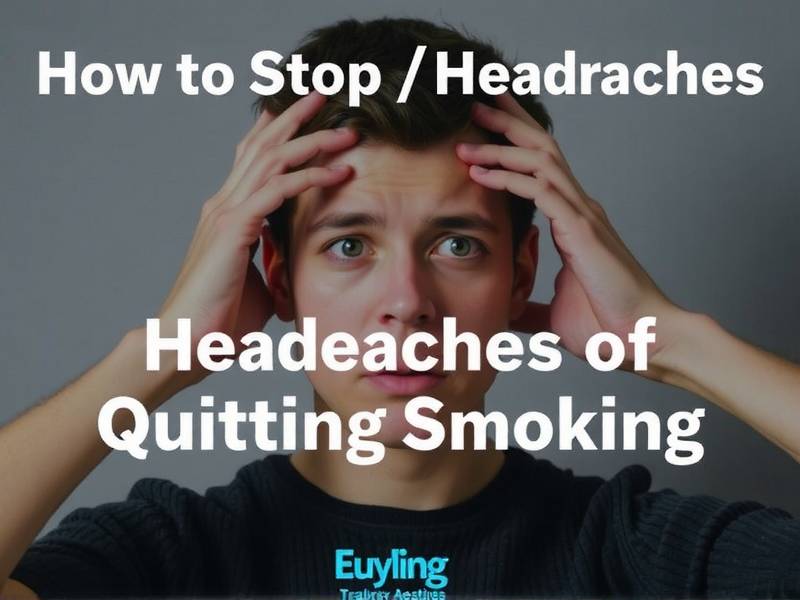
How to Stop the Headaches of Quitting Smoking
Navigating the Headache-Inducing Journey of Quitting Smoking
Introduction: Quitting smoking is a challenging endeavor, often accompanied by a myriad of physical and psychological symptoms. One of the most common issues faced by smokers during this journey is headaches. This article aims to provide you with practical strategies to alleviate the headaches associated with quitting smoking, making your journey to a smoke-free life smoother and more manageable.
Understanding the Connection Between Smoking and Headaches

Headaches can be a direct consequence of nicotine withdrawal, as nicotine is an addictive substance that affects the brain's chemistry. When you quit smoking, your body starts to adjust to the absence of nicotine, leading to various withdrawal symptoms, including headaches.
Strategies for Managing Headaches While Quitting Smoking
-
Gradual Reduction in Smoking Intake Gradually reducing your smoking frequency can help minimize withdrawal symptoms, including headaches. Start by cutting down on cigarettes per day or switch to lower-nicotine alternatives.
-
Stay Hydrated Dehydration can exacerbate headaches. Ensure you drink plenty of water throughout the day to stay hydrated and reduce headache intensity.
-
Maintain Regular Sleep Patterns Lack of sleep can trigger or worsen headaches. Establish a consistent sleep schedule and aim for 7-9 hours of quality sleep each night.
-
Engage in Physical Activity Regular exercise can help alleviate stress and tension, which often contribute to headaches. Engage in activities you enjoy, such as walking, cycling, or yoga.
-
Consider Over-the-Counter Pain Relievers Non-prescription pain relievers like ibuprofen or acetaminophen may help alleviate headache pain temporarily. However, it's essential to consult your healthcare provider before starting any new medication regimen.
-
Identify Triggers and Avoid Them Certain substances or situations may trigger headaches in some individuals. Identify potential triggers and take steps to avoid them during your quit journey.
-
Seek Support from Healthcare Professionals A healthcare professional can provide personalized advice and support tailored to your specific needs when quitting smoking.
-
Mindfulness Techniques Practices such as meditation or deep breathing exercises can help manage stress levels and reduce headache frequency.
Conclusion: Quitting smoking is a significant step towards better health; however, it's important to address potential challenges like headaches along the way. By implementing these strategies and seeking support when needed, you can navigate this headache-inducing journey more effectively and achieve long-term success in quitting smoking for good!