
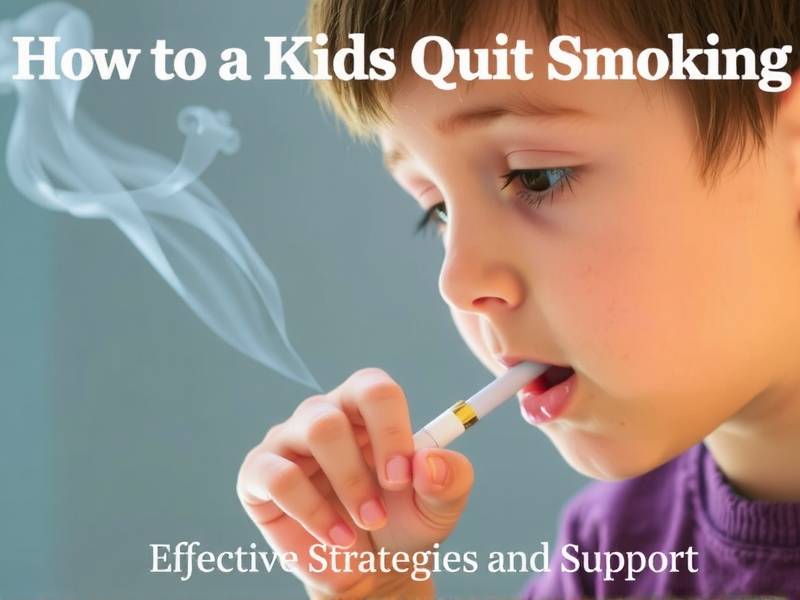
How to Help Kids Quit Smoking: Effective Strategies and Support
How to Help Kids Quit Smoking: Effective Strategies and Support
Introduction: The prevalence of smoking among young people is a growing concern for parents, educators, and health professionals. Quitting smoking at a young age is crucial in preventing long-term health issues and fostering a healthier lifestyle. This article outlines effective strategies and support mechanisms to help kids quit smoking.
Understanding the Challenges
-
Identifying the Signs
- Recognize the signs of smoking among teenagers, such as unusual coughing, bad breath, or changes in behavior.
-
Addressing Underlying Causes

- Understand that peer pressure, curiosity, and stress are common triggers for smoking initiation. Address these underlying factors to prevent relapse.
Effective Strategies
-
Open Communication
- Establish an open line of communication with your child to discuss the dangers of smoking and the importance of quitting.
-
Setting Clear Expectations
- Make it clear that smoking is unacceptable within your family. Set rules and consequences for breaking these rules.
-
Encouraging Alternative Activities
- Provide alternative activities that can replace smoking as a stress reliever or social activity, such as sports, hobbies, or community service.
-
Using Nicotine Replacement Therapy (NRT)
- Consider using NRT products like nicotine gum or patches under medical supervision to help manage withdrawal symptoms.
-
Seeking Professional Help
- Encourage your child to seek professional support from a therapist or counselor specializing in addiction treatment.
Support Mechanisms
-
Family Support
- Involve other family members in supporting your child's decision to quit smoking. Offer encouragement and celebrate milestones together.
-
Peer Support Groups
- Encourage your child to join peer support groups where they can share experiences and receive guidance from others who have successfully quit smoking.
-
Educational Resources
- Provide educational materials on the health risks associated with smoking and the benefits of quitting.
Conclusion: Helping kids quit smoking requires a combination of understanding their challenges, employing effective strategies, and offering ongoing support. By providing love, guidance, and resources, we can empower our youth to make healthier choices for their future well-being.