
How to Heal Your Lungs After You Quit Smoking: A Guide to Better Health and Well-being
How to Heal Your Lungs After You Quit Smoking: A Guide to Better Health and Well-being
Introduction: Quitting smoking is a significant step towards improving your health and well-being. However, the journey doesn't end there. Your lungs may have sustained damage over time, and it's essential to take proactive measures to heal them. This guide will provide you with valuable insights on how to nurture your lungs post-quit, leading to a healthier life.
Understanding Lung Damage from Smoking
The Reality of Smoking-Induced Lung Damage Smoking causes chronic inflammation in the lungs, leading to various respiratory issues such as chronic bronchitis and emphysema. The harmful chemicals in cigarettes damage the alveoli—air sacs responsible for oxygen exchange.
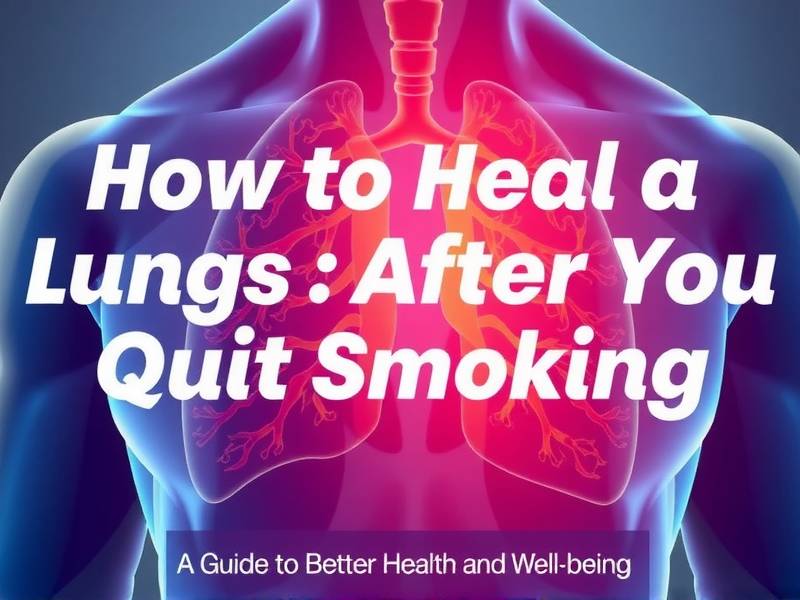
Immediate Benefits of Quitting Within days of quitting, your body starts repairing itself. Carbon monoxide levels drop, and your heart rate and blood pressure begin to stabilize. Over time, these improvements can lead to a decrease in the risk of lung cancer.
Steps to Heal Your Lungs Post-Quit
1. Deep Breathing Exercises
Incorporate deep breathing exercises into your daily routine. These can help expand your lungs and improve oxygen flow.
Pursed Lip Breathing Technique
- Inhale slowly through your nose.
- Pucker your lips as if you are whistling.
- Exhale through pursed lips slowly for twice as long as you inhale.
2. Regular Physical Activity
Exercise increases lung capacity and strengthens the respiratory muscles. Activities like walking, swimming, or cycling are excellent choices.
Why It Works Physical activity enhances blood circulation, which aids in healing damaged lung tissue.
3. Avoid Exposure to Pollutants
Pollutants such as dust, smoke from other sources, and air pollution can exacerbate lung damage.
Protective Measures
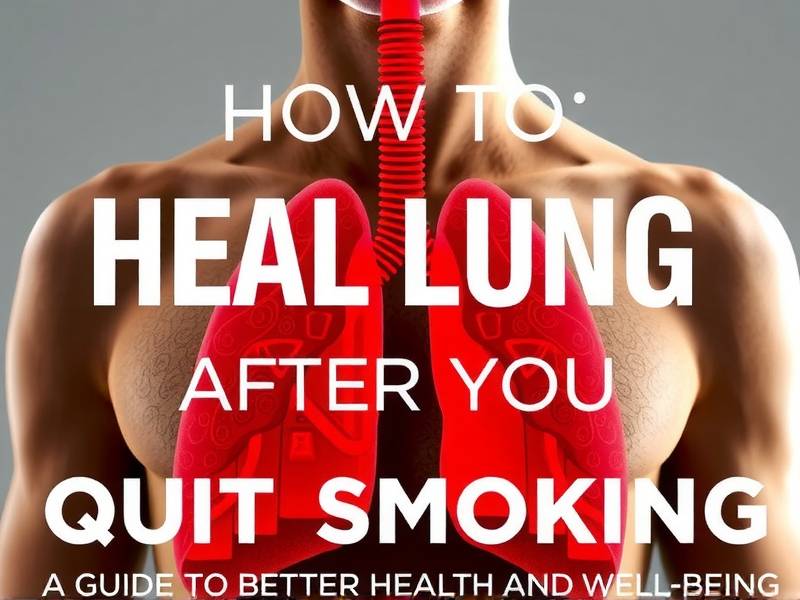
- Use air purifiers at home.
- Avoid high-pollution areas when possible.
- Wear masks during intense exercise outdoors.
4. Maintain a Healthy Diet
A balanced diet rich in antioxidants can support lung healing.
Nutrients That Help
- Vitamin C found in oranges and strawberries.
- Vitamin E found in nuts and seeds.
- Omega-3 fatty acids found in fish oil supplements.
5. Stay Hydrated
Drinking plenty of water helps thin mucus in the lungs, making it easier to expel.
How Much Water? Aim for at least eight glasses a day unless advised otherwise by a healthcare professional.
Monitoring Progress
Regular Check-Ups Schedule regular appointments with your healthcare provider to monitor your lung function through spirometry tests.
At-Home Monitoring Tools Consider using at-home spirometry devices if recommended by your doctor for ongoing monitoring at home.
Conclusion: Healing your lungs after quitting smoking is a gradual process that requires patience and commitment. By incorporating these steps into your lifestyle, you can significantly improve your lung health and overall well-being. Remember that every puff you don't take is one step closer to healthier lungs. Take control of your health today!