
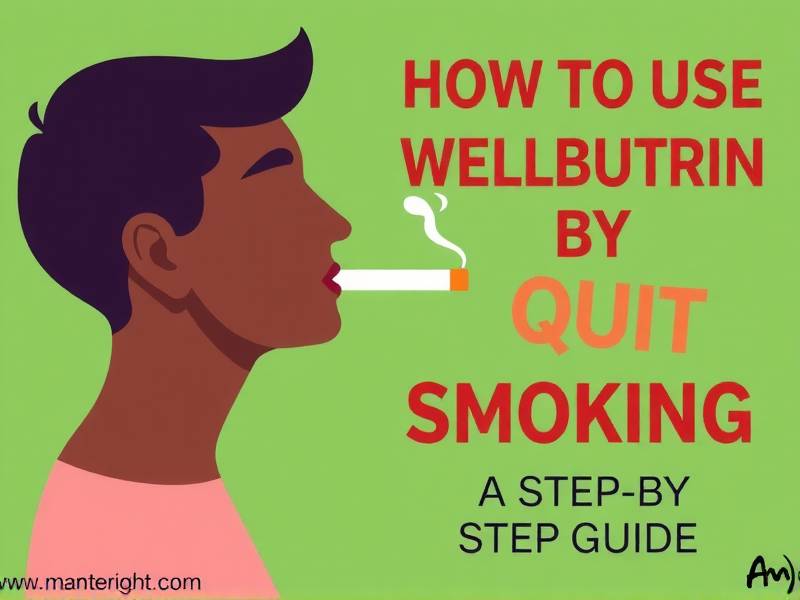
How to Use Wellbutrin to Quit Smoking: A Step-by-Step Guide
Quitting smoking is a challenging endeavor, but with the right tools and support, it can be achieved. One such tool is Wellbutrin, an FDA-approved medication designed to help smokers kick the habit. In this comprehensive guide, we will explore how to use Wellbutrin effectively and safely to quit smoking.
Understanding Wellbutrin
Wellbutrin, also known as bupropion, is an antidepressant that has been found to be effective in reducing nicotine cravings and withdrawal symptoms. It works by increasing the levels of neurotransmitters like dopamine and norepinephrine in the brain, which are responsible for mood regulation and pleasure.
Step 1: Consult Your Healthcare Provider
Before starting any new medication, it's crucial to consult with your healthcare provider. They can assess your overall health and determine if Wellbutrin is suitable for you. They will also discuss potential side effects and how to manage them.
Step 2: Choose the Right Dosage
Wellbutrin comes in two forms: tablets and extended-release tablets. The dosage typically starts at 150 mg once daily, taken in the morning. Your healthcare provider may adjust this dosage based on your response to the medication.
Step 3: Gradually Reduce Nicotine Intake
To maximize the effectiveness of Wellbutrin, it's recommended to gradually reduce your nicotine intake. This can be done by switching from cigarettes to nicotine gum or patches while taking Wellbutrin. The goal is to eventually stop using all nicotine products.
Step 4: Create a Support System
Quitting smoking is easier when you have support from friends, family, or a support group. Consider joining a local or online support group where you can share your experiences and receive encouragement from others who are going through the same journey.
Step 5: Track Your Progress
Keep a journal of your smoking habits and any challenges you face while taking Wellbutrin. This will help you stay motivated and make adjustments as needed. Celebrate small victories along the way to stay positive.

Step 6: Manage Side Effects
Wellbutrin may cause side effects such as dry mouth, insomnia, headache, or dizziness. Most side effects are mild and tend to improve over time as your body adjusts to the medication. If side effects persist or worsen, contact your healthcare provider for guidance.
Step 7: Stay Committed
Quitting smoking requires dedication and persistence. Remember why you started this journey and stay focused on your goal. Celebrate milestones along the way and don't be discouraged by setbacks.
Conclusion
Using Wellbutrin as part of a comprehensive quit-smoking plan can significantly increase your chances of success. By following these steps and seeking support from loved ones or professionals, you can overcome the challenges of quitting smoking for good.
Remember that quitting smoking is a personal journey with unique obstacles. Be patient with yourself as you navigate this process, and don't hesitate to reach out for help when needed. With determination and perseverance, you can break free from the chains of nicotine addiction once and for all!