
Can Quitting Smoking During Pregnancy Really Cause Miscarriage? A Comprehensive Guide
Can Quitting Smoking During Pregnancy Really Cause Miscarriage? A Comprehensive Guide
Introduction: Pregnancy is a delicate time for expectant mothers, and the health of both the mother and the baby is of utmost importance. One common concern among pregnant smokers is whether quitting smoking can lead to miscarriage. This comprehensive guide aims to address this concern, providing you with reliable information and expert opinions to help you make an informed decision.
Section 1: Understanding the Link Between Smoking and Miscarriage Subheading: What's the Connection?

Miscarriage, also known as spontaneous abortion, occurs when a pregnancy ends before 20 weeks. Several factors can contribute to miscarriage, including chromosomal abnormalities in the fetus, genetic issues in the parents, or environmental factors. One of these environmental factors is smoking.
Research has shown that smoking during pregnancy increases the risk of miscarriage. The chemicals present in cigarettes can harm the developing fetus and affect its growth. However, it's essential to differentiate between smoking and quitting smoking during pregnancy when discussing miscarriage risk.
Section 2: The Benefits of Quitting Smoking During Pregnancy Subheading: Why Should You Consider Quitting?
Quitting smoking during pregnancy offers numerous benefits for both you and your baby. Some of these benefits include:
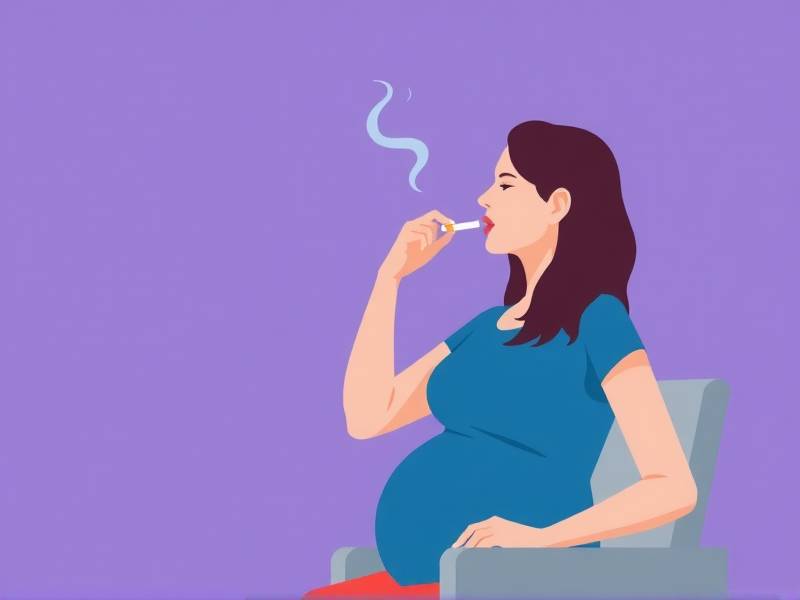
- Reduced Risk of Miscarriage: Studies have shown that women who quit smoking during pregnancy have a lower risk of experiencing a miscarriage compared to those who continue smoking.
- Improved Fetal Development: Smoking can cause various complications during pregnancy, such as low birth weight, preterm labor, and developmental issues. Quitting smoking can help reduce these risks.
- Enhanced Maternal Health: Quitting smoking improves your overall health and reduces your chances of developing complications like gestational diabetes or preeclampsia.
Section 3: How to Quit Smoking During Pregnancy Subheading: Strategies for Success
Quitting smoking during pregnancy can be challenging; however, there are various strategies that can help you succeed:
- Seek Support: Talk to your healthcare provider about available resources such as counseling, nicotine replacement therapy (NRT), or prescription medications.
- Set Realistic Goals: Break down your quit goal into smaller milestones to make it more manageable.
- Identify Triggers: Recognize situations that may trigger your urge to smoke and plan how you'll cope with them.
- Stay Motivated: Keep reminding yourself why you want to quit – for your baby's health and your own well-being.
Section 4: The Importance of Professional Guidance Subheading: Don't Go It Alone
It's crucial to seek professional guidance when quitting smoking during pregnancy. Your healthcare provider can offer personalized advice based on your specific situation and needs.
Conclusion: While there's a common belief that quitting smoking during pregnancy might increase the risk of miscarriage, research suggests otherwise. The benefits of quitting far outweigh any potential risks associated with nicotine withdrawal or other aspects of quitting during pregnancy.
By seeking support from healthcare professionals and utilizing effective strategies for quitting smoking, expectant mothers can improve their chances of having a healthy pregnancy and delivery. Remember that it's never too late to quit – even if you're already pregnant, making this positive change can significantly impact both you and your baby's future health.
For more information on quitting smoking during pregnancy or related topics, please consult reputable sources such as:
- American College of Obstetricians and Gynecologists (ACOG)
- Centers for Disease Control and Prevention (CDC)
- American Society of Addiction Medicine (ASAM)