
Why Do Lungs Hurt When You Quit Smoking?
The Ache in Your Lungs: Understanding the Pain When You Quit Smoking
Introduction: Quitting smoking is a significant decision that can lead to numerous health benefits. However, it's not uncommon to experience discomfort, including aching lungs, during the process. This article aims to explore why lungs hurt when you quit smoking and shed light on the physiological changes happening within your body.
-
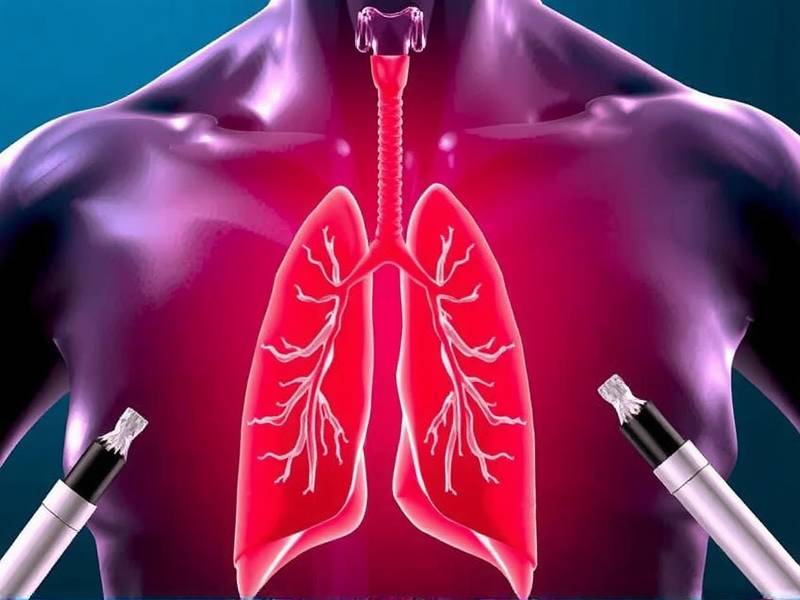
The Role of Nicotine in Lung Function Nicotine, the primary addictive substance in tobacco, affects lung function by causing constriction of the airways. When you quit smoking, this constriction begins to relax, allowing for improved airflow and lung capacity. However, during this transition period, your body may react with discomfort as it adjusts to the new state of relaxed airways.
-
Detoxification Process When you stop smoking, your body starts detoxifying itself from nicotine and other harmful chemicals present in tobacco. This detoxification process can cause inflammation and irritation in various parts of your body, including the lungs. As a result, you may experience pain or discomfort in your chest area.
-
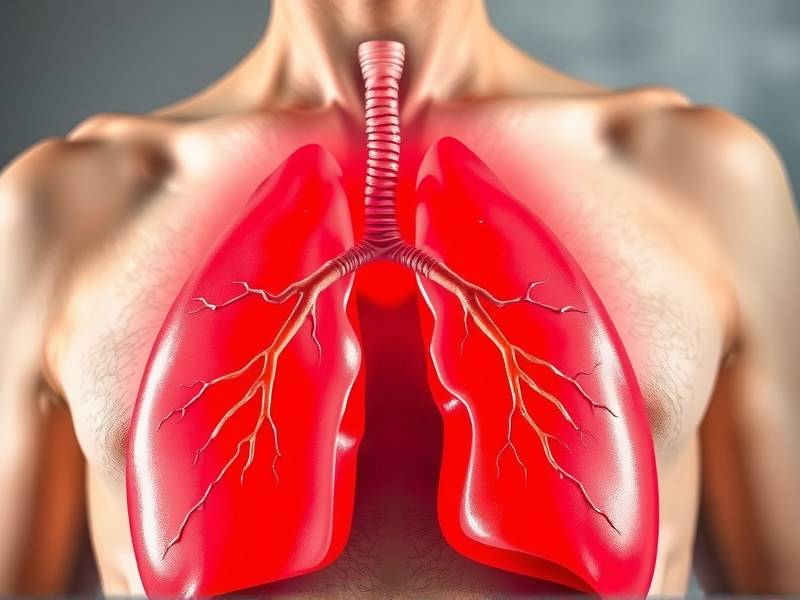
Coughing and Phlegm Production One common symptom experienced when quitting smoking is an increase in coughing and production of phlegm. This is due to the accumulation of mucus that has been trapped in your airways for years due to smoking. As you quit smoking, your body tries to expel this mucus through coughing, leading to temporary discomfort.
-
Healing Injuries Caused by Smoking Smoking causes damage to lung tissue over time. When you quit smoking, your body begins repairing these injuries by producing new cells and removing damaged ones. This healing process can sometimes result in pain or soreness within the lungs.
-
Stress and Anxiety Quitting smoking can also lead to increased stress and anxiety levels due to withdrawal symptoms like irritability or restlessness. Stress can exacerbate the sensation of pain or discomfort experienced in the lungs during this transition period.
-
Managing Lung Pain While Quitting Smoking To alleviate lung pain while quitting smoking:
- Stay hydrated by drinking plenty of water.
- Practice deep breathing exercises to improve lung capacity.
- Engage in physical activities that promote lung health.
- Seek support from friends, family, or support groups.
- Consider seeking medical advice if pain persists or worsens.
Conclusion: Understanding why lungs hurt when you quit smoking can help ease concerns about this temporary discomfort. By recognizing that it's a part of the healing process and taking steps to manage it effectively, you'll be one step closer to achieving a healthier lifestyle without tobacco烟雾的困扰。